Discover why Foshan, China, is the world's furniture capital. Learn about the supply chains, high-end markets like Louvre, and how to source luxury pieces.
Foshan is the world's furniture capital because it hosts a complete, hyper-concentrated ecosystem of designers, specialized component manufacturers, and massive logistics hubs. By sourcing here, you access the same high-end production used by global luxury brands like Minotti or Roche Bobois, but at direct-from-source pricing. SVIKARR helps you navigate this massive landscape, ensuring your custom specifications are met and your investment is protected from the ground up.
Why is Foshan the center of the furniture industry?
Foshan's dominance is the result of decades of industrial clustering where every single component, from Blum hinges to specialized Italian leathers, is available within a short drive. It isn't just one large market; it is a massive network of specialized zones for furniture, ceramics, lighting, and building materials.
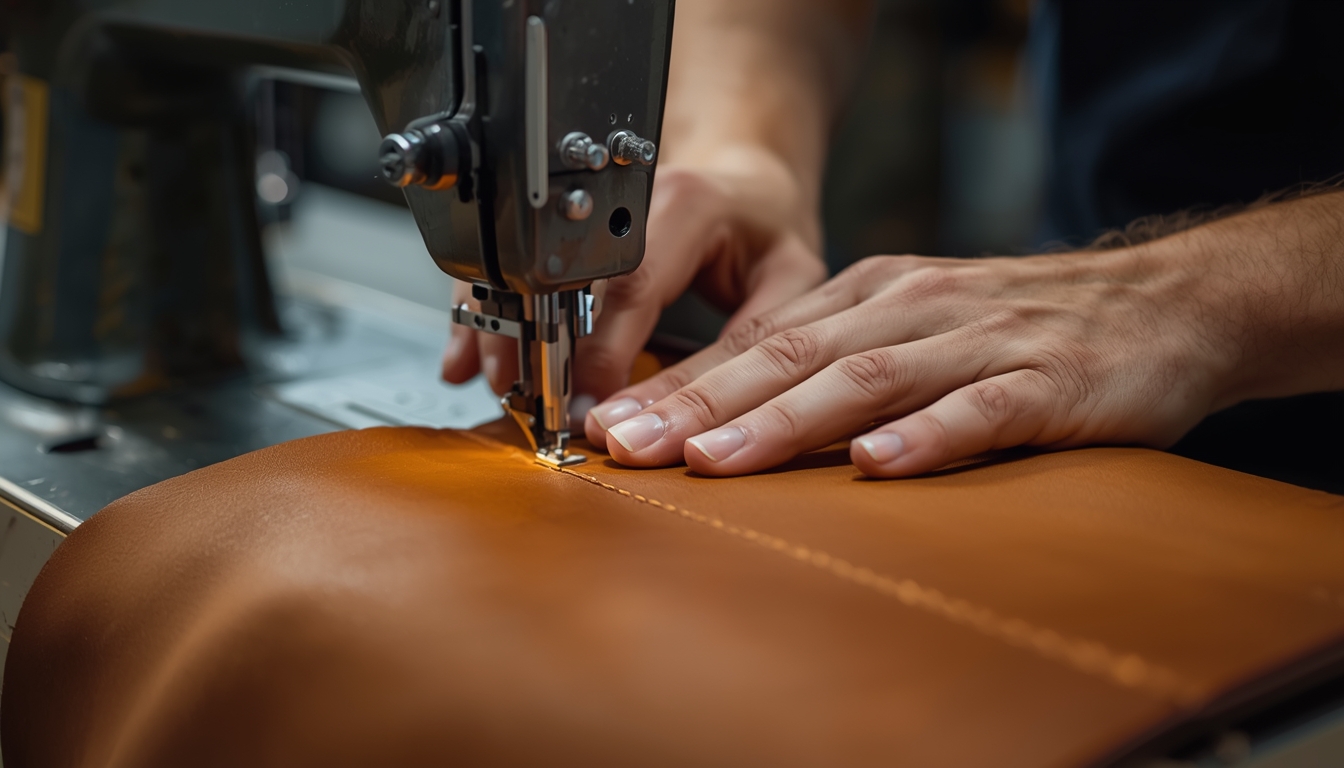
This "cluster effect" means that if a designer wants a sofa with a specific marble base, a specific grade of foam, and a specific brand of Italian fabric, the manufacturers in Foshan don't have to wait weeks for parts. The suppliers are often located in the same district or even the same street. This proximity reduces lead times and allows for much tighter quality control during the assembly process.
When we walk through the different districts, we see how the industry is tiered. You have the ultra-luxury showrooms in Lecong designed for architects and designers to pick finishes, and then you have the massive factory zones in Jiujiang or Shunde where the actual heavy lifting happens. This allows a buyer to follow a logical path: find the aesthetic inspiration at a high-end mall, then move to a specialized factory to execute that design at a more efficient price point.
Where should I go to see luxury furniture in Foshan?
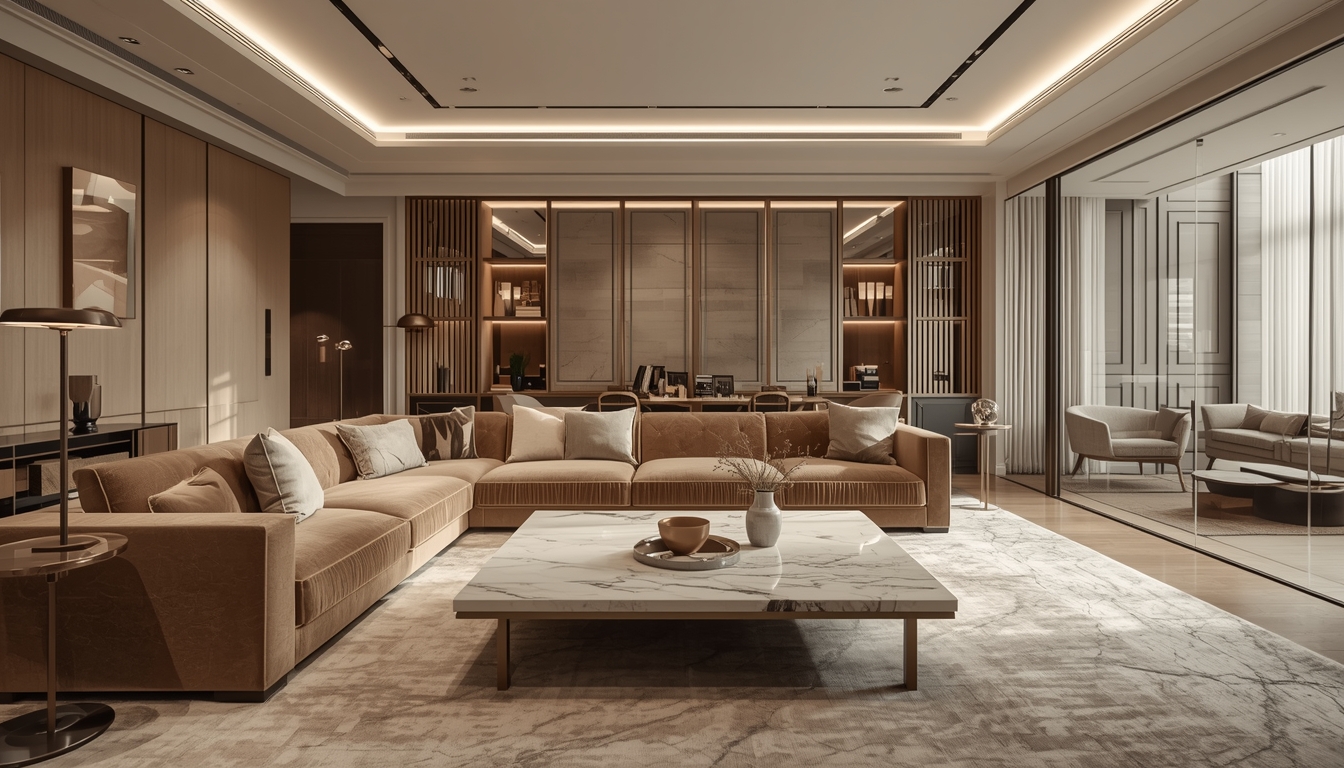
The choice of market depends entirely on your budget and whether you are looking for "off-the-shelf" designer styles or custom-made pieces. For the highest tier of luxury, the Louvre Furniture Mall in Lecong is the undisputed destination.
| Market Tier | Primary Location | Best For | Typical Price Point (Example) |
|---|---|---|---|
| Ultra-Luxury | Louvre (Lecong) | Patented designs, high-end brands, immediate inspiration | Above ¥30,000 per piece |
| High-End / Mid-Luxury | Sunlink North | High quality, reliable brands, customized sizing | From ¥8,000 for sofas/beds |
| High-End / Value | Empire | High quality at slightly more competitive prices | Competitive mid-to-high range |
| Budget to Mid-Range | Sunlink South | Finding hidden gems, budget-conscious projects | Variable; requires careful vetting |
If you are furnishing an 8 to 25-room estate, we often recommend a hybrid strategy. We might visit the Louvre to finalize the "look and feel" for your main living areas, then head to Sunlink North or a specialized factory on Jiujiang Avenue to replicate that quality for bedrooms or secondary suites. This prevents you from paying the massive showroom markups found in the ultra-luxury malls while maintaining the same standard of construction.
How does the lighting and ceramics industry fit in?
Foshan's strength extends far beyond just wood and upholstery; it is a complete "one-stop" destination for entire home builds. The city is globally significant for ceramics and lighting, which are essential for the high-end, turnkey projects our clients typically manage.
For lighting, Guzhen is the lighting capital of China and is located only about an hour's drive from the Foshan furniture markets. While Foshan's own lighting city offers hundreds of chandelier designs ranging from ¥2,000 to ¥70,000, Guzhen offers a deeper level of specialized manufacturing. For a $5 million home, having your lighting, flooring, and furniture sourced from this single geographic corridor significantly reduces the logistical headache of coordinating multiple international shipments.
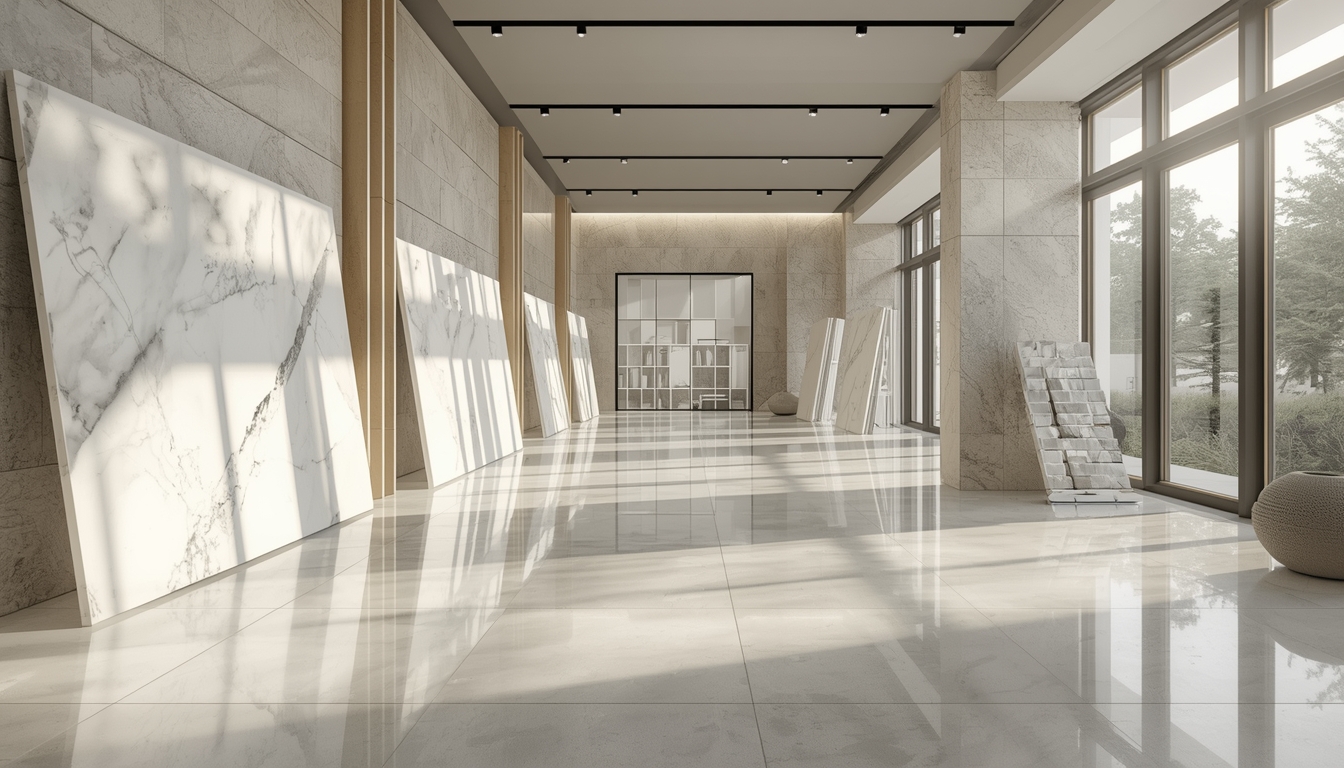
Similarly, the ceramics industry in Foshan produces some of the world's most advanced large-format porcelain slabs. These are used globally to mimic natural stone like marble or travertine. Because the factories are local, you can inspect the firing quality and the edge finishing of the tiles before they are crated for export.
What should I watch out for regarding materials and quality?
The biggest risk in Foshan is the "sample-vs-bulk" trap, where a factory provides a beautiful prototype but uses inferior materials for the final production run. You must specify every detail in writing, from the density of the foam to the specific brand of hardware.
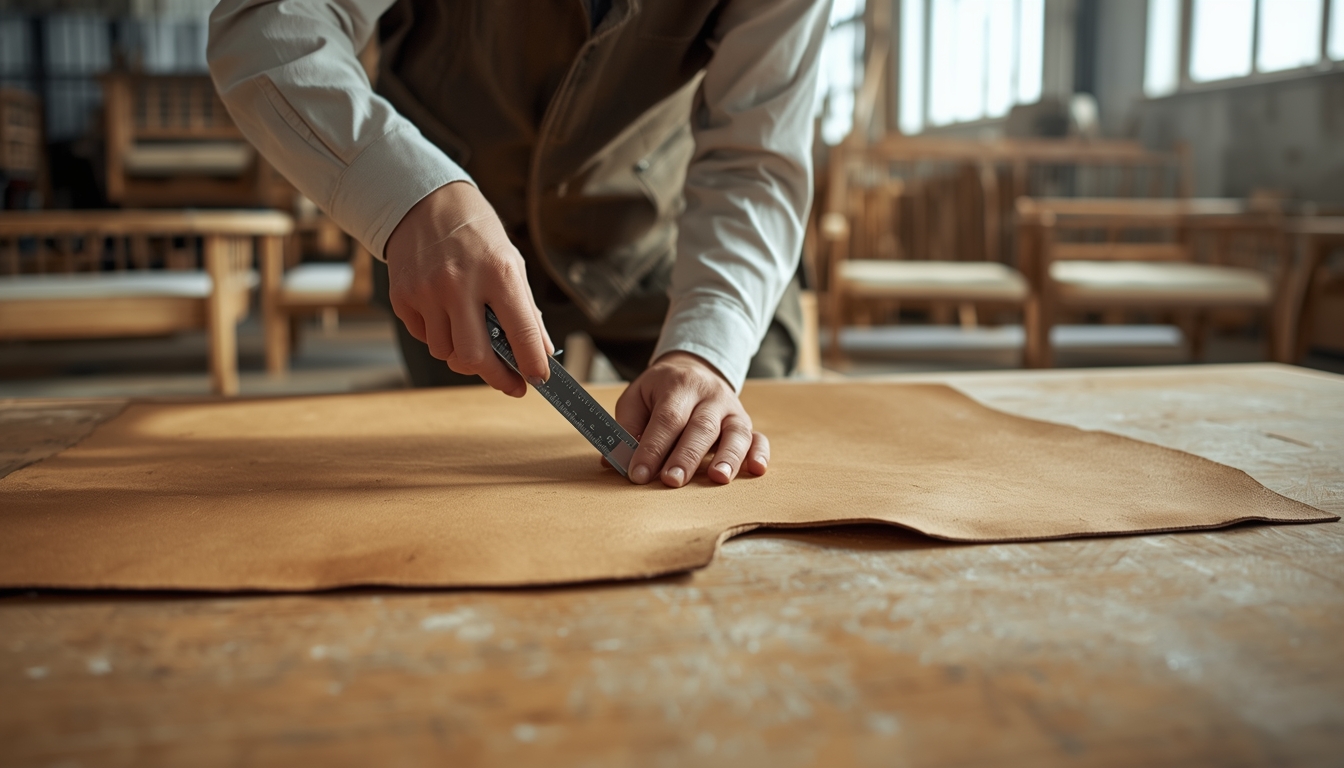
One of the most common issues we encounter is the misuse of the term "Italian leather." If a supplier offers "Italian leather" at a price that seems too good to be true, it is likely not genuine. Real Italian hides are premium products; they are typically 1.0 to 1.6 mm thick, and ultra-premium hides can reach 2 mm. They are sold by the hide, not by the metre. Full-grain leather is preferred because it hasn't been sanded down, meaning it retains its natural pores and ability to breathe.
We also see issues with "mould-fixed" furniture. Many high-end sofas use Italian-moulded frames. While this provides incredible comfort and shape retention, these pieces often cannot be easily resized if you need them to fit a specific custom nook in your home. Resizing these pieces is possible but often requires significant additional cost and engineering.
Always insist on a written specification that names the specific hardware brands (like Blum or Hafele) and the exact thickness of all materials, including plywood, MDF, and leather.
Is it worth the effort to source from Foshan?
For a single sofa or a small apartment, sourcing from Foshan is rarely worth the complexity of international shipping, tariffs, and logistics. However, for a full-scale luxury home build or a large-scale renovation, the cost savings and customization options are unparalleled.
When you are furnishing a project with a budget that represents up to 35% of a home's total value, the "designer retail markup" in the US or Australia can be astronomical. Most of the pieces in high-end showrooms in Los Angeles, Sydney, or London are actually manufactured in the Foshan/Guangdong region. By working with a local team that can visit the factories, inspect the goods during production, and manage the shipping, you are essentially removing the middleman.
Key takeaways
- Foshan's "industrial clustering" means all components and specialized factories are located within a small radius.
- The market is tiered: use Louvre for inspiration and Sunlink North/Empire for high-quality, fair-priced execution.
- Beware of "Italian leather" claims; genuine high-end leather is significantly more expensive and measured by the hide.
- Complete home sourcing (lighting from Guzhen, ceramics, and furniture) is possible within one geographic region.
- Customization is highly available, but "mould-fixed" items may have limitations on resizing.
Questions buyers ask
Is it better to buy from a mall or a factory?
Malls like Louvre are excellent for seeing finished designs and high-end finishes in a curated environment. Factories, especially those located 8-10 km outside the main markets, often offer the same or better quality at roughly 20% lower prices because you are cutting out the showroom overhead.
How long does the whole process take?
You should plan for a 3-to-4-month window for door-to-door delivery. This includes roughly 30-60 days for production, plus time for sea transit (2-4 weeks to the US West Coast or Australia) and customs clearance.
Do tariffs make buying from China a bad idea?
It depends on the specific product code. For example, as of October 2026, US Section 232 tariffs on upholstered wooden furniture and kitchen cabinets are at 25%, with scheduled increases in 2027. You must consult a licensed customs broker to understand the total duty for your specific items.
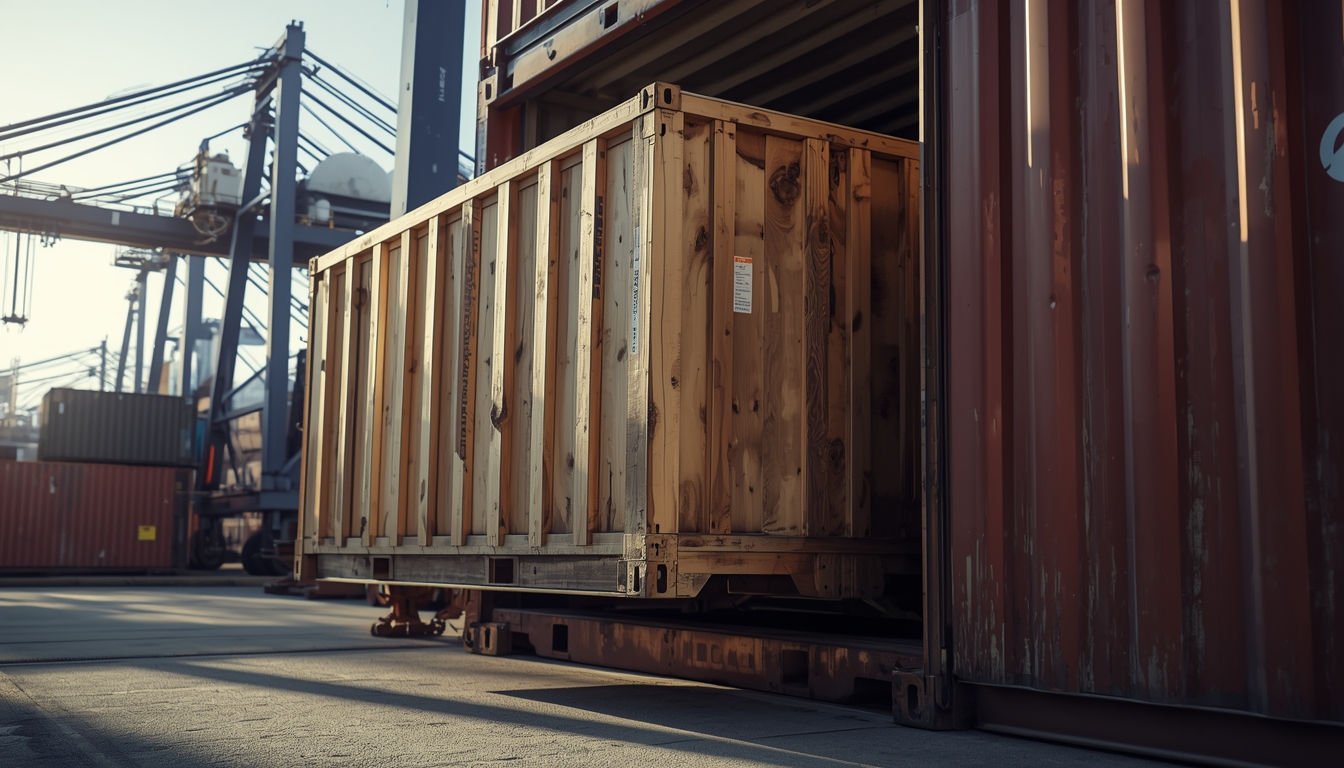
At SVIKARR, we act as your eyes and ears on the ground in Foshan. We visit the showrooms, write your technical specifications, inspect your goods before they are loaded into the container, and manage the entire journey to your doorstep.