Discover the history, martial arts, and craftsmanship behind Foshan, China. Learn why this manufacturing giant is rooted in deep Cantonese tradition.
Foshan is much more than a global manufacturing hub; it is a city where ancient martial arts, Cantonese opera, and centuries of craftsmanship converge to create a culture of precision and discipline. While we spend our days navigating furniture malls and inspecting factory production lines, understanding this heritage helps you appreciate the meticulous skill required to produce the high-end pieces you are sourcing. SVIKARR connects your design vision to this deep-rooted local expertise, ensuring your luxury interiors reflect both modern elegance and traditional quality.
Why is Foshan known for martial arts and Kung Fu?
Foshan is the historic birthplace of many legendary martial arts styles, most notably Hung Ga, which was popularized by the folk hero Wong Fei-hung. This martial heritage is not just for show; it represents a cultural obsession with discipline, form, and the mastery of physical tools.
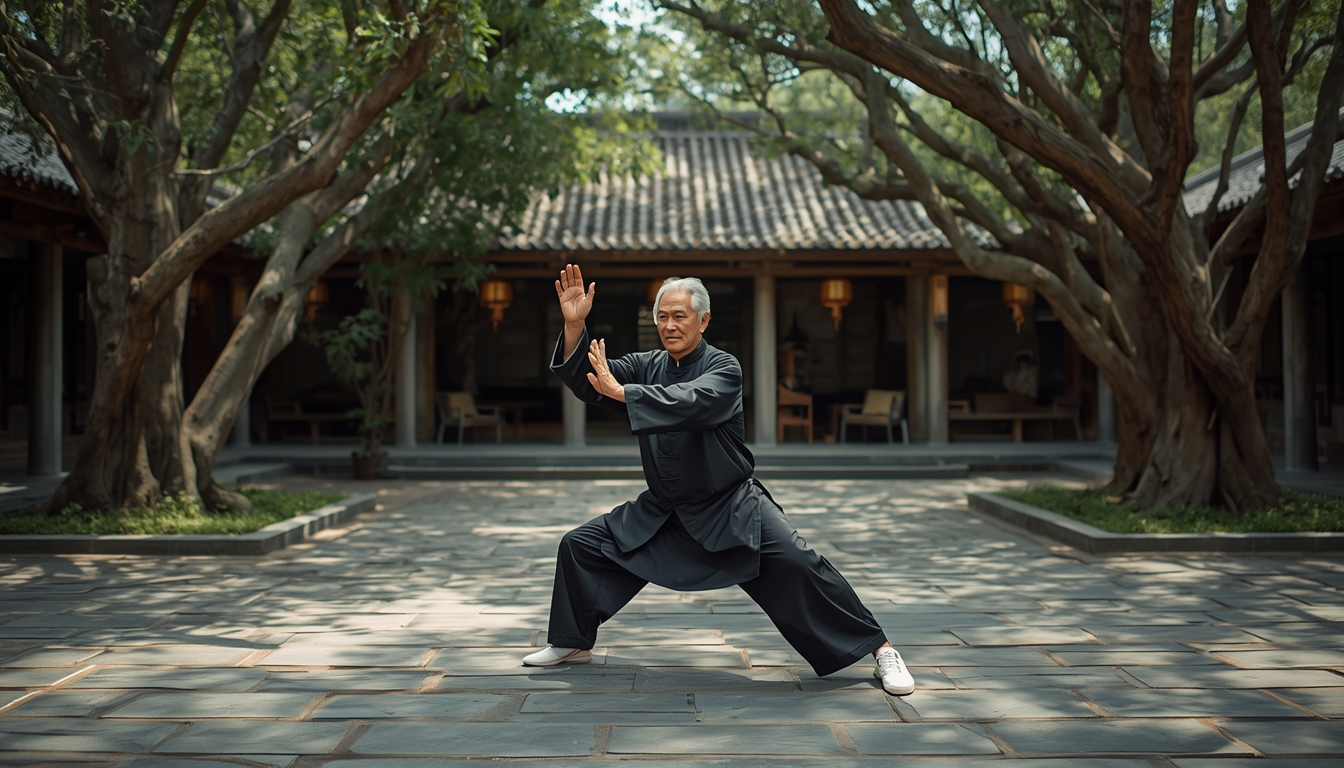
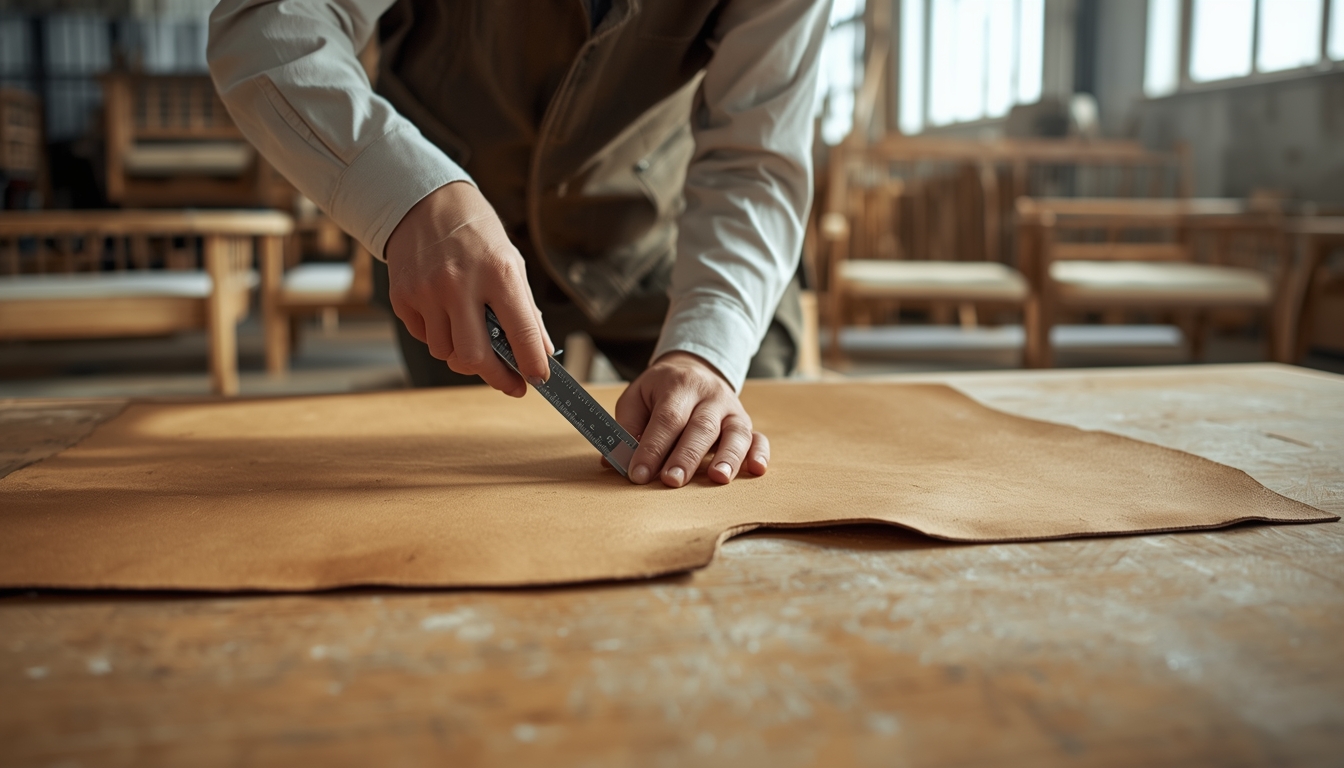
When you walk through the older districts, you can still find schools practicing these movements. This culture of "mastery through repetition" is exactly what we look for when we visit factories. A craftsman who has spent twenty years perfecting the joinery of a solid wood dining table shares the same DNA as a martial artist perfecting a strike. In Foshan, quality is not just a business metric; it is a matter of personal honor and lineage.
What is the significance of Cantonese Opera in the region?
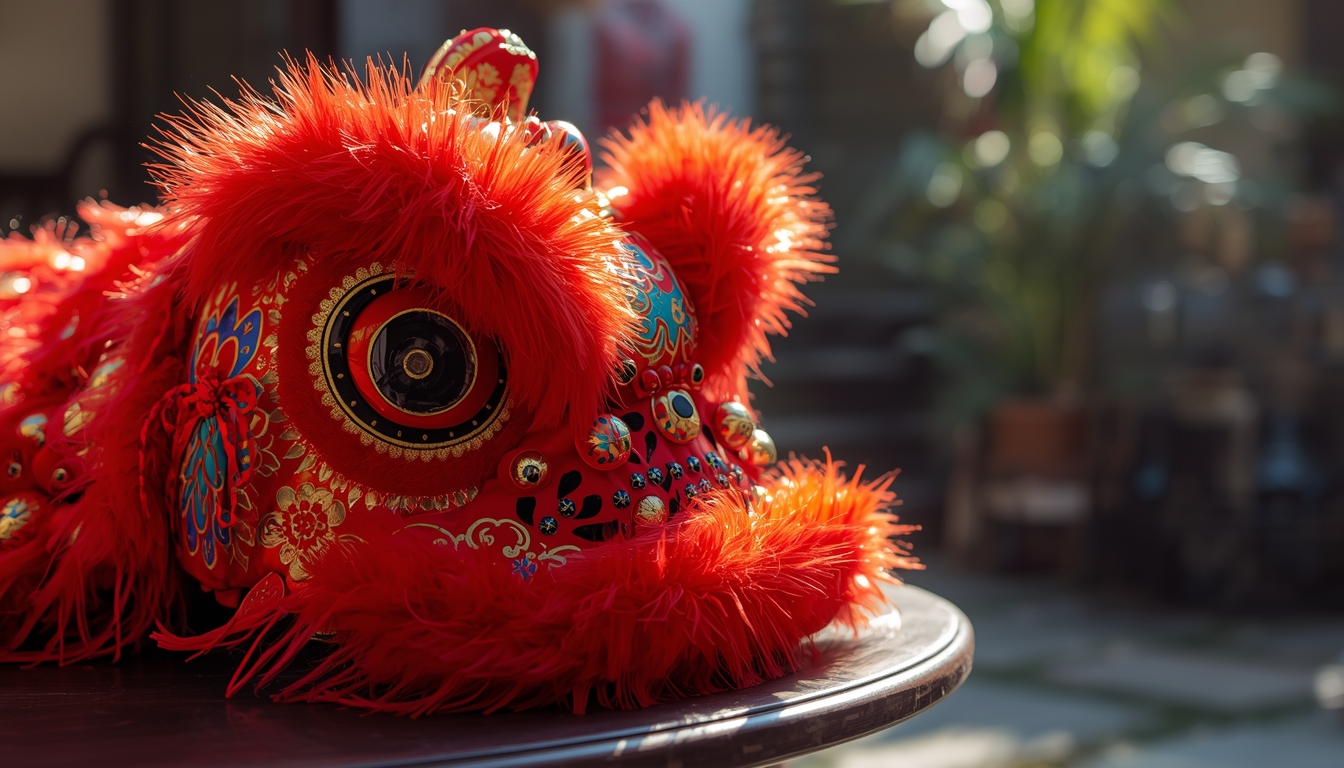
Cantonese Opera is the soul of Foshan's performing arts, characterized by its elaborate costumes, symbolic makeup, and high-pitched, melodic vocals. It has been a staple of local community life for centuries, often performed at temples and during major festivals to celebrate history and morality.
The precision required for Cantonese Opera is immense. The costumes involve heavy embroidery, intricate beadwork, and specific color palettes that denote character rank and emotion. We see this same attention to detail in the high-end textile and upholstery sectors in the Shunde and Lecong districts. When a designer asks for a specific shade of silk or a particular weight of velvet, they are tapping into a regional sensibility that has been refined by centuries of theatrical costume production.
How does the local food culture reflect Foshan's identity?
Foshan cuisine is a pillar of Cantonese gastronomy, focusing on the freshness of ingredients and the balance of textures. It is a culture of "wok hei" (the breath of the wok), where heat and timing must be perfect to extract the essence of the food without overpowering it.
For a buyer, this translates to a local understanding of material essence. Just as a chef knows exactly when to pull a seafood dish from the heat to preserve its texture, a master furniture maker in Foshan knows exactly how much lacquer to apply to a veneer to ensure it breathes and ages correctly. The local obsession with freshness and seasonal quality mirrors the discerning client's requirement for high-grade leathers and sustainably sourced timbers.
Why did Foshan become the world's furniture and ceramics capital?
Foshan's rise to global dominance was driven by its strategic location in the Pearl River Delta and a historical foundation in craftsmanship, particularly in ceramics and woodworking. The city leveraged its proximity to major ports and a massive, highly skilled labor pool to scale production from artisanal workshops to massive industrial clusters.

The evolution followed a specific pattern:
- The Artisan Era: Small workshops focused on high-quality ceramics and traditional furniture for local elites.
- The Industrial Shift: The development of specialized districts like Shunde and Lecong allowed for massive scaling.
- The Luxury Integration: The arrival of high-end brands and the ability to replicate "designer looks" (like Minotti or B&B Italia) at a fraction of the price.
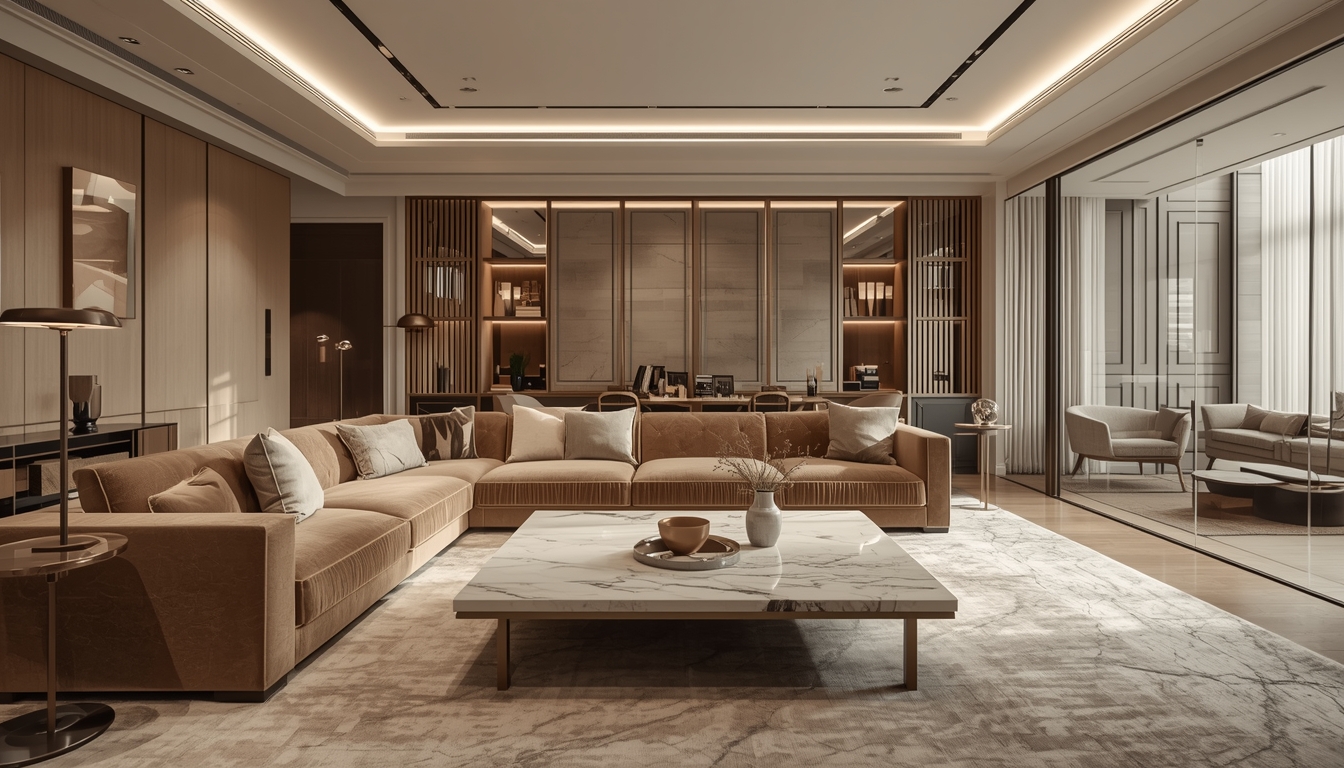
Today, you can walk through the Louvre mall in Lecong and see pieces that look like they belong in a Milanese penthouse, but they are being produced just a few kilometers away in specialized factories.
How do the different industry clusters compare?
Foshan is not one giant factory; it is a collection of highly specialized "micro-economies" that sit near each other.
| Industry Cluster | Primary Focus | Quality Tier | Typical Product |
|---|---|---|---|
| Lecong (Louvre) | Luxury Furniture | Ultra-High | Designer-style sofas |
| Shunde | Ceramics & Appliances | High | Large format tiles |
| Guzhen/Foshan | Lighting | Mid to High | Chandeliers & Lamps |
| Jiujiang Ave | Bespoke Furniture | Ultra-High | Custom beds & sofas |
Is it worth buying decor and lighting in Foshan?
Yes, if you are furnishing a whole home, because the scale of variety is unmatched anywhere else in the world. While you can find a single lamp in a boutique in London or New York, Foshan allows you to source an entire lighting scheme, from grand foyer chandeliers to subtle bedside pendants, that maintains a consistent design language and price point.
Our team often visits the lighting cities to ensure that the "gold" finish on a chandelier isn't a cheap spray paint that will flake off, but a high-quality electroplating that will last decades. We also recommend looking at the decor markets in Sunlink South, Block 2, Floor 2, for high-end wallpapers, carpets, and even indoor fountains.
If you are looking for ultra-luxury bespoke items, skip the general markets and head to the factories located 10-15 km outside the main malls, such as those on Jiujiang Avenue.
Key takeaways
- Foshan's culture of martial arts and opera fosters a regional respect for discipline and technical mastery.
- The city is divided into specialized clusters: Lecong for furniture, Shunde for ceramics, and nearby Guzhen for lighting.
- High-end "designer looks" are readily available, but quality depends on specifying materials like full-grain leather and specific hardware brands.
- Planning is essential; the scale of Foshan requires a structured approach to avoid "specification drift" where the final product differs from the sample.
Questions buyers ask
Can I find true "Italian style" in Foshan?
Yes, many factories in the Sunlink North and Louvre areas specialize in the aesthetic of brands like Roche Bobois or Minotti. However, "style" is easy, while "quality" is hard; you must specify the internal construction, such as kiln-dried hardwood frames and high-density foam, to ensure the piece lasts.
Is the quality consistent across all Foshan malls?
No, there is a massive spectrum. The Louvre mall is the ultra-luxury tier with patented designs and higher price points, while Sunlink South is more budget-to-mid-range. We recommend using the Louvre for inspiration and then finding the equivalent quality at Sunlink North or directly at a factory.
Does the local culture affect the manufacturing?
Indirectly, yes. The deep-rooted history of craftsmanship in ceramics and woodworking means there is a massive pool of workers who have grown up in families of makers, leading to a level of technical "know-how" that is difficult to replicate in newer industrial zones.
SVIKARR acts as your eyes and ears on the ground in Foshan, visiting these specific districts and factories to ensure the discipline of the craftsman matches the requirements of your design. We handle the technical specifications, the inspections, and the logistics so you can focus on the vision of your home.