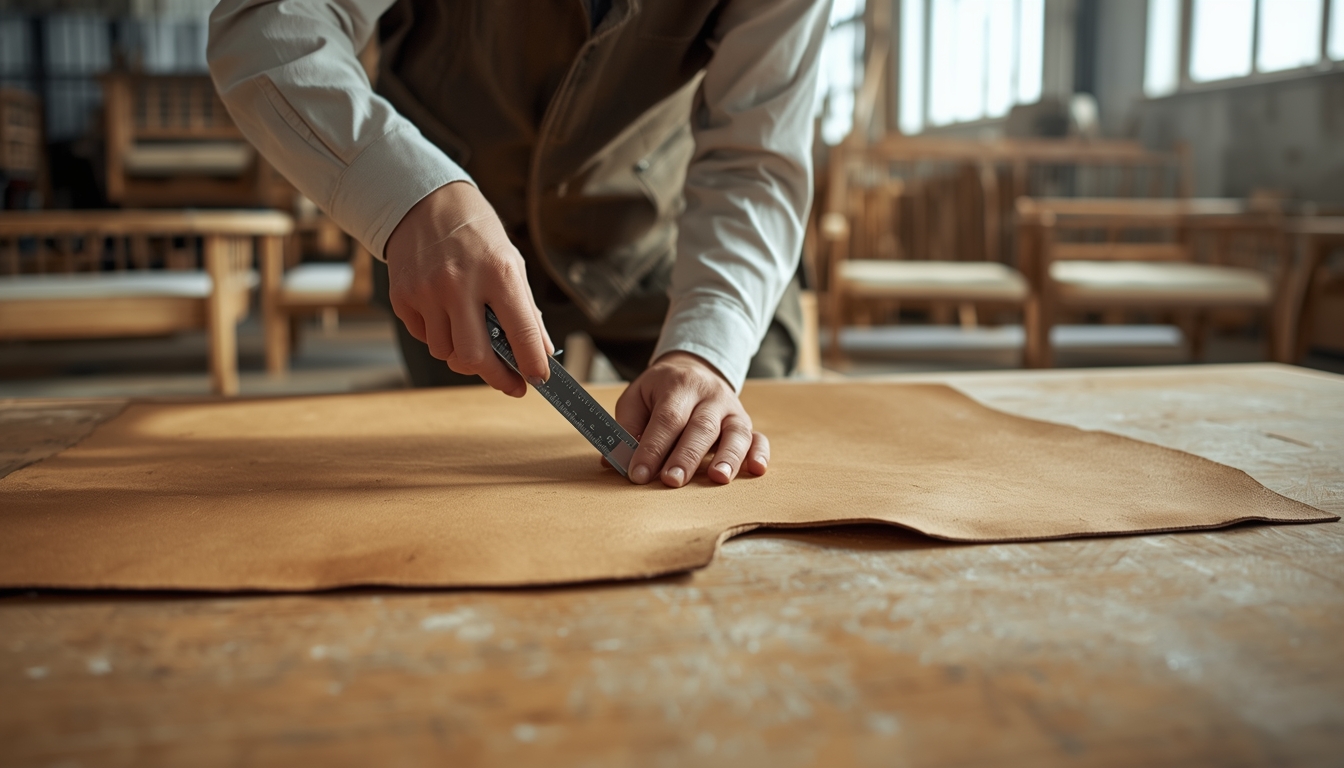
Learn how to manage furniture and building material imports from China. Understand trade rules, quality standards, and shipping shifts for your projects.
Buying furniture and building materials directly from China can feel like stepping into a different world. The scale of the markets in cities like Foshan is immense, offering endless variety but also complex layers of rules and logistics.
In this guide, we will explain the moving parts of the import process. You will learn about trade regulations, quality control, and why the way you source materials needs to evolve as global markets change.
Understanding trade rules and duties
When you import goods like sofas, lighting, or ceramic tiles, you are not just paying the factory. You are also dealing with the regulations of your home country. Trade rules are not static; they are subject to change based on government policies and international relations.

Anti-dumping duties are a common factor in the building materials industry. These are extra taxes applied to specific products, such as certain types of stone or aluminum, if a government decides those goods are being sold at unfairly low prices. Because these rules can change without much warning, it is vital to stay informed.
It is important to remember that no one can promise a fixed duty rate for the long term. Rates depend on the specific material composition, the country of origin, and the current legal landscape. We always recommend checking with a licensed customs broker or our team before finalizing your budget to ensure you have the most current information for your specific product category.
The shift in quality and technical standards
In the past, many buyers focused solely on the visual appearance of a piece of furniture. Today, the focus has shifted toward technical compliance and sustainability. If you are importing sanitaryware, windows, or doors, "looking good" is only half the battle.
Compliance checklists
- Material certifications: Ensure stones and tiles meet slip-resistance and durability standards for your specific region.
- Electrical safety: Lighting fixtures must meet the specific voltage and plug requirements of your country.
- Structural integrity: Windows and doors must be tested for wind loads and thermal insulation if they are being used in specific climates.
- Chemical safety: Check that fabrics, paints, and glues used in furniture meet local indoor air quality regulations.
"A beautiful sofa is a liability if the foam density or frame construction does not meet your local safety and durability standards."
Navigating the Foshan sourcing landscape
Foshan is a massive hub where specialized clusters exist for almost every building material. You might find one district dedicated entirely to tiles and stone, while another is the heart of the lighting and furniture industry.
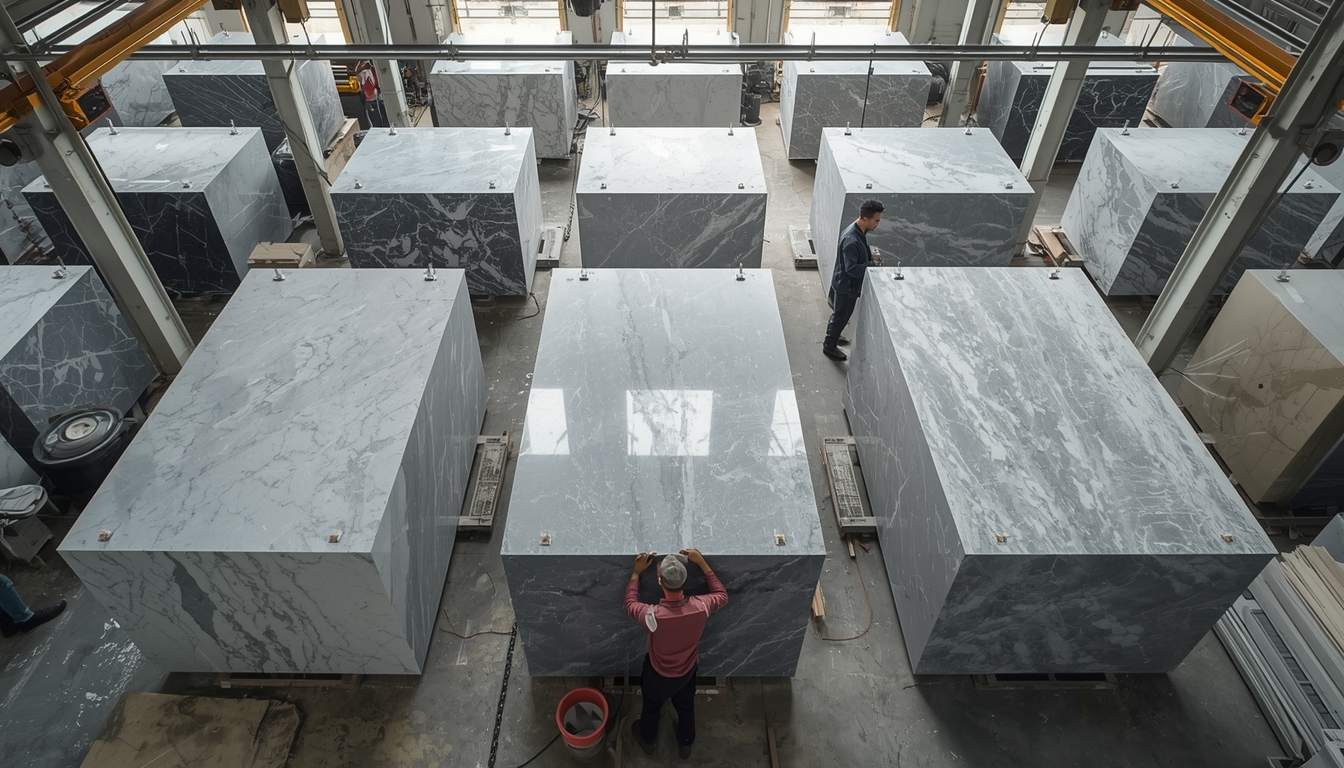
Sourcing effectively requires moving beyond a simple website search. The best way to understand what is available is to see the production process. Visiting showrooms allows you to feel the weight of a door or the texture of a fabric, but visiting the actual factories tells you how the product is made. This is where you see if a factory uses high-quality joinery or if they are cutting corners on the internal components that you cannot see once the piece is finished.
Logistics and shipping complexities
Shipping building materials is very different from shipping small consumer goods. Materials like stone, tiles, and sanitaryware are heavy and fragile. This requires specific expertise in packaging and container loading.
Packaging strategies
- Crating: Large stone slabs and glass pieces require custom wooden crates to prevent cracking during sea transit.
- Palletization: Tiles and ceramics should be securely palletized and shrink-wrapped to avoid movement inside the container.
- Weight distribution: When mixing furniture with heavy stone in a single container, the weight must be balanced carefully to ensure the container is safe for lifting at the port.
Shipping costs and timelines are influenced by global fuel prices, container availability, and port congestion. Because these factors fluctuate constantly, it is wise to build a buffer into your project timeline. Never assume a shipping date is set in stone; always plan for potential delays in transit or at customs.
Managing payments and factory relationships
The way you pay for goods is one of the most critical parts of the import process. Moving money across borders involves different banking rules and security measures.

Most international trade relies on specific payment terms that protect both the buyer and the seller. Common methods include bank transfers or letters of credit. A key part of a healthy relationship is ensuring that payments are tied to measurable milestones, such as the completion of production or the passing of a quality inspection.
Relying on a local representative or a sourcing partner can help bridge the gap between your expectations and the factory's output. Having someone on the ground to verify that the "premium leather" you ordered is actually the grade you paid for is often the difference between a successful project and a costly mistake.
Key takeaways
- Stay updated on duties: Trade regulations and anti-dumping duties change frequently; always consult a professional before budgeting.
- Prioritize technical specs: Visual appeal is not enough; ensure all materials meet the safety and electrical standards of your home country.
- Inspect the production: Visit factories when possible to see the quality of construction and the materials used in hidden areas.
- Plan for logistics: Heavy and fragile items like stone and glass require specialized packaging and extra time in your schedule.
- Verify through milestones: Link your payments to production stages and successful quality inspections to protect your investment.
Questions buyers ask
How do I know if a product will meet my country's safety standards?
You should request technical data sheets and certification reports from the factory during the quoting stage. Once you have these, send them to a local expert or a compliance officer in your country to confirm they meet your specific building codes.
Can I mix different types of materials in one shipping container?
Yes, mixing furniture, lighting, and stone in one container is a common way to save on shipping costs. However, it requires careful planning regarding weight distribution and protective packaging to ensure the heavy items do not damage the lighter ones.
Why are prices for similar items so different between factories?
Price differences often stem from the quality of internal components, such as the type of wood used in a frame, the grade of the fabric, or the hardware used in doors and windows. A lower price often indicates a different specification that may not meet your long-term durability needs.
If you are feeling overwhelmed by the scale of the Foshan markets, our team is here to help. We spend our days on the ground, visiting factories and inspecting goods so that you can source with confidence.