A room-by-room breakdown of a luxury full-house furniture order from Foshan, including material specs, typical costs, and when to avoid sourcing in China.
A full-house furniture order from Foshan typically involves sourcing custom-sized pieces for 8 to 25 rooms, ranging from living areas to master suites and outdoor terraces. For a $5 million home, this process involves selecting finishes at high-end malls like Louvre or Sunlink North, writing detailed technical specifications for every hinge, fabric, and timber, and managing a 3-to-4-month door-to-door logistics timeline. SVIKARR manages this entire workflow, ensuring that the "Italian look" you desire arrives with the exact material density and hardware quality you specified.
What is the typical room-by-room breakdown for a luxury home?
A full-house order is categorized by room function, material complexity, and specialized hardware requirements. You are not just buying "a sofa," you are buying a coordinated set of loose furniture, built-in joinery, and lighting for every zone in the house.
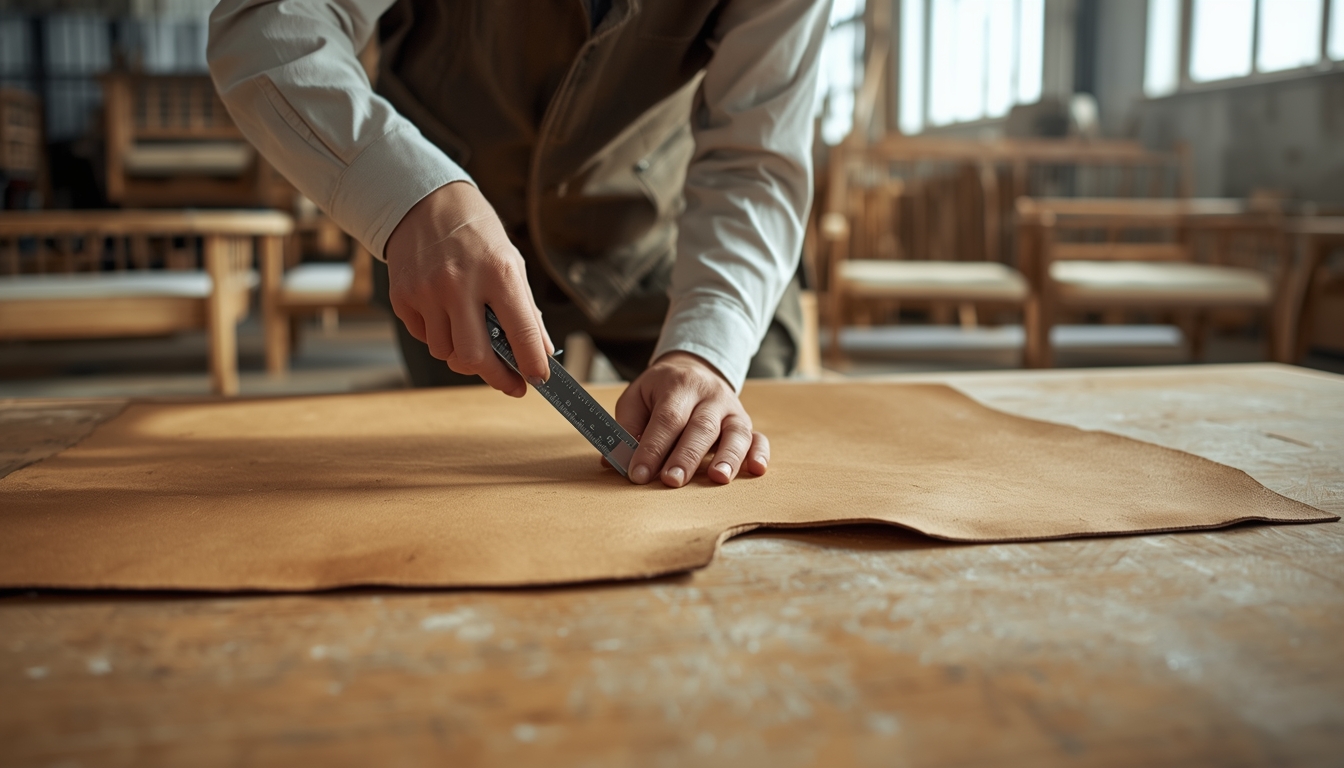
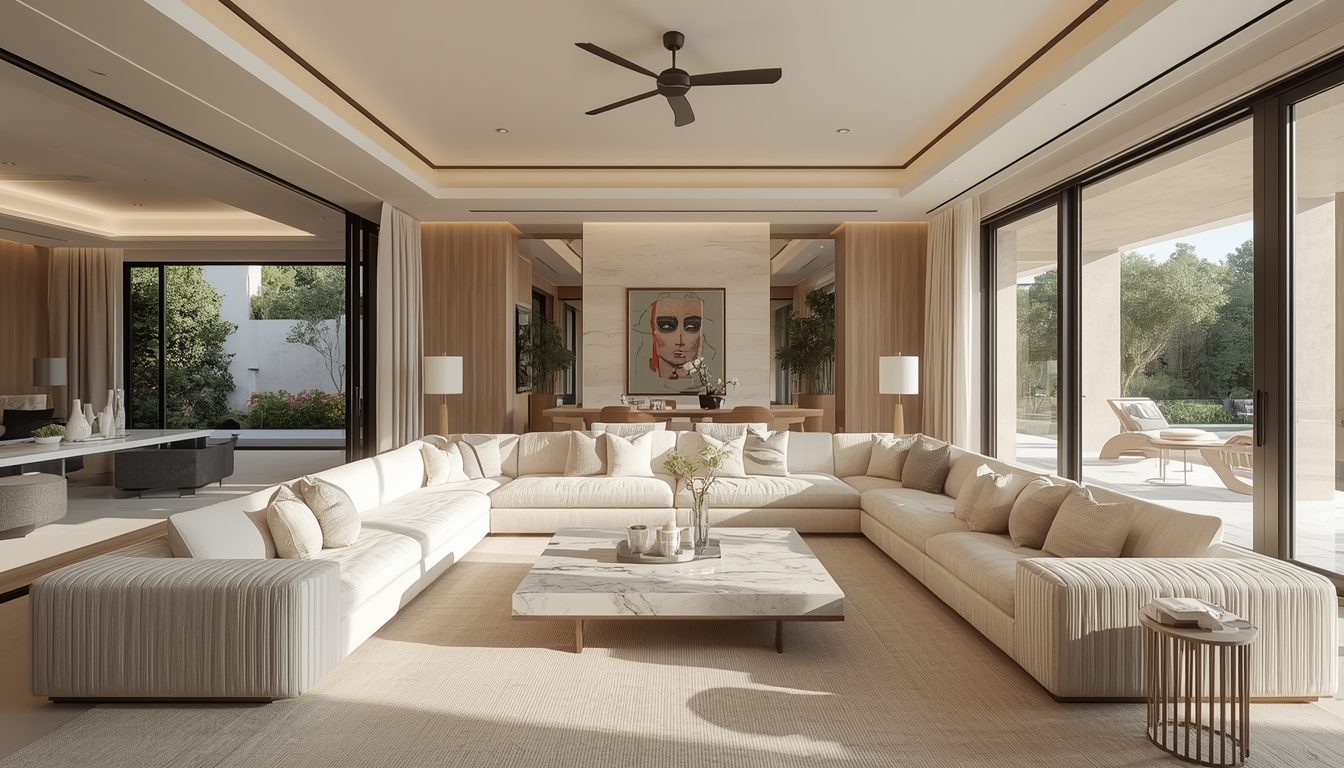
In the living and formal dining areas, the focus is on "statement" pieces. This includes large-scale upholstered sofas (often using Italian-moulded frames), marble or travertine dining tables, and high-end dining chairs. For a luxury build, we often source dining chairs with specific leather thicknesses (1.6mm to 2mm) to ensure they don't sag over time.
The kitchen and butler’s pantry orders usually focus on cabinetry, stone countertops, and integrated appliances. While we source high-quality cabinetry and stone in Foshan, we advise against ordering major appliances like Sub-Zero or Miele from China, as local warranties and voltage requirements in the US or Australia make them a risky choice.
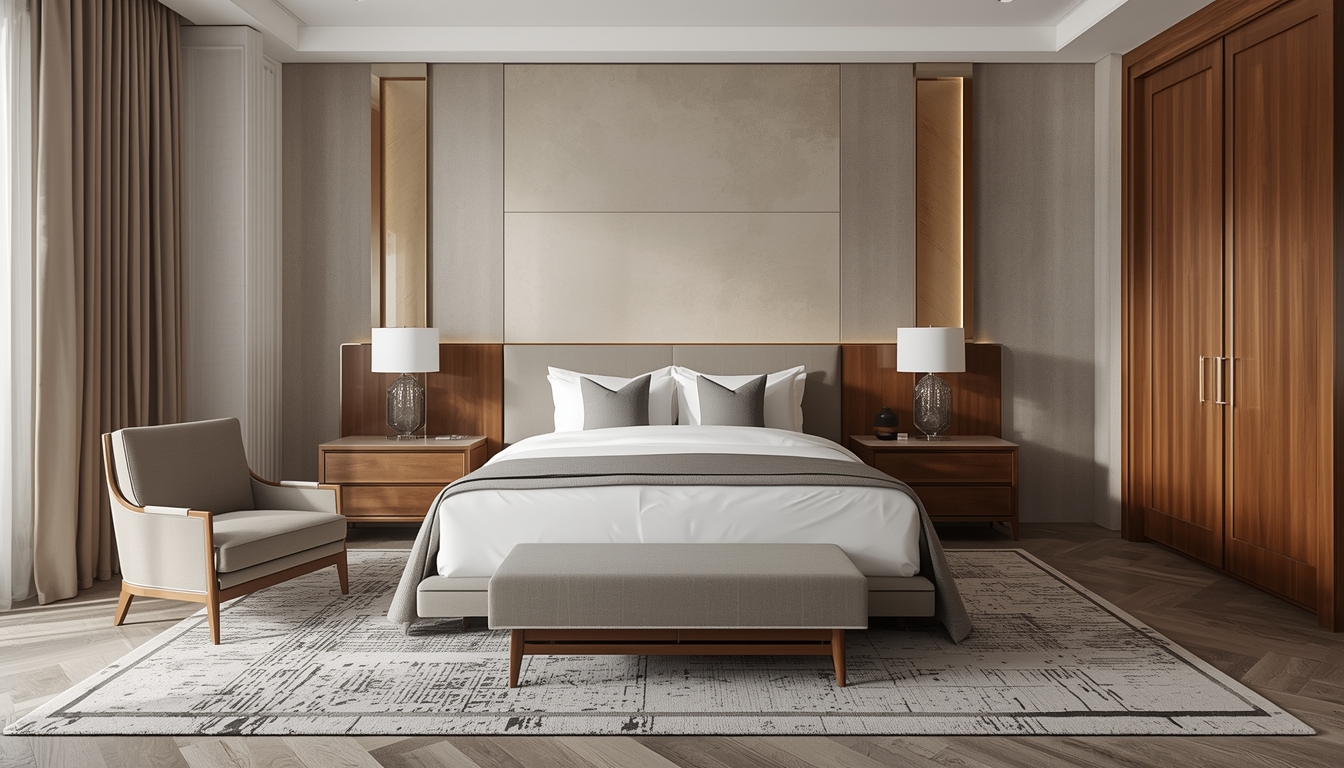
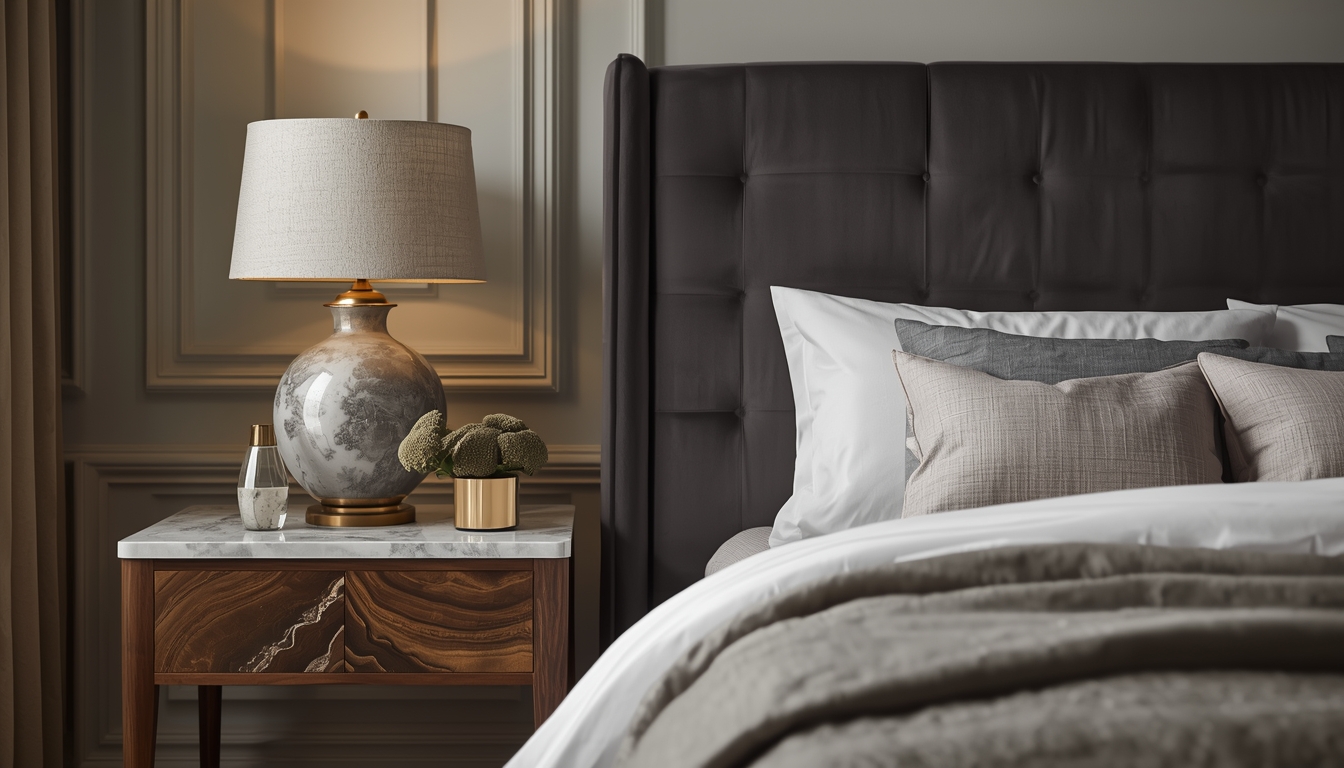
Master suites and bedrooms involve custom bed frames, nightstands, and often bespoke wardrobes. For wardrobes, we recommend a 50% deposit structure and strict inspection of the internal carcass material (ensuring it is high-density MDF or solid wood rather than cheap particle board) and the brand of runners and hinges used.
Outdoor living areas, common in Texas or Queensland builds, often include aluminium pergolas and weather-resistant lounge sets. We frequently suggest sourcing pergolas from specialized factories located 8-10 km outside the main Foshan markets to secure better pricing on heavy-duty aluminium extrusions.
How do you ensure the quality matches the showroom sample?
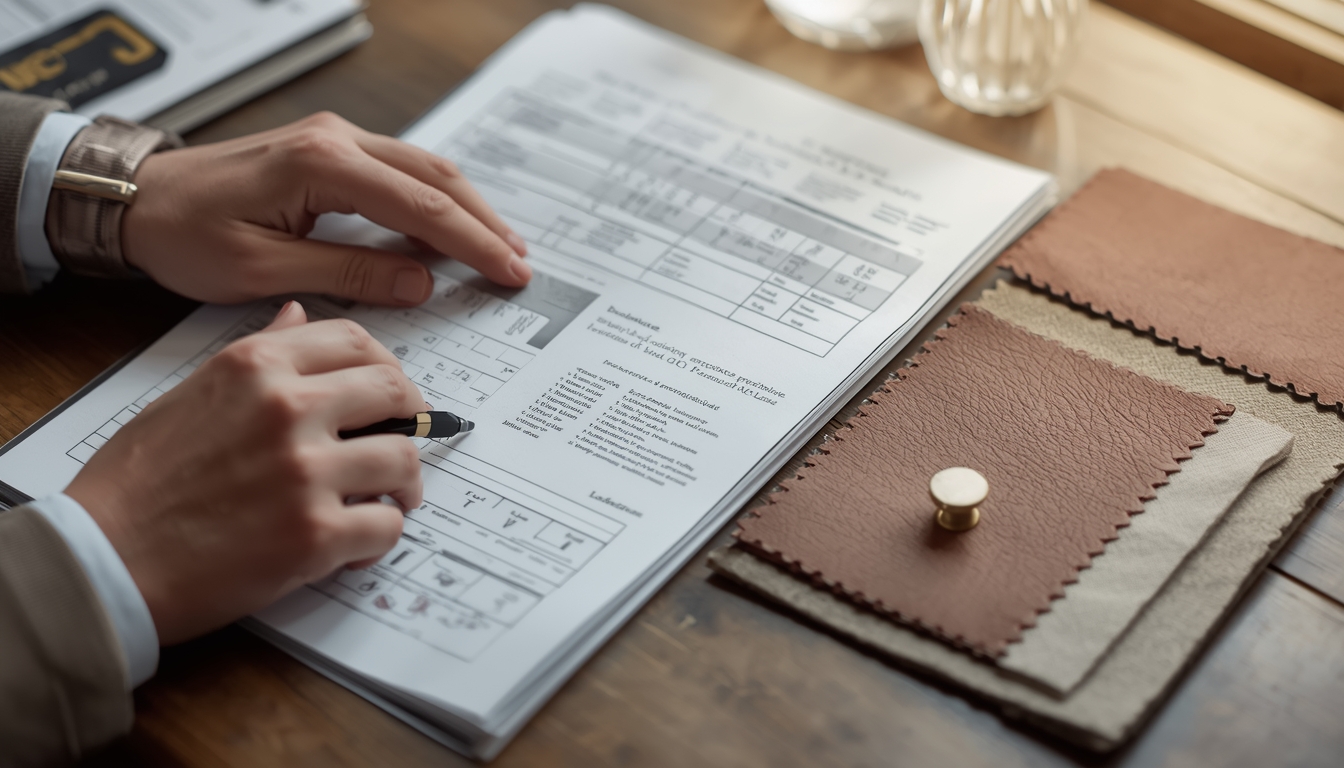
Quality control is maintained through a written specification document that replaces vague adjectives with hard facts. If a designer asks for "soft leather," the specification must state "Full-grain Italian leather, 1.4mm thickness, aniline finish."
Without a written specification, "sample drift" is almost inevitable. A factory may provide a beautiful sample made of solid oak, but the bulk production might use oak veneer over plywood. We prevent this by inspecting the core materials during the mid-production phase. We check the density of the foam in sofas, the brand of the drawer slides (such as Blum or Hettich), and the exact colour code of the powder-coated metal frames.
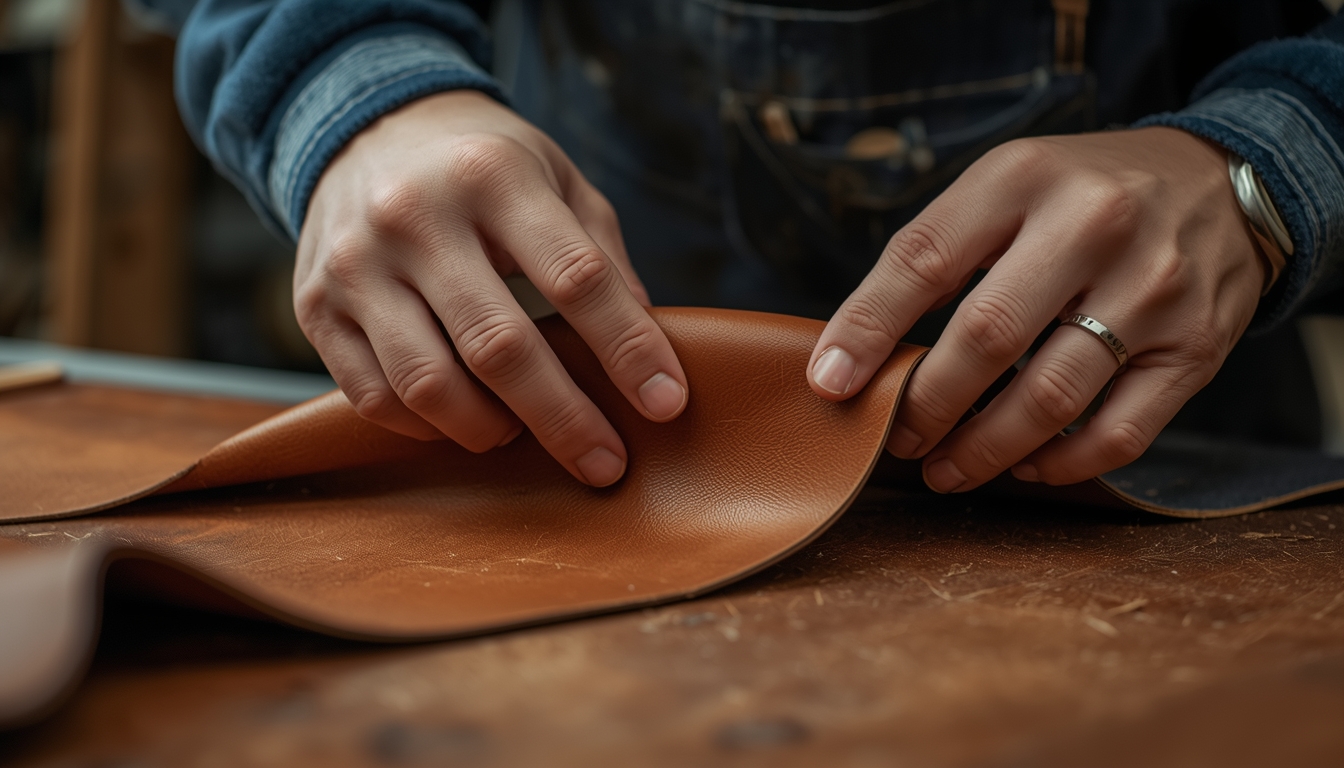
We also pay close attention to the "invisible" components. In a $10 million home, the difference between a mediocre order and a luxury one lies in the weight of the door, the smoothness of the soft-close mechanism, and the thickness of the stone slabs. If a factory offers "Italian leather" at a price that seems too low, it is likely a corrected or split leather; real Italian hides are bought by the hide and cost significantly more.
What are the different price tiers in Foshan?
Foshan's furniture market is segmented into distinct tiers based on design exclusivity, manufacturing precision, and price points. Knowing which mall to visit depends entirely on your project's budget and the level of "patented" design you require.
| Market Tier | Primary Location | Typical Quality | Price Level |
|---|---|---|---|
| Ultra-Luxury | Louvre (Lecong) | Patented, branded | Very High (¥30k+) |
| Premium | Sunlink North | High-end, reliable | Mid-High |
| High-Quality | Empire | Solid construction | Mid-Range |
| Budget/Mid | Sunlink South | Variable, needs digging | Lower |
For a project aiming for the Minotti or B&B Italia aesthetic, we often use a "hybrid" sourcing strategy. We might visit the Louvre to select the exact silhouette and finish of a piece, then work with a high-quality manufacturer in Sunlink North or a specialized factory on Jiujiang Avenue to recreate that quality at a more reasonable price point.
When is buying from China the wrong choice?
Buying from China is the wrong choice if your project has an urgent move-in deadline or if you are ordering small, individual items.
If you need a single replacement chair or a specific lamp within four weeks, Foshan is not the solution. The logistics of sea freight, customs clearance, and the 30-60 day production cycles mean you should plan at least 3-4 months for door-to-door delivery.
Furthermore, we do not recommend sourcing "technical" items that require local serviceability. This includes major kitchen appliances, HVAC components, or complex smart-home systems that require a local technician for installation and warranty support. If a component breaks in a house in Sydney or Los Angeles, you cannot wait six weeks for a replacement part to ship from Guangdong.
Always specify the brand of hardware, such as Blum or Hettich, in your written contract to prevent factories from substituting generic hinges during mass production.
How do tariffs and shipping affect the total cost?
Tariffs and shipping costs are significant variables that must be factored into your initial interior budget. As of October 2026, US buyers must be particularly aware of Section 232 tariffs.
For US-based projects, upholstered wooden furniture and kitchen cabinets/vanities are subject to a 25% tariff (as of October 2026), with scheduled increases in 2027. Because Chinese goods can also carry Section 301 duties or anti-dumping duties on certain wooden items, the total landed cost can be higher than expected. You must work with a licensed customs broker to confirm the exact duty for your specific product codes.
In Australia, many furniture items can enter at 0% duty under the China-Australia Free Trade Agreement (ChAFTA), provided you have a valid Certificate of Origin. However, you must still account for the 10% GST and strict biosecurity rules regarding timber packaging (ISPM-15 compliance).
Shipping is typically calculated by volume (CBM). A 20 ft container holds roughly 25-28 CBM, while a 40 ft high-cube container holds 55-65 CBM. For a full-house order, we aim to maximize container utilization to bring your per-item shipping cost down.
Key takeaways
- Plan for time: Allow 3-4 months for a full-house order to account for production, sea transit, and customs.
- Specify everything: Use exact measurements, material thicknesses, and hardware brands to avoid "sample vs. bulk" discrepancies.
- Tier your sourcing: Use Louvre for inspiration and Sunlink North or specialized factories for high-quality execution.
- Avoid technical risks: Do not source major appliances or items requiring local warranties from China.
- Budget for tariffs: US buyers should account for significant tariffs on upholstered furniture and cabinetry.
Questions buyers ask
Is it possible to resize furniture ordered from Foshan?
It depends on the construction method. Furniture made from Italian-style moulds often cannot be resized without significantly increasing the cost, as the mould itself dictates the dimensions. For custom joinery or frame-built sofas, resizing is usually possible if specified during the design phase.
How much deposit should I expect to pay?
Standard industry practice in Foshan involves a 30-50% deposit to commence production. For furniture, we typically manage a 40% deposit, while wardrobes and built-in cabinetry usually require 50%. The remaining balance is paid after a successful pre-loading inspection but before the goods leave the factory.
How do I know if the leather is actually high quality?
Look for the thickness and the grain. Premium leather should be between 1.0mm and 1.6mm thick, with ultra-premium hides reaching 2mm. Real full-grain leather will show natural pores and breathe; if the price is too low for "Italian leather," it is likely a lower-grade corrected leather.
SVIKARR's team in Foshan provides the boots-on-the-ground presence needed to navigate these markets. We visit the showrooms, write your technical specifications, inspect the production mid-way, and manage the entire shipping process to your door.