How hotel projects buy furniture in China (specs, samples, mock-ups, inspections, staged payments) and the version a luxury homeowner can copy for a house.
Luxury hotels buy furniture from China with a written specification for every piece, an approved sample that becomes the standard, inspections during and after production, and one planned shipment to a warehouse or site. Homeowners can copy almost all of it. SVIKARR's team in Foshan runs a whole-house order the same way: a bilingual spec per piece, a checked sample, inspection before loading, and one container to your door.
The difference is scale, not method. A hotel orders 300 identical nightstands; you order one. That changes what you can ask a factory for, and it's where homeowners most often go wrong. Below is how hotel projects buy, what each step protects, and the version that works for a single house.
How does a hotel project actually buy furniture from China?
Through a fixed sequence: specification, quotation, samples, a mock-up room, production, inspection, shipping and installation. Hotel furniture makers and FF&E consultants describe nearly the same steps, for example in this eight-stage procurement outline from a Chinese hospitality furniture maker.
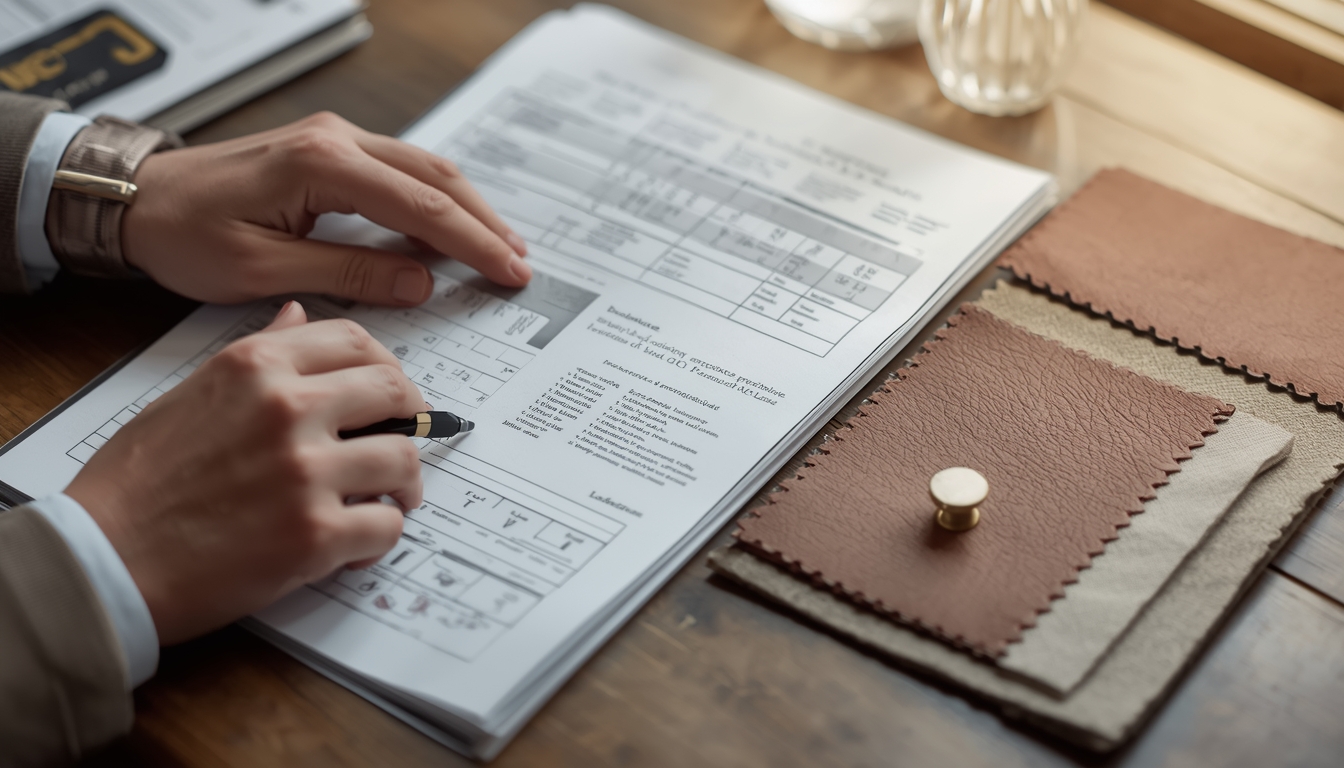
The core document is the specification, often a bill of quantities with item codes, rooms, quantities, dimensions, materials, finishes and drawings for every line. Factories quote against that document, not against a photo. Everyone can then compare like with like, and nobody can quietly swap a material later.
Many large projects also appoint a purchasing agent: a firm that issues purchase orders, chases production, books freight and checks quality for a fee. The alternative is to have the contractor supply the furniture as part of the build.
What is a mock-up room, and does a homeowner need one?
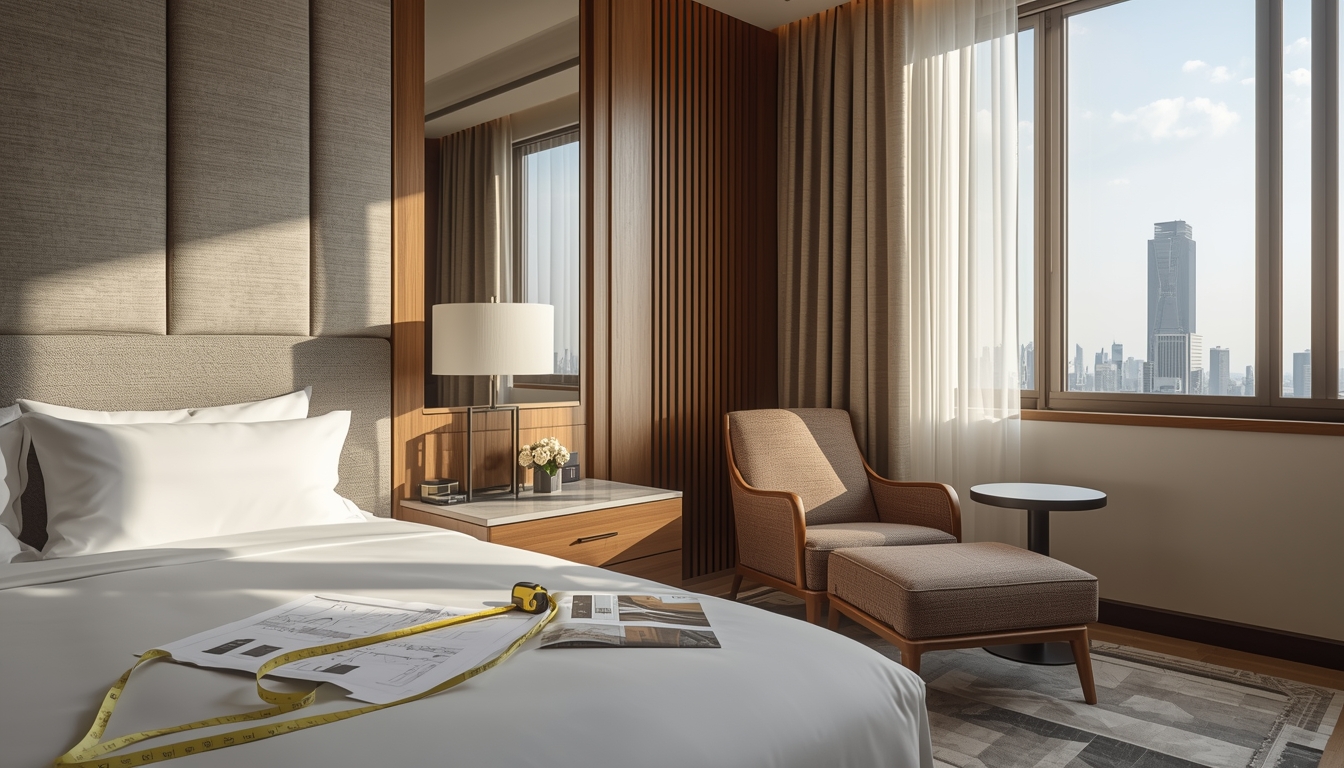
A mock-up room is one finished guest room built with real furniture before the main order is released. Once signed off, it becomes the standard the factory must match in production, and the reference the inspector checks against.
You don't need a full mock-up for a house. You need the same idea at a smaller size: one approved sample, or one approved swatch and finish board, for each piece that matters. For a sofa, that's the frame, the seat comfort, the fabric or leather and the leg finish. For a dining table, a finish sample on the actual timber and stone.
What you're protecting against is the sample-versus-bulk switch: plywood that becomes MDF, foam that drops in density, branded hinges that turn generic, veneer that gets thinner. A signed sample and a written spec make those changes visible.
Which standards do hotel buyers check that homeowners skip?
Fire safety and durability. In the US, upholstered furniture must meet the federal smolder standard at 16 CFR part 1640, which adopted California's TB 117-2013 and has applied to furniture made or imported since 25 June 2021. California repealed its older public-occupancy test, TB 133, in 2019, saying TB 117-2013 now covered hotels too (TÜV SÜD summary).
That isn't only a hotel concern. If you import an upholstered sofa into the US for your own home, it still has to comply. Ask the factory which foam and fabric it uses and whether it can supply test reports for those materials.
Electrical items are the other blind spot. Chandeliers and lamps for a US home should carry UL or ETL listing, and for Australia SAA/RCM approval, or your electrician may refuse to install them. Foshan's lighting city has hundreds of chandelier designs at about ¥2,000-70,000, and Guzhen, about an hour away by car, is slightly cheaper. Not every design there is certified for export, so we check before we price it.
What does each hotel step look like for a single house?
Most hotel steps scale down neatly. The one that doesn't is volume.
| Hotel practice | What it protects | Home version |
|---|---|---|
| Bill of quantities | Like-for-like quotes | Written spec per piece |
| Mock-up room | Bulk matches sample | One approved sample or swatch |
| Production inspection | Hidden materials | Leather and frame checked mid-way |
| Pre-shipment inspection | Defects and counts | Full check before loading |
| Consolidated freight | Cost and damage | One container, one consignment |
| Spare stock | Repairs later | Extra fabric or leather kept |
Hotels inspect with sampling plans, usually based on ISO 2859-1, because checking 300 identical chairs one by one isn't practical. A house is different. With one or two of each piece, every item can and should be checked.
Spare stock is the quiet lesson. Hotels order extra pieces so a damaged chair can be swapped in a week. For a home, ask for an extra meter or two of the same fabric dye lot, a spare leather hide offcut and touch-up lacquer in the same color. Matching a dye lot from China a year later is hard.
Where do hotel buyers go in Foshan, and where should you?
Hotel buyers usually go straight to factories, because their volumes justify it. Homeowners do better starting in the malls and then following the maker back to the factory.
Here's how our team works in Lecong. Louvre is ultra-luxury: branded and patented designs, typically above ¥30,000 a piece and some above ¥100,000. Sunlink North is where we usually buy, with high quality at a fair price and sofas and beds from about ¥8,000. Empire is high quality and a little cheaper. A useful approach is to choose the style at Louvre, then find the same quality of make at Sunlink North or at the factory.
Within 10-15 km of the markets there are outstanding factories. One on Jiujiang Avenue makes ultra-luxury beds, sofas, dining and smart mattresses; a lifting, massage mattress of about seven layers there costs around ¥40,000. Those are the workshops where a written spec and a mid-production visit make the difference.
Write everything down. Every size, finish, fabric code, hardware brand and color goes into the spec, or it drifts between the showroom and the crate.
Where does the hotel method not work for a home?
Minimum order quantities and resizing. Hotels can ask a factory to change a design because they're buying hundreds. A homeowner buying one sofa often can't.
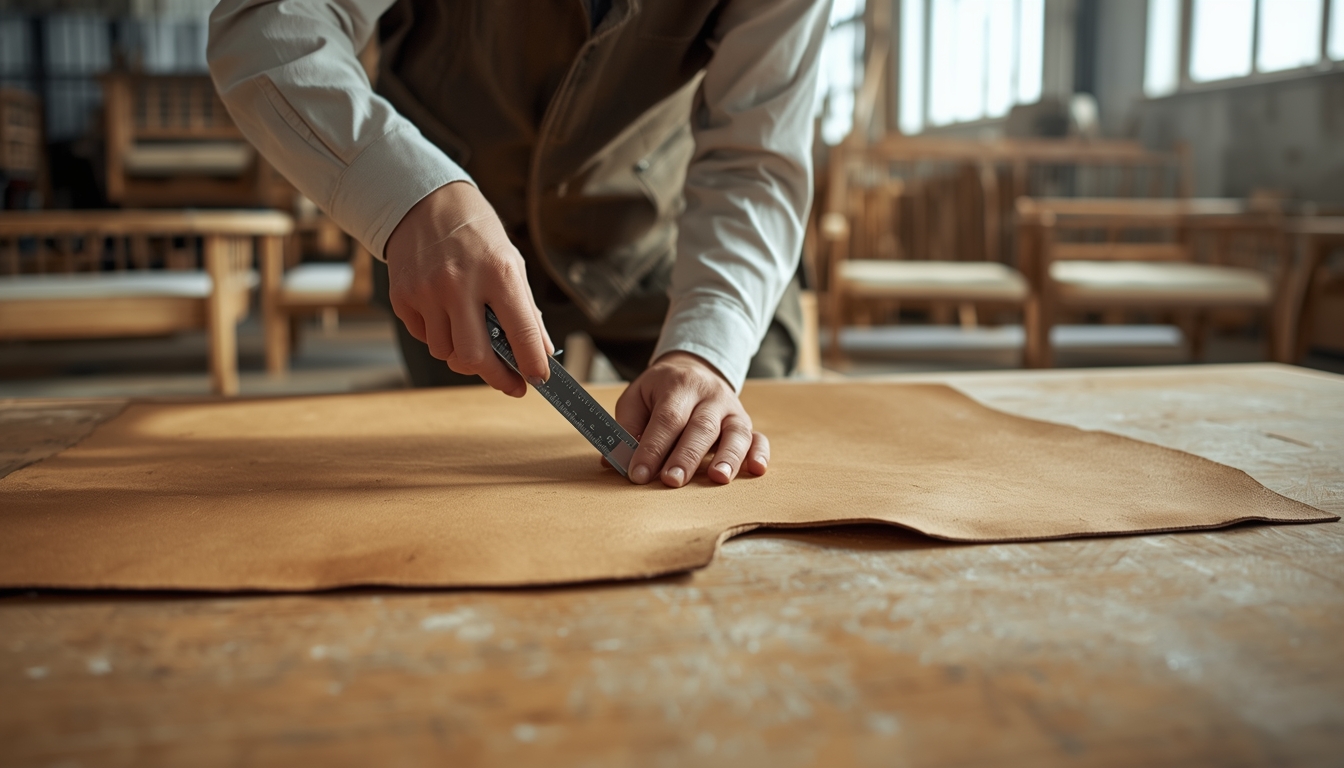
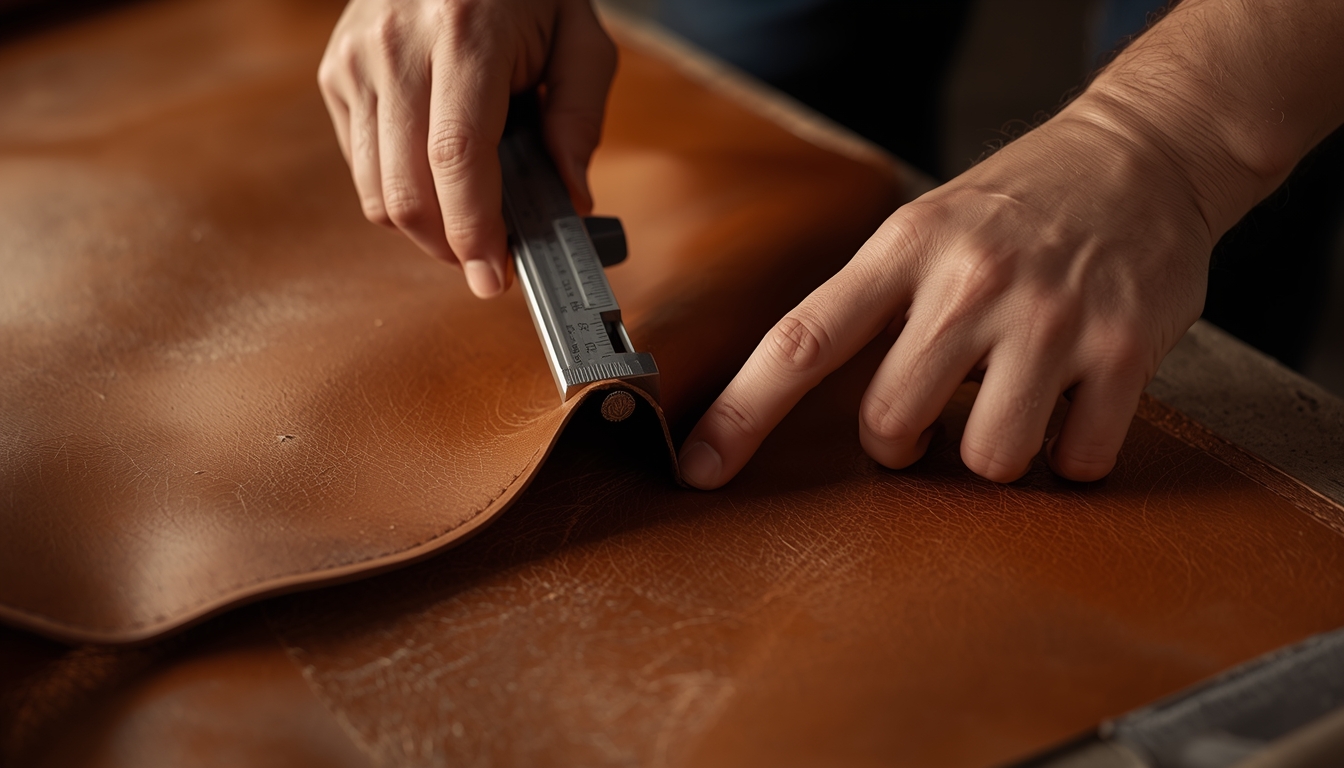
From our own buying: Italian-mould sofas often can't be resized at low order quantities, because the mould fixes the size. Resizing is possible but costs more. Leather is similar. Good leather is about 1.0-1.6 mm thick, and ultra-premium about 2 mm, but some thick leathers won't stitch well on slim dining chairs. If "Italian leather" is offered at Chinese-leather prices, it isn't Italian; real Italian leather costs about three to four times more. The leather must be inspected during production, at the factory, or you can't know which hide went in.
There are also homes where China is simply the wrong answer:
- One or two pieces, or an order under about US$20,000. Local or retail is usually simpler.
- A move-in date less than eight weeks away. Plan 3-4 months door to door.
- Appliances or electronics that need a local warranty.
How should a homeowner pay, the way hotels do?
In stages tied to proof. Hotel contracts release money at milestones, and the same principle protects a house order: a deposit of 30-50% to start production, and the balance after inspection, before shipping. Our own rule is 40% for furniture and 50% for wardrobes.
Never pay 100% upfront, and never to a personal account. If payment details "change" by email, call the factory on a number you already have before sending anything.
For a US home, also plan duty the way a hotel's purchasing agent would. As of October 2026, Section 232 duty on upholstered wooden furniture is 25%, scheduled to rise to 30% on 1 January 2027, and kitchen cabinets and vanities are scheduled to go from 25% to 50% (STR trade report). Other duties can apply on top, so confirm the total for each product code with a licensed customs broker.
Key takeaways
- Hotels buy from China with a written spec, an approved sample, inspections and one planned shipment; a homeowner can copy every step.
- The sample is the standard. Without a signed sample and a written spec, materials drift.
- US upholstered furniture must meet 16 CFR 1640 (TB 117-2013) whether it's for a hotel or a home; lighting needs UL/ETL in the US and SAA/RCM in Australia.
- Low quantities limit resizing, especially on Italian-mould sofas, so check what can change before you fall for a design.
- Pay in stages: deposit to start, balance after inspection, never 100% upfront.
Questions buyers ask
Can I buy from the same Foshan factories that supply hotels?
Often, yes. Many factories make both contract and residential furniture. The difference is that a single home order gets less flexibility on sizes and finishes, so ask early what the factory will change for one piece.
Do I need a third-party inspection company for one house?
You need an inspection; who does it is your choice. What matters is that someone checks the leather and frame during production and every piece before loading, against your written spec and approved sample.
Is hotel-grade furniture better than residential?
It's built for heavy use and strict fire rules, which suits busy family rooms. It isn't automatically more refined. For a living room sofa, comfort, leather and finish usually matter more than contract durability ratings.
How long does a hotel-style order from Foshan take?
Production is usually 30-60 days after the sample is approved, plus 2-4 weeks at sea to the US West Coast or Australia. Plan 3-4 months door to door, and avoid Chinese New Year, when factories close for weeks.
If you'd like your house bought the way a hotel group buys, our team in Foshan can write the spec for each piece, check samples, inspect before loading and ship it as one consignment to your door.