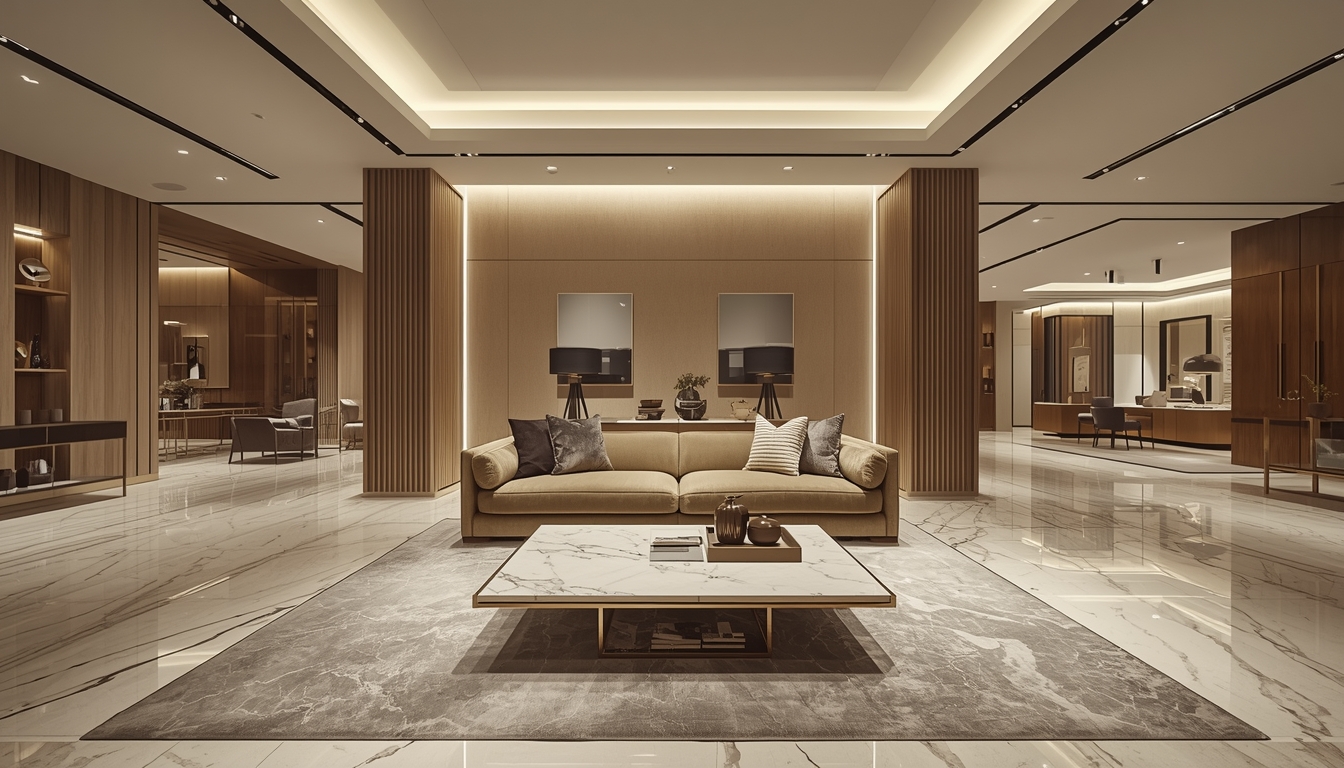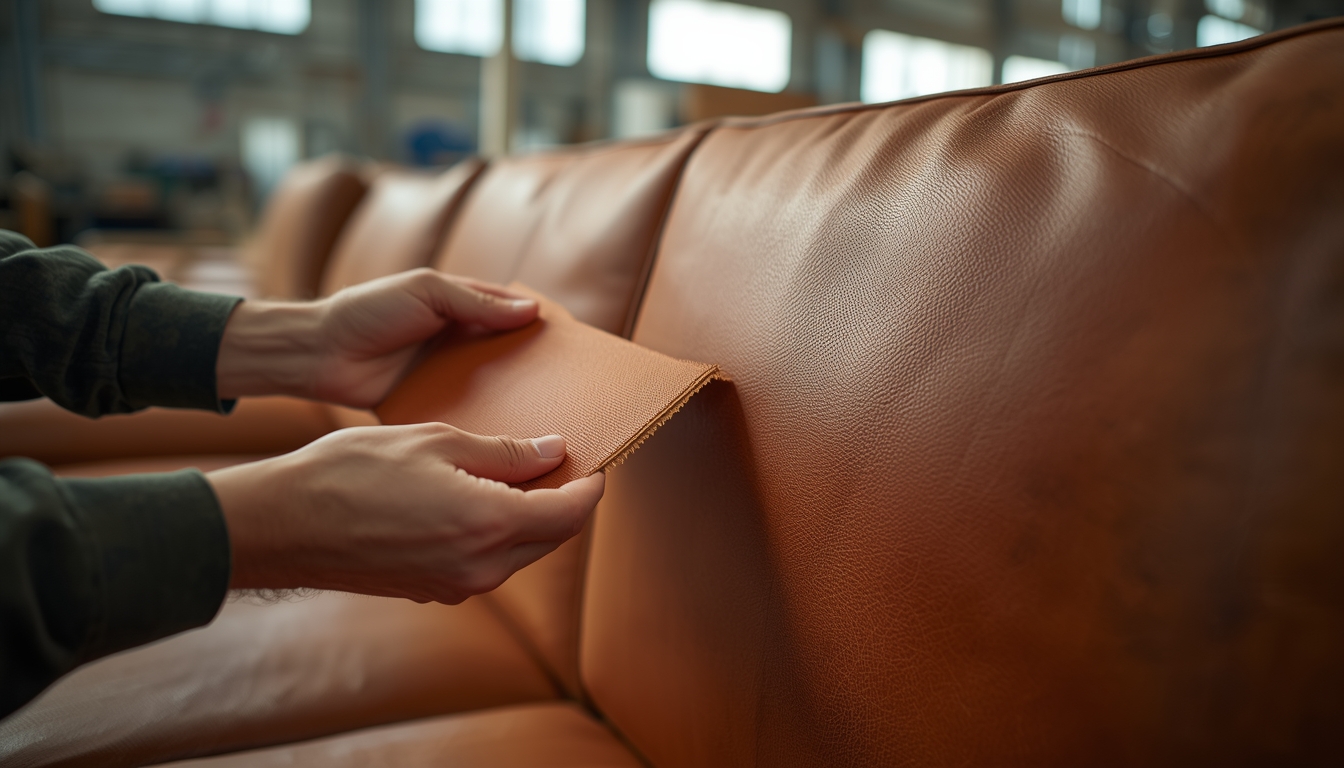
Learn how professional builders source high-end stone, porcelain tiles, and lighting from Foshan. Avoid common mistakes in logistics and quality control.
Builders and designers source stone, tiles, and lighting from Foshan by bypassing retail showrooms and coordinating directly with specialized hubs like China Ceramics City, Nanzhuang, and Guzhen. This process requires precise technical specifications for dimensions, finishes, and electrical standards to ensure the materials integrate perfectly with the local build. SVIKARR helps by managing the entire workflow, from verifying slab patterns to ensuring lighting components meet your country's voltage requirements.
Where are the best places to source these materials?
You must go to specific industrial clusters rather than general furniture malls to find high-end finishes. For stone and large-format porcelain tiles, China Ceramics City in Shiwan is the primary destination, while Guzhen is the global capital for lighting.
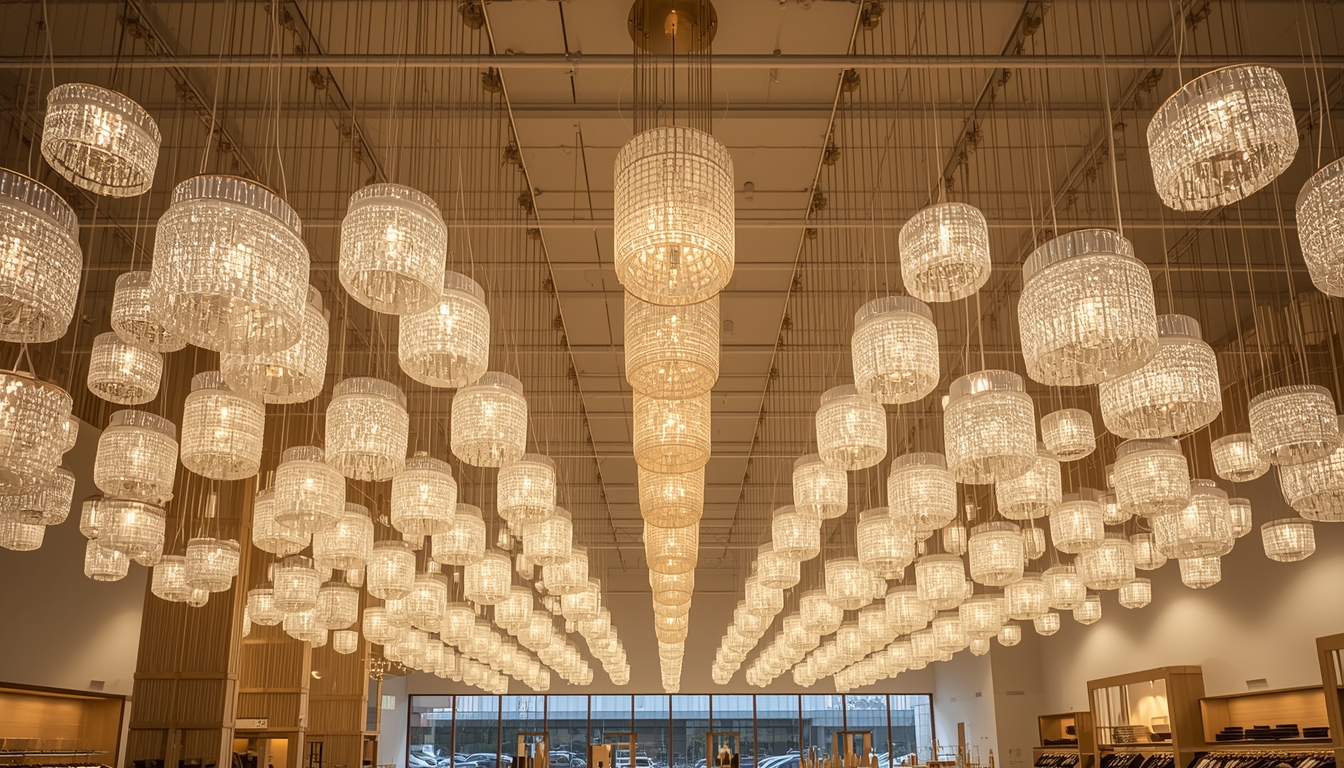
Stone and tiles are best found in China Ceramics City, where you can inspect the actual slabs. We often recommend visiting the specialized markets in Nanzhuang for high-quality ceramic tiles. For lighting, Guzhen is about a one-hour drive from Foshan; it offers everything from budget-friendly pendants to ¥70,000 custom chandeliers. If you are looking for aluminium doors, windows, or pergolas, we head to the Nanhai district, where factories are often 8 to 10 km outside the main markets, offering prices about 20% lower than the showroom stalls.
How do you ensure the stone and tiles match the design?
Matching requires physical sample approval and "book-matching" inspections at the factory or warehouse. You cannot rely on digital photos for natural stone or high-end porcelain because screen calibration varies wildly.
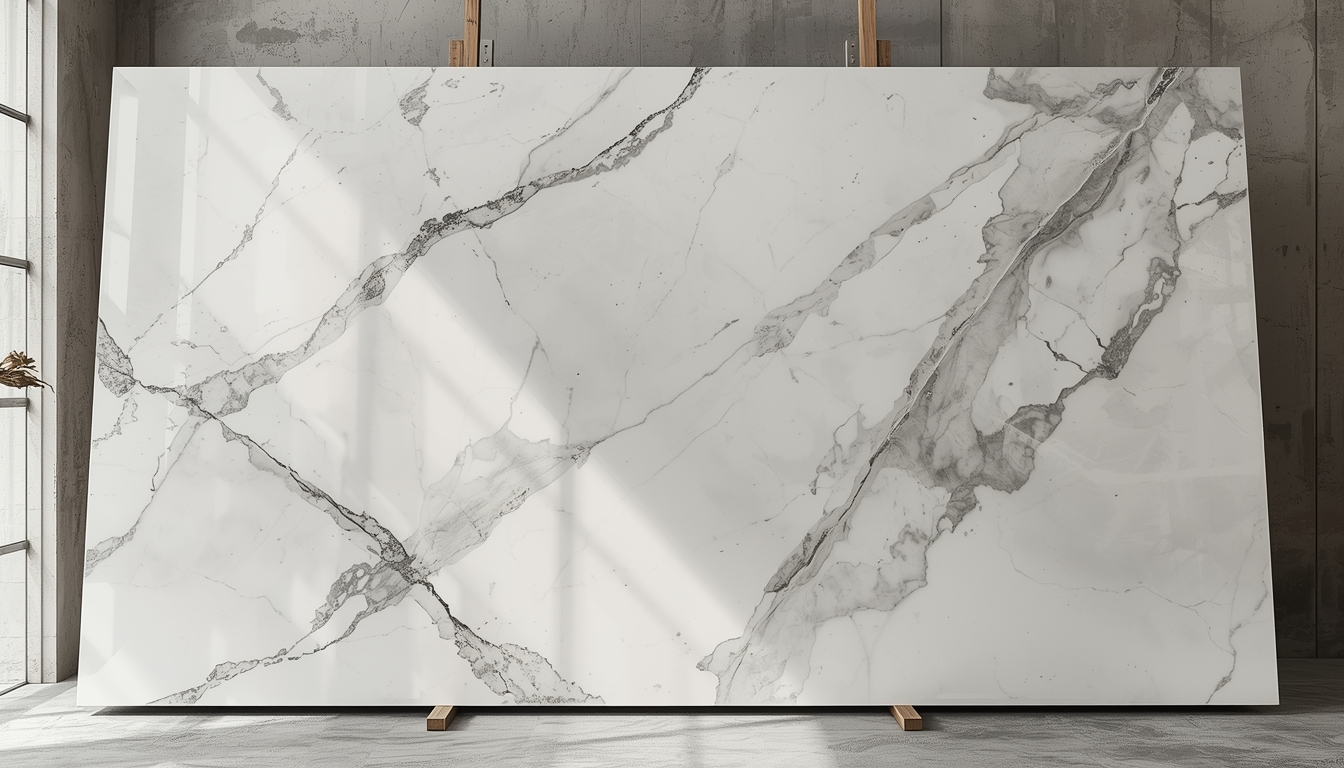
When sourcing stone, we insist on seeing the specific batch of slabs that will be shipped. For luxury builds, "book-matching" (where the veins of two slabs mirror each other) is critical for feature walls or large island benches. We write down every thickness, whether it is 20mm or 30mm, and every finish, such as honed, polished, or leathered. For tiles, we verify the PEI rating (durability) and the water absorption rate to ensure they are suitable for your specific application, like a high-traffic floor or a wet room.
What are the risks with lighting imports?
The primary risks are incorrect voltage, incompatible plug types, and fragile components breaking during sea transit.
If you are building in the US, you need 110-120V; in Australia or the UK, you need 220-240V. Many high-end decorative lights from China are sold as "fixtures only," meaning the driver or transformer might be a separate component. We check that the LED drivers are compatible with your local dimming systems (like Lutron or C-Bus). Furthermore, lighting is high-volume but low-weight, making it prone to "crushing" in containers if not packed in reinforced wooden crates.
Is it always worth importing these heavy materials?
It is worth it for large-scale projects where the volume justifies the shipping, but it is often a mistake for small, urgent, or highly specialized local requirements.
If you only need five tiles to repair a broken floor, do not source from Foshan. The logistics costs and minimum order quantities (MOQ) will dwarf the material savings. Similarly, if your builder needs a specific tapware brand with a local warranty to meet building codes, buying locally is safer. For a whole-house build, however, the savings on high-end stone and custom lighting can be significant enough to offset the landed cost of shipping.
| Material Category | Sourcing Hub | Best For | Key Detail to Check |
|---|---|---|---|
| Natural Stone | China Ceramics City | Feature walls, islands | Slab vein matching |
| Porcelain Tiles | Nanzhuang / Shiwan | Floors, bathrooms | PEI rating & thickness |
| Lighting | Guzhen | Chandeliers, pendants | Voltage & dimming |
| Aluminium | Nanhai | Windows, pergolas | Powder coat thickness |
How do we handle the logistics of heavy items?
We coordinate specialized crating and "floor loading" strategies to prevent breakage.
Stone and tiles are heavy and brittle. We ensure they are packed on heavy-duty pallets and often use "A-frame" wooden crates for large marble slabs to prevent them from snapping under their own weight. For a full-house order, we calculate the total CBM (cubic meters) to ensure we are utilizing a 40 ft high-cube container efficiently, which holds about 55-65 CBM. You can use our CBM calculator to estimate how much space your stone and tiles will occupy.
Always request a "pre-shipment inspection" specifically for stone to check for hairline cracks and for lighting to ensure all components turn on before the crate is sealed.
Key takeaways
- Use specialized hubs: China Ceramics City for stone/tiles and Guzhen for lighting.
- Verify electrical specs: Ensure voltage and dimming compatibility match your country.
- Inspect the actual slabs: Digital photos are insufficient for natural stone veining.
- Check the scale: Sourcing is most cost-effective for whole-house orders, not small repairs.
- Plan for breakage: Heavy materials require reinforced A-frame crating.
Questions buyers ask
Do I need to pay import duties on stone and tiles?
It depends on your country and the specific material code. For example, US buyers should check for any anti-dumping duties on specific ceramic products, and Australian buyers should account for the 10% GST. We recommend consulting a licensed customs broker for the most current rates.
How do I prevent tiles from arriving broken?
Breakage is prevented through professional "export-standard" packaging. This includes using reinforced wooden pallets, edge protectors, and often custom-built wooden frames for large-format porcelain or natural stone slabs.
Can I customize the size of my lighting fixtures?
Yes, many manufacturers in Guzhen and Foshan offer customization. However, for complex, high-end designs, there may be a minimum order quantity or a higher price for a single custom piece.
What is the best way to choose stone colors?
The best way is to request physical samples to be sent to your designer or architect. Once the sample is approved, we go to the warehouse to photograph the actual slabs that will be used in your project to ensure the pattern meets your expectations.
If you are managing a luxury build and need to coordinate these complex material orders, our team in Foshan can manage the entire process. We visit the markets, verify the technical specifications, and inspect every slab and fixture before they are loaded into your container.