A complete guide for luxury homeowners on managing Foshan furniture orders, from factory inspections and payments to shipping and US/Australia delivery.
Getting your custom furniture from Foshan to your doorstep requires a structured process of specification, inspection, and logistics management to avoid costly errors. SVIKARR manages this entire pipeline, ensuring that the high-end pieces you select in Lecong or Longjiang are manufactured to your exact standards and delivered safely to your home.
Where should you buy furniture in Foshan?
Your choice depends on whether you want curated luxury or direct-from-factory pricing. For ultra-luxury, patented designs, the Louvre mall in Lecong is the primary destination, where pieces often exceed ¥30,000.
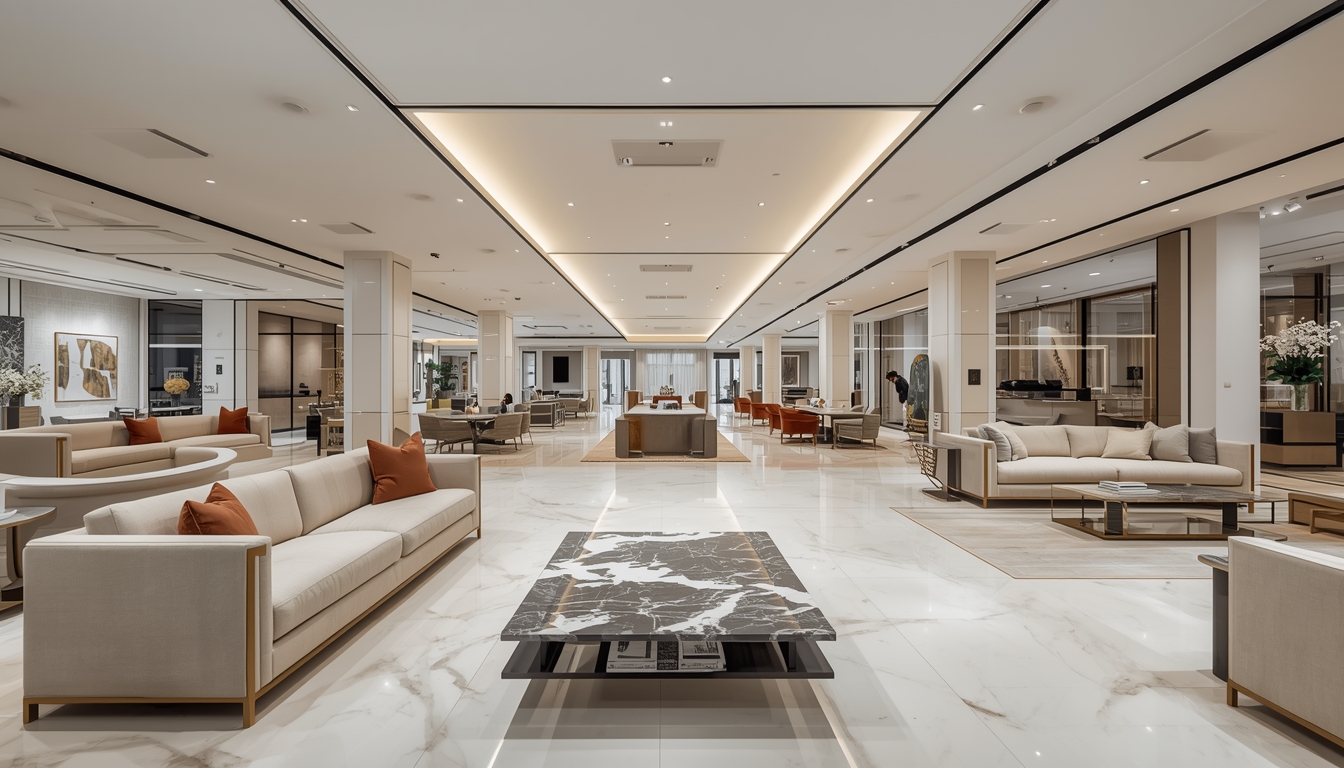
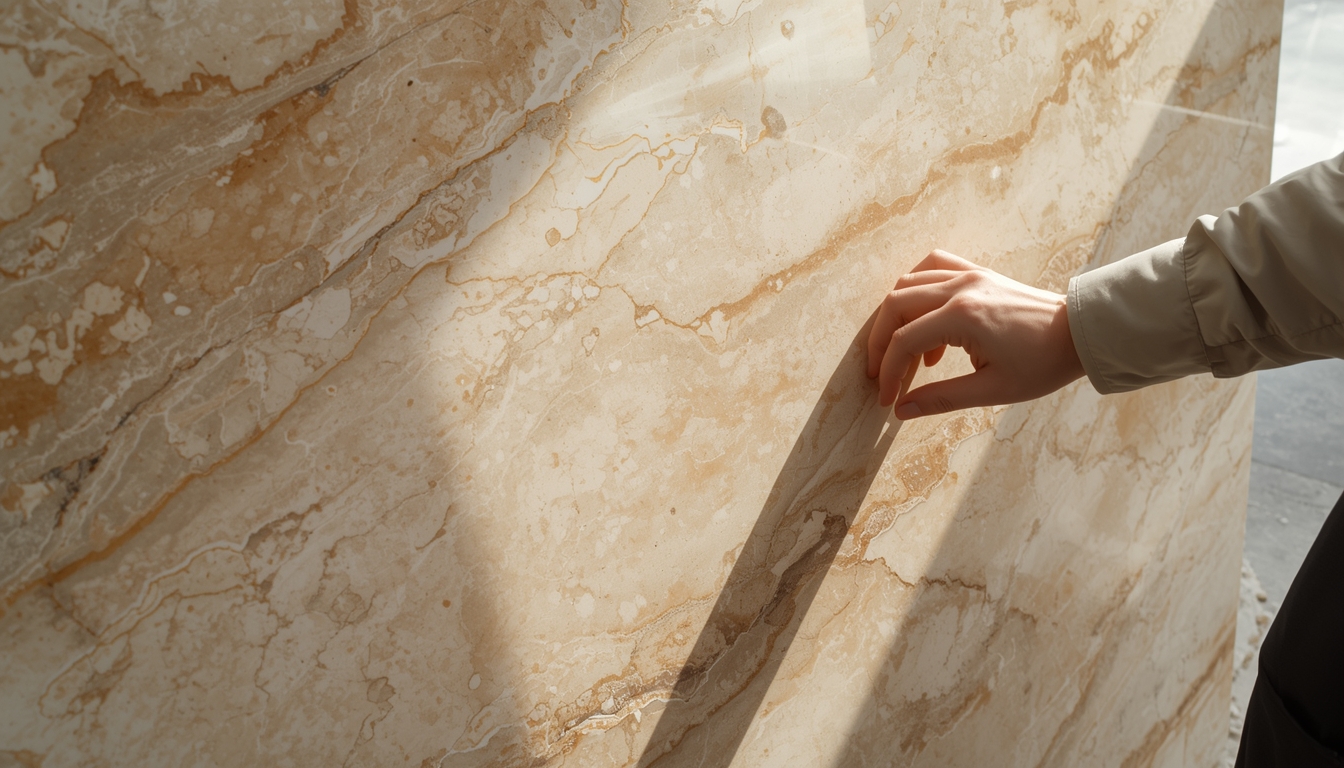
If you want the same quality but with more flexibility on customization and better margins, we often recommend Sunlink North for big brands and high-quality sofas starting around ¥8,000. For those looking for specific materials like stone or tiles, we head to China Ceramics City, or to Nanhai for aluminium doors and windows. If you are looking for lighting, Guzhen is the capital, located about an hour's drive from the Foshan markets.
How do you handle payments to factories safely?
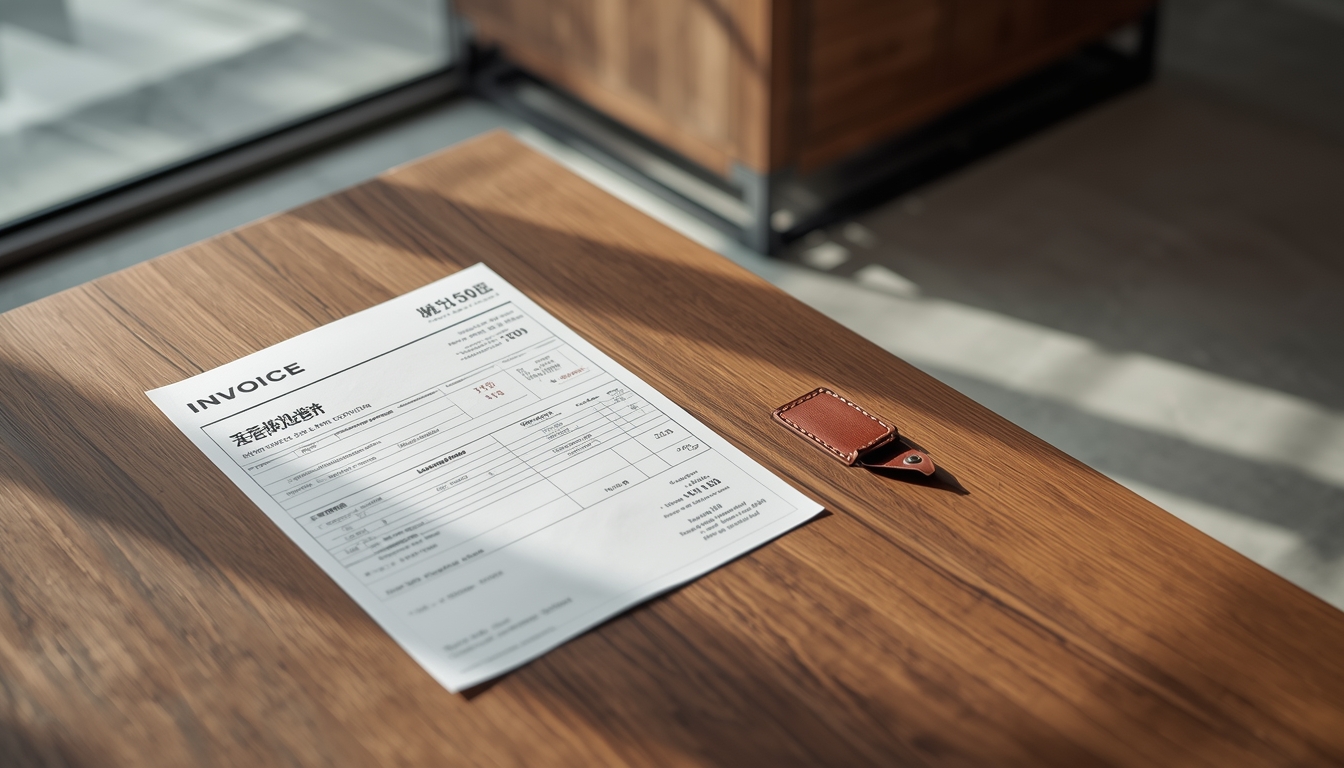
Never send a deposit to a personal bank account or a stranger's name. Always ensure the payment is made to a verified company account that matches the name on your official proforma invoice.
We typically follow a structured payment schedule: a 40% deposit to start production for furniture, or 50% for wardrobes, with the remaining balance paid after a successful pre-loading inspection but before the goods leave the factory. Using a documented process helps prevent the "disappearing deposit" fear. You can learn more about the specifics of documentation in our guide on paying a deposit in Foshan.
How do you prevent "sample-vs-bulk" quality issues?
You must write everything down in a detailed production specification before the first cent is paid. If you don't specify the exact foam density, the brand of hinges (like Blum or Hettich), or the specific thickness of the leather (1.0mm to 1.6mm for good quality, 2mm for ultra-premium), the factory will use the most cost-effective substitute.
Our team performs physical inspections during the production phase and again before the container is sealed. We check that the "Italian leather" is actually full-grain and not just a corrected top-grain, and we verify that the plywood hasn't been swapped for cheaper MDF. If you aren't on the ground, you need a team that is.
How do you calculate shipping and container space?
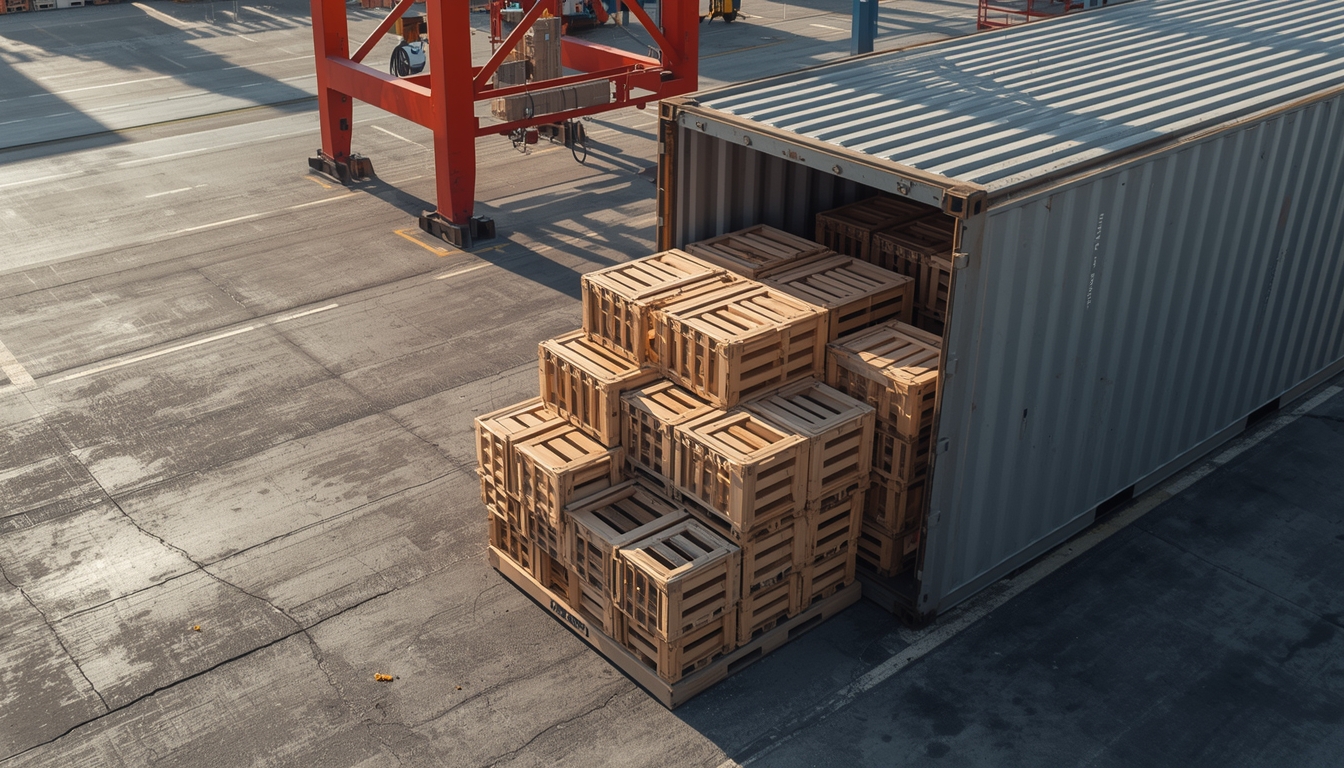
Shipping is calculated by CBM (cubic meters), not by the number of pieces. A standard 20 ft container holds roughly 25-28 CBM, while a 40 ft high-cube container can accommodate between 55-65 CBM.
For a whole-house project, a 40 ft high-cube is usually the most efficient way to move everything from sofas and beds to dining tables and lighting in one go. You can use our CBM calculator to estimate how much space your order will occupy.
| Item Category | Typical Foshan Tier | Est. Quality Level | Best Sourcing Location |
|---|---|---|---|
| Ultra-Luxury | Louvre (Lecong) | Patented/Designer | Lecong Malls |
| Premium | Sunlink North | High-end Brand | Lecong/Sunlink |
| Mid-to-High | Empire | High Quality | Lecong/Empire |
| Budget/Mid | Sunlink South | Variable | Sunlink South |
What are the shipping timelines and logistics steps?
Plan for a 3 to 4-month window from the moment you place your order to the day it arrives at your door. Production typically takes 30 to 60 days, followed by sea transit which takes roughly 2 to 4 weeks to reach the US West Coast or Australia.
The process follows this sequence:
- Production (30-60 days)
- Inspection and balance payment
- Port loading and customs export
- Sea freight (2-4 weeks)
- Destination customs clearance and local delivery
A single mistake in a fabric code or a dimension can delay an entire room's move-in date; always verify every specification against your architect's plan before signing off.
What are the tariff implications for my home?
Tariffs vary significantly based on the specific product code (HS Code). For US buyers, be aware of Section 232 tariffs, which as of October 2026, stand at 25% on upholstered wooden furniture and kitchen cabinets, with scheduled increases in 2027.
For our Australian clients, many furniture goods can enter at 0% duty under the ChAFTA agreement, provided you have a valid certificate of origin, though the 10% GST still applies. Always consult a licensed customs broker for your specific items. You can use our US tariff calculator or our Australia import duty calculator to get a head start on your budgeting.
Key takeaways
- Specify everything: From hinge brands to leather thickness, if it isn't written, it won't be built.
- Tiered shopping: Use Louvre for inspiration and high-end pieces, but look to Sunlink North or factories for better value on custom orders.
- Verify payments: Only pay into verified company accounts as per your formal invoice.
- Time it right: Account for Chinese New Year (late Jan to mid-Feb) when factories shut down, and plan 4 months for total delivery.
- Inspect before shipping: Never pay the final balance until a physical inspection has confirmed the goods match your specifications.
Questions buyers ask
Can I resize an Italian-mould sofa?
Usually, no. If a factory uses a specific mould for a curved or designer shape, the size is fixed. Resizing that mould is expensive and often not possible for small orders.
Is it better to buy a full container or share one?
For a whole-house furnishing (8-25 rooms), a full container (FCL) is almost always better. It is more secure, easier to manage, and more cost-effective per item than a shared container (LCL).
Why are my shipping costs so high?
Shipping costs include the freight, port fees, customs clearance, and "last mile" delivery to your home. For luxury items, we also factor in specialized crating to prevent damage to stone or glass.
What if the furniture arrives damaged?
This is why we insist on pre-loading inspections. If damage is caught in China, it is a factory problem. If it is caught at your door, it is a much more expensive insurance and logistics problem.
SVIKARR's team in Foshan is on the ground to bridge the gap between your design vision and the factory floor. We handle the sourcing, the technical specifications, the inspections, and the logistics so you can focus on your move-in date.