Stay ahead of global trade shifts. We explain how rising freight rates, solar tariff rushes, and AI chip restrictions impact your luxury furniture imports.
Global trade is shifting rapidly due to new tariff deadlines and rising shipping costs. For homeowners importing luxury interiors, these movements mean you may face higher freight rates or a sudden rush in production as buyers try to beat upcoming US duties. SVIKARR tracks these fluctuations in Foshan to ensure your project timelines and budgets remain predictable.
Why are freight rates and shipping revenues rising?
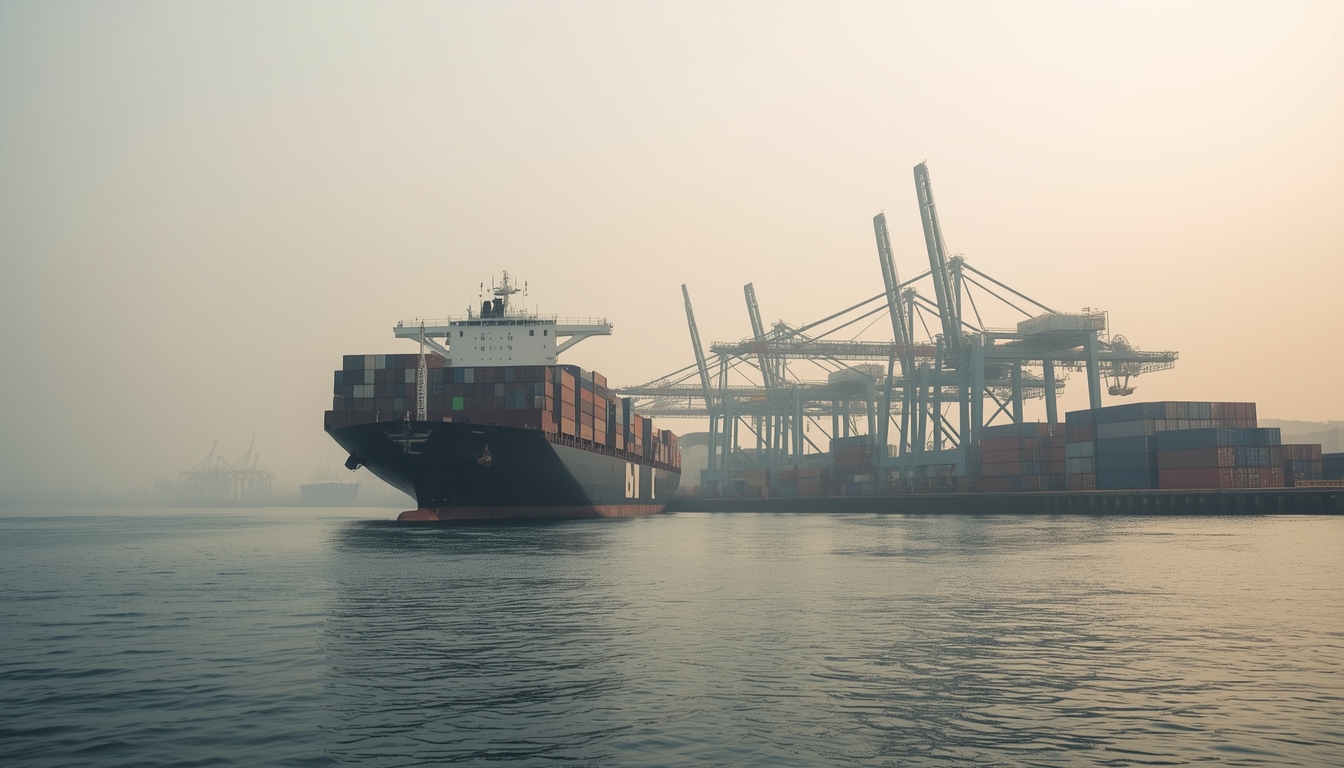
Freight rates are increasing, leading to significant revenue jumps for major shipping lines. For example, ZIM reported that its third-quarter 2026 revenues reached US$2.71 billion, a 53% increase compared to the US$1.78 billion reported in the same period in 2025, driven largely by higher freight rates [FreshPlaza].
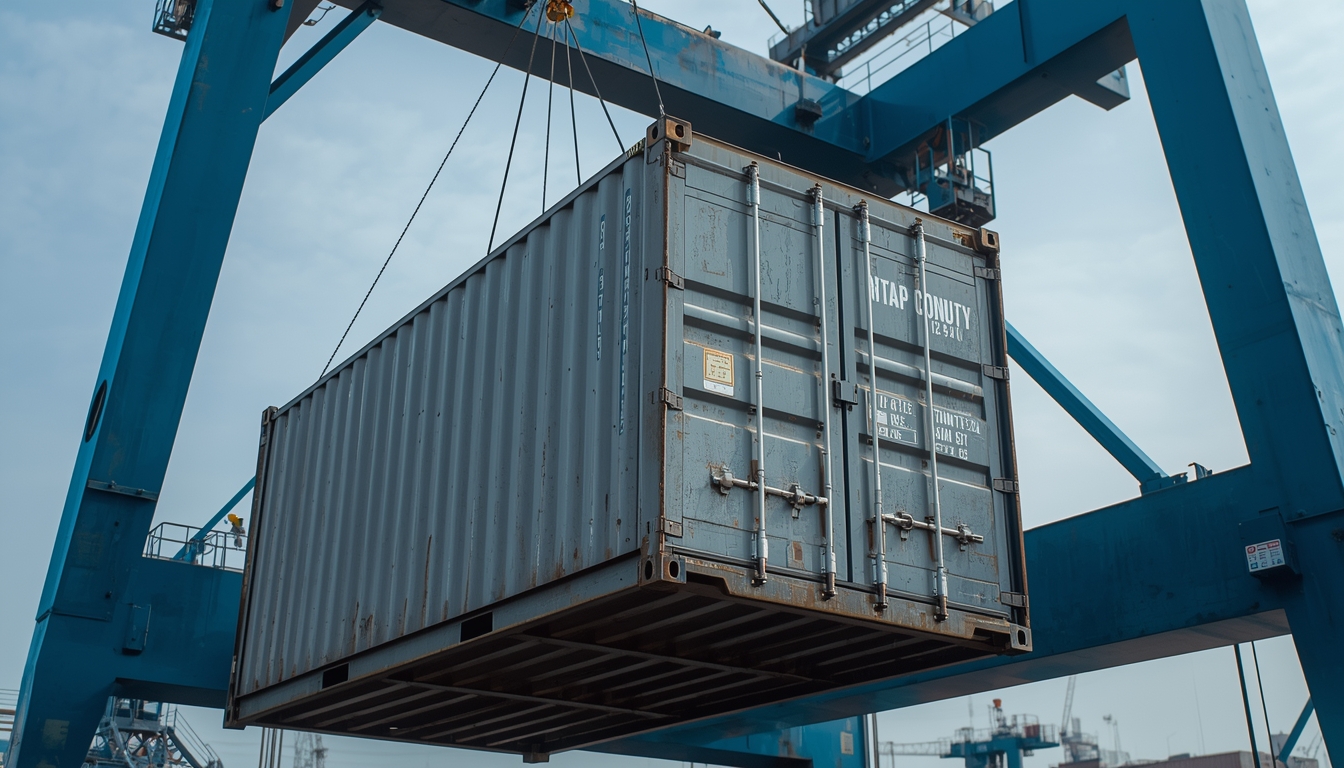
When shipping companies see a surge in demand or market volatility, they adjust rates upward. For a client furnishing a whole home, this means the "landed cost" of your sofa or dining table can fluctuate between the time you sign your production contract and the time your container is ready to load. We recommend factoring a buffer into your shipping budget to account for these sudden shifts in the maritime market.
How are US tariffs influencing Chinese export volumes?
Buyers are rushing to complete orders before new tariff deadlines take effect. A clear example is seen in the solar sector, where China's solar cell exports expanded for a second consecutive month in October as overseas buyers moved to stock up before US tariffs on polysilicon are implemented in early December [Bloomberg].
While this specific news concerns solar cells, the pattern is identical for furniture and building materials. When a tariff increase is announced, we often see a "rush to ship" in the Foshan markets. Factories become extremely busy, and shipping space becomes scarce. If you are planning a move-in for late 2026 or early 2027, you must account for these cycles. Missing a shipping window by just two weeks could mean your kitchen cabinets or upholstered furniture hit the port under a higher duty bracket.
What is happening with China's trade relationship with Europe and the US?
China's import patterns are changing, with growth in imports from East Asia outpacing those from Europe. Recent data indicates that while China's overall imports are surging, its demand for European goods has seen a relative slowdown, even as total import volumes rise [South China Morning Post].
Simultaneously, the US is tightening restrictions on high-tech goods, such as AI chips, which has created a complex landscape for Chinese tech firms [Wall Street Journal]. For the luxury furniture buyer, the "takeaway" isn't about semiconductors, but about the stability of the manufacturing ecosystem. The "unstoppable" nature of China's export machine, despite Western tariffs, suggests that the supply chain for high-end goods remains robust [Bloomberg].
How do these trends compare across different regions?
The global trade landscape is highly fragmented. While the US and China navigate tariff tensions, other regions are seeing massive growth in different sectors.
| Region/Sector | Key Trend (Late 2026) | Impact on Buyers |
|---|---|---|
| US-China Trade | Increasing Tariffs | Higher landed costs |
| Malaysia (E&E) | Record Export Highs | Tech supply stability |
| Russia-Asia | Asia takes 76% share | Shift in energy trade |
| South Korea | $1T+ Export Milestone | Tech/Defense growth |
Our experience on the ground in Foshan
During our time in the Lecong markets, we see the "tariff rush" firsthand. When news breaks about potential Section 232 or 301 increases, the atmosphere in the showrooms changes. Factories in the surrounding areas, like those in Longjiang, see a massive spike in orders for upholstered goods as clients try to secure production slots.
We recently observed a client who delayed their wardrobe order by only three weeks to "wait for better shipping rates." Those rates actually rose due to the seasonal surge, and the delay pushed their delivery past a new tariff implementation date. It is always more cost-effective to plan your production timeline around the trade calendar rather than trying to time the market.
Never schedule your move-in date based on "hopeful" shipping rates; always build a 4-week buffer into your timeline to account for maritime volatility.
Key takeaways
- Freight Volatility: Shipping companies like ZIM are seeing massive revenue growth due to rising rates, meaning your shipping budget needs to be flexible.
- The Tariff Rush: Much like the solar industry, furniture buyers often rush orders before US tariff deadlines, which can lead to factory bottlenecks.
- Supply Chain Resilience: Despite geopolitical tensions and chip restrictions, China's manufacturing and export capacity remains a dominant global force.
- Planning is Critical: Use a landed cost calculator to understand how tariffs and shipping will affect your final budget.
Questions buyers ask
Will my furniture be more expensive because of the US-China trade war?
Not necessarily, but the "landed cost" may increase due to tariffs. While a factory in Foshan might keep its price stable, the duties applied at the US port can change significantly based on current Section 232 or 301 regulations.
How can I avoid shipping delays during peak trade periods?
The best way is to avoid the "rush" periods. We recommend finalizing your specifications and paying your deposit at least 4 to 5 months before your required move-in date to navigate production and shipping cycles smoothly.
Does a rise in shipping rates mean I should buy less from China?
Not if you are looking for specific luxury quality at a better price point. Even with higher freight rates, the savings compared to US retail markups for the same quality of goods (like Minotti or B&B Italia style) usually remain substantial.
We help you navigate these complexities by managing every detail of your sourcing and logistics. From verifying factory specifications to overseeing the final loading of your container, we ensure your luxury interiors arrive as planned.
Sources
- Innovation stagnation: why China keeps buying less from Europe amid overall import surge, South China Morning Post on MSN, 2026-11-19
- China’s AI Firms Are Addicted to Nvidia Chips. Now They Are Facing Withdrawal., The Wall Street Journal on MSN, 2026-11-19
- Malaysia's exports hit a record high in October as E&E shipments drove trade, tradersunion, 2026-11-19
- China Solar Cell Exports Rise for Second Month on Tariff Rush, Bloomberg, 2026-11-19
- Carney on China, Taiwan and Canola: The Trade Data, vornews, 2026-11-19
- US Approved 880,000 AI Chips For China. Pentagon-Linked Firms On List., International Business Times on MSN, 2026-11-19
- Why China’s Export Machine Seems Unstoppable, Bloomberg, 2026-11-19
- South Korea tops $1 trillion in exports, targets new industries, UPI, 2026-11-19
- Asia takes 76% of Russia's trade as nine-month turnover rises 14%, Yahoo Finance, 2026-11-19
- ZIM revenue rises 53% as freight rates increase, FreshPlaza, 2026-11-19