US container imports hit a record 2.67 million TEU in October. Learn how surging Chinese shipments and trade tensions impact your luxury furniture sourcing.
US container imports reached an all-time high in October 2026, driven by a massive surge in shipments from China. For homeowners building luxury estates, this volume means the supply chain is moving fast, but it also suggests potential delays at ports. SVIKARR monitors these logistics shifts in real-time to ensure your furniture and building materials arrive in time for your move-in date.
Why are US container imports hitting record levels?
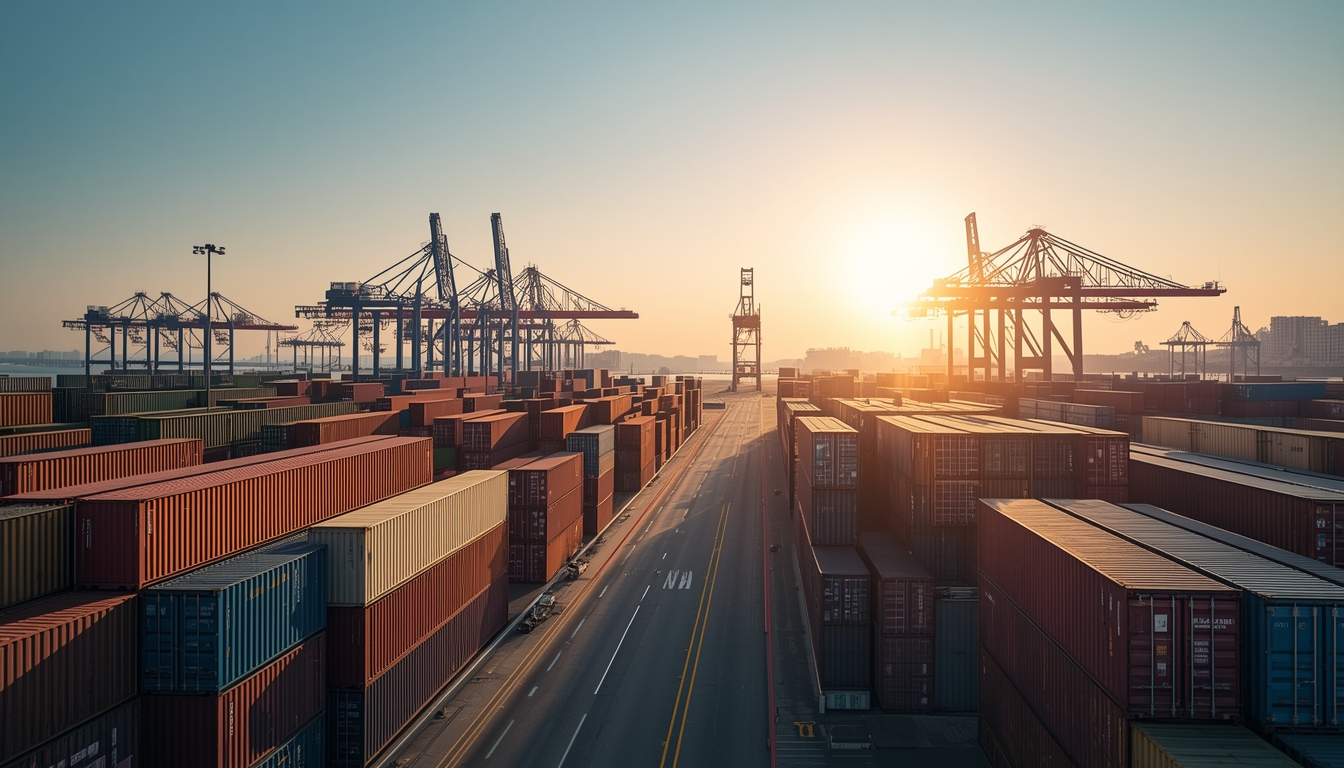
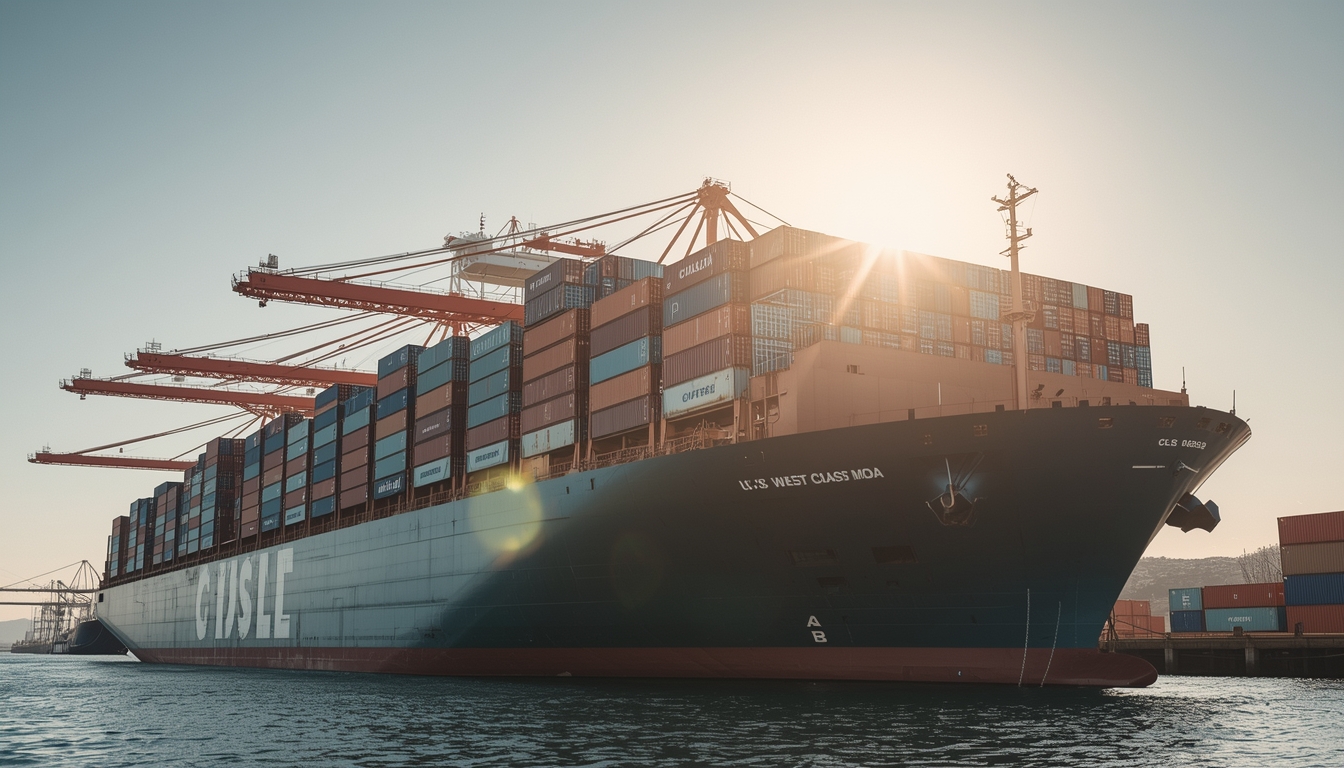
US ports handled a record 2,674,808 TEUs in October, a 16% increase compared to October 2025, according to Reuters. This surge is fueled by a significant spike in cargo from China, which alone accounted for 987,805 TEUs this month, as reported by Descartes.
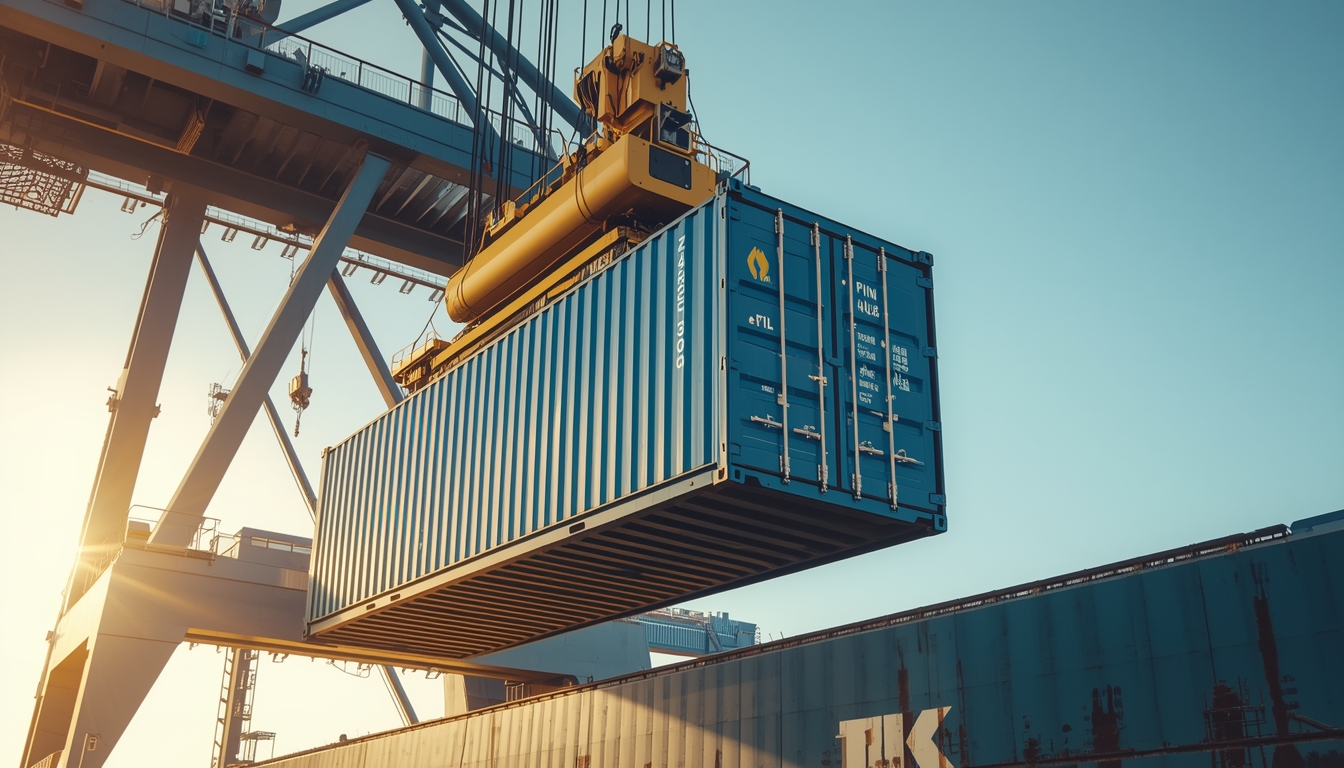
While the volume of goods is impressive, it reflects a "pull-forward" effect where importers move cargo quickly to get ahead of potential trade policy shifts. For a luxury client, this means the "standard" shipping windows we discuss might change. When ports are this busy, the risk of congestion at the terminal increases, which can add days or even weeks to the final leg of your delivery.
Does the surge in Chinese imports mean prices will rise?
Increased shipping volumes often lead to more competitive freight rates due to economies of scale, but high demand can also trigger sudden price spikes. While the record volume is a sign of a strong trade relationship, the complexity of US-China trade relations remains a variable for your total landed cost.
The current landscape is a mix of high volume and high tension. While we see record-breaking numbers of containers coming from Chinese manufacturing hubs like Foshan and Guangzhou, the diplomatic atmosphere is shifting. As Shenzhen hosts APEC leaders, the focus on next-gen Chinese startups banking on foreign buyers is intense. This means the factories making your custom sofas or marble slabs are working at high capacity to meet global demand, even as trade discussions continue.
How do trade tensions affect my luxury furniture orders?
Trade tensions primarily impact your budget through tariffs and duty rates rather than the availability of the goods themselves. As of November 2026, buyers must remain vigilant about specific product codes, particularly for upholstered furniture and cabinetry.
It is important to distinguish between general trade news and your specific order. While headlines discuss "chokeholds" in pharmaceuticals or electronics, your furniture and building materials fall under different regulatory umbrellas. However, the volatility in the political climate often leads to "pre-emptive shipping," where buyers rush orders to beat potential new tariff implementations. If you are planning a project for mid-2027, we recommend finalizing your production specifications now to avoid the uncertainty of upcoming duty cycles.
| Category | Foshan Sourcing | Local US/AU Retail | Impact of High Volume |
|---|---|---|---|
| Sofa (Custom) | $5,000 - $15,000 | $25,000 - $60,000 | High availability |
| Lighting (Guzhen) | $2,000 - $10,000 | $10,000 - $40,000 | Potential port delays |
| Stone/Tiles | 40% - 60% savings | Premium markup | Heavy weight logistics |
| Logistics | Managed via SVIKARR | Included in price | Variable freight rates |
What should I watch out for in the shipping process?
The biggest risk during record-breaking import months is not the availability of the product, but the precision of the logistics and the quality of the documentation. When ports are overwhelmed, "small" errors in paperwork can lead to significant delays in customs clearance.
In our experience at the Foshan docks, we see that during peak months, the pressure on loading crews is immense. This is why we insist on a rigorous inspection process before the container is sealed. We don't just check if the sofa looks right; we check that the crate is reinforced for the extra handling that often occurs in high-volume ports. If a container is moved multiple times due to port congestion, poorly packed items are the first to suffer damage.
If you see a massive spike in shipping news, use it as a signal to finalize your production specifications and lock in your shipping window early.
How does this affect my project timeline?
A record-breaking month for imports typically means you should add a "buffer week" to your estimated arrival date. While sea transit from China to the US West Coast or Australia remains roughly 2 to 4 weeks, the time spent sitting in a terminal can increase when volumes hit these record highs.
We suggest planning your furniture and building material orders at least 4 months before your move-in date. This allows for:
- 30 to 60 days for factory production.
- 1 to 2 weeks for local loading and documentation.
- 4 weeks for sea transit.
- 2 to 3 weeks for customs clearance and final mile delivery.

Key takeaways
- US container imports hit an all-time record in October 2026, showing massive demand for Chinese goods.
- High volume can lead to port congestion, meaning you should add a buffer to your delivery timeline.
- Trade tensions and tariff discussions are ongoing; confirm your specific duty rates with a broker.
- Quality control is more critical than ever during peak shipping seasons to prevent damage during extra handling.
- Plan your whole-house furnishing at least 4 months in advance to account for logistics volatility.
Questions buyers ask
Will these record imports make shipping more expensive?
Not necessarily. High volumes can drive down container rates through competition, but if the ports become too congested, "congestion surcharges" may be applied by shipping lines. We always provide the most current freight estimates to avoid surprises.
Should I rush my order to beat potential tariffs?
If your project timeline allows, it is often wise to secure your production slot and shipping window early. While we cannot predict specific tariff changes, moving your order into the production phase now reduces the risk of being caught in a sudden policy shift.
Does this high volume affect the quality of goods?
The volume of trade does not dictate quality, but the pace of production can. This is why SVIKARR performs on-site inspections at the factory in Foshan or Longjiang to ensure that the "rush" to meet global demand doesn't lead to shortcuts in material thickness or hardware brands.
If you are managing these complex trade shifts, our team in Foshan is here to help. We handle everything from factory inspections to final door-to-door delivery. You can learn more about how SVIKARR works, from sourcing plan to delivery to see how we protect your investment.
Sources
- In APEC host Shenzhen, China’s next-gen startups still bank on foreign buyers, Reuters on MSN, 2026-11-11
- As China’s futuristic city hosts Trump, its startups bank on foreign buyers, Reuters, 2026-11-11
- Building at home, yet buying more from China? India’s manufacturing push meets an import paradox, The Print on MSN, 2026-11-11
- US Container Imports Hit Record 2.67 Million TEU in October; Shipments from China Jump 22.9%, finance.biggo, 2026-11-11
- Global Shipping Report: October U.S. Container Imports Hit Record Volume, Hellenic Shipping News Worldwide, 2026-11-11
- China’s Other Global Chokehold: Pharmaceuticals, The Epoch Times, 2026-11-11
- US container imports hit October record as shipments from China rise, Descartes says, Mezha, 2026-11-11
- US container imports set all-time volume record in October as Chinese imports spike, Descartes says, Reuters on MSN, 2026-11-11
- Trade Expands Despite Diplomatic Tensions Between China and Japan; Chinese Imports from Japan Rise 26%, JKN News, 2026-11-11
- From Mines to Factories: What China’s Investment Shift in Africa Means for Shipping, xindemarinenews.com, 2026-11-11