The costly first-time mistakes when importing furniture from China: no written spec, fake Italian leather, risky deposits, late orders and duties.
Most first-time importers lose money in the same few places: they order from photos instead of a written specification, accept "Italian leather" at Chinese prices, pay too much before anyone inspects the goods, and order too late for Chinese New Year. SVIKARR's team in Foshan sees these mistakes on whole-house orders every season. Each one is avoidable before you pay a deposit, and fixing them usually costs a few hours of paperwork, not money.
Why does the piece that arrives differ from the one I saw?
Because nobody wrote down what you saw. A photo and a price on WeChat aren't a contract, and a factory will fill every gap in the brief with whatever is cheapest that month.
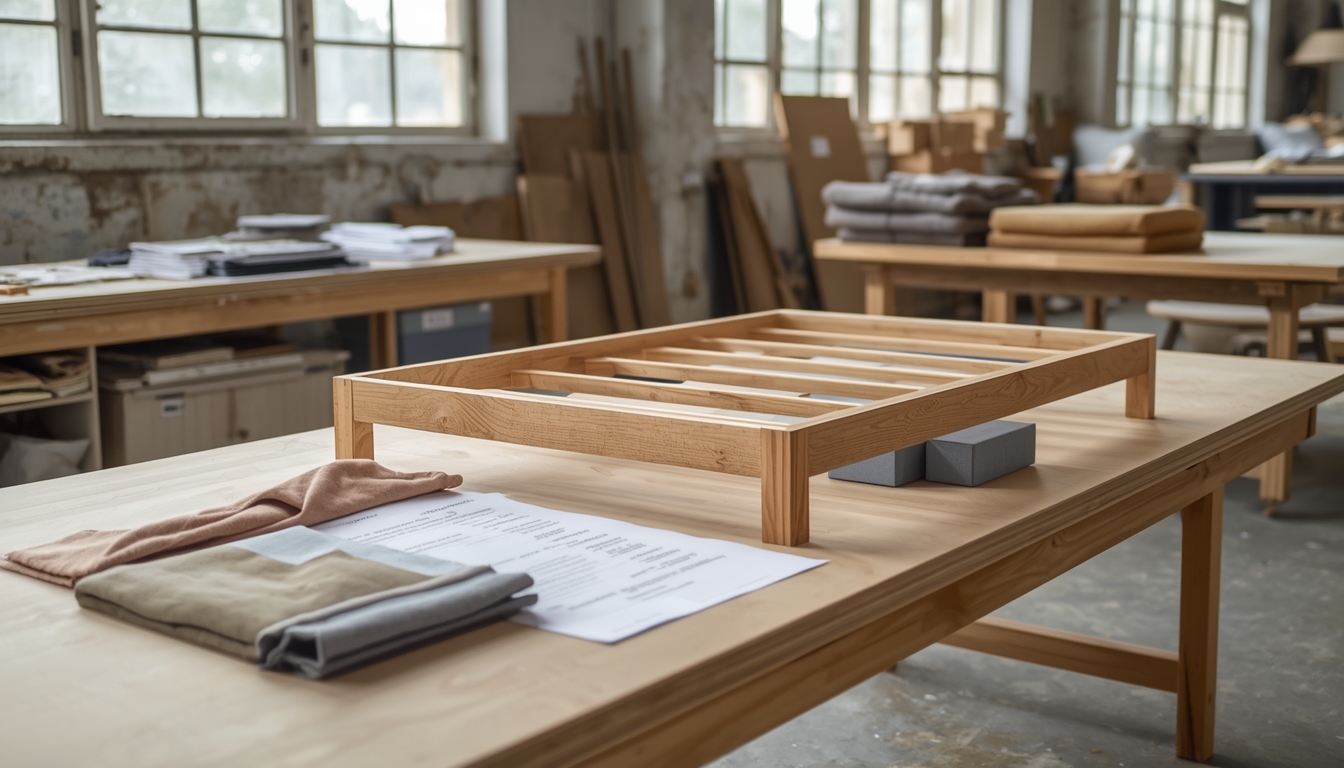
The classic version is the sample-versus-bulk switch. The showroom sofa has a plywood frame, high-density foam and Blum hinges in the matching media unit; the production run arrives with MDF, softer foam and generic hardware. Nothing was technically promised, so there's nothing to claim.
Our rule on every order is simple: write everything down. Each piece gets a specification with its sizes in millimetres, frame material, foam density, fabric or leather code, finish colour, hardware brand and packing method, and both sides sign it before production starts. If it isn't in that sheet, assume it will drift.
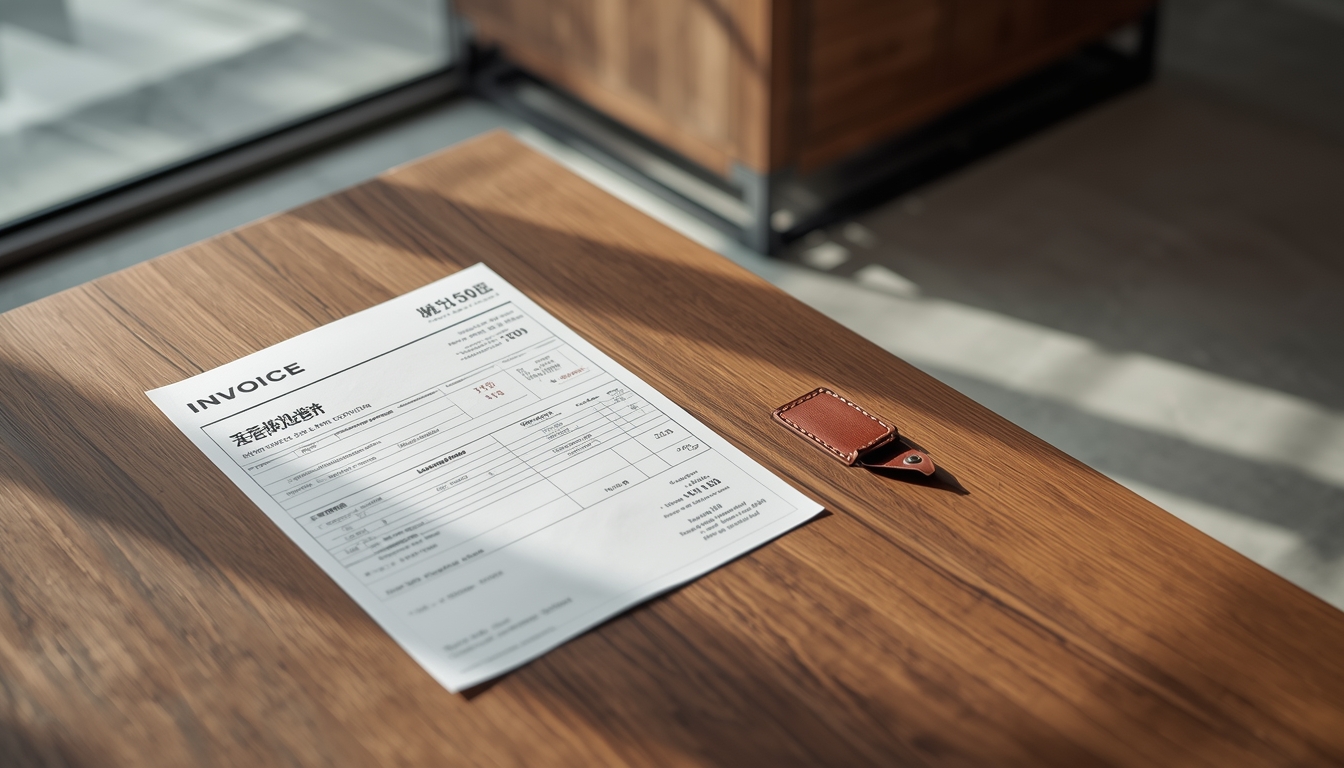
Before you pay any deposit, ask the factory to sign a specification that names the frame material, foam, hardware brand and finish code for every piece.
Is "Italian leather" at a Foshan price ever real?
No. When "Italian leather" is quoted at the price of Chinese leather, it isn't Italian. Real Italian leather costs about three to four times more, is softer and ages well, and it's bought by the whole hide, not by the metre like artificial leather.
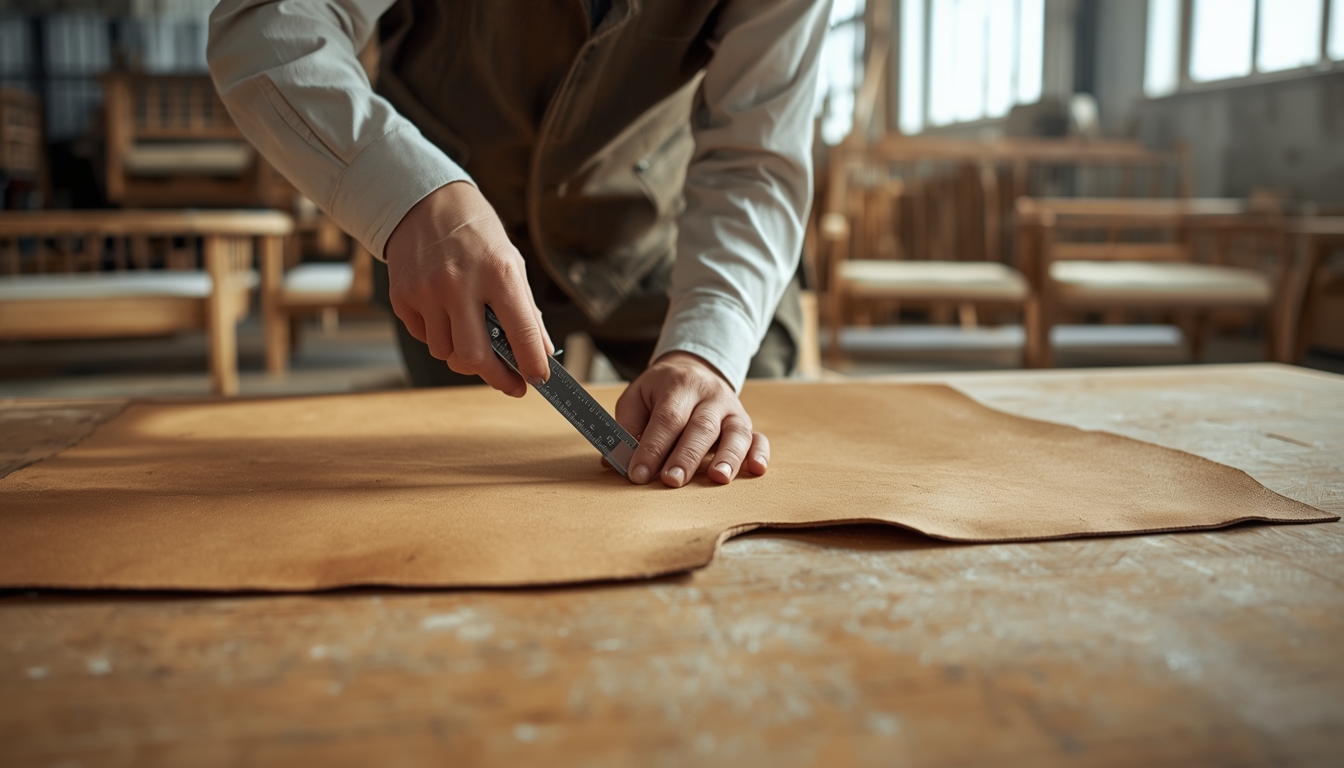
Thickness tells you a lot. Good upholstery leather is about 1.0 to 1.6 mm; ultra-premium hides run to about 2 mm. Full-grain leather isn't sanded, so you can see its pores, and it breathes better than corrected grain. Some thick leathers also won't stitch cleanly on slim dining chairs, which is worth knowing before you choose a chair with a tight profile.
The only way to know which leather went into your sofa is to check it at the factory during production. Once the piece is upholstered and wrapped, nobody can tell you what's under the stitching.
Can any sofa be made to my size?
Not always. Many sofas in Foshan are built on Italian moulds, and the mould fixes the size; at low order quantities the factory often can't resize the piece, or charges noticeably more to do it.
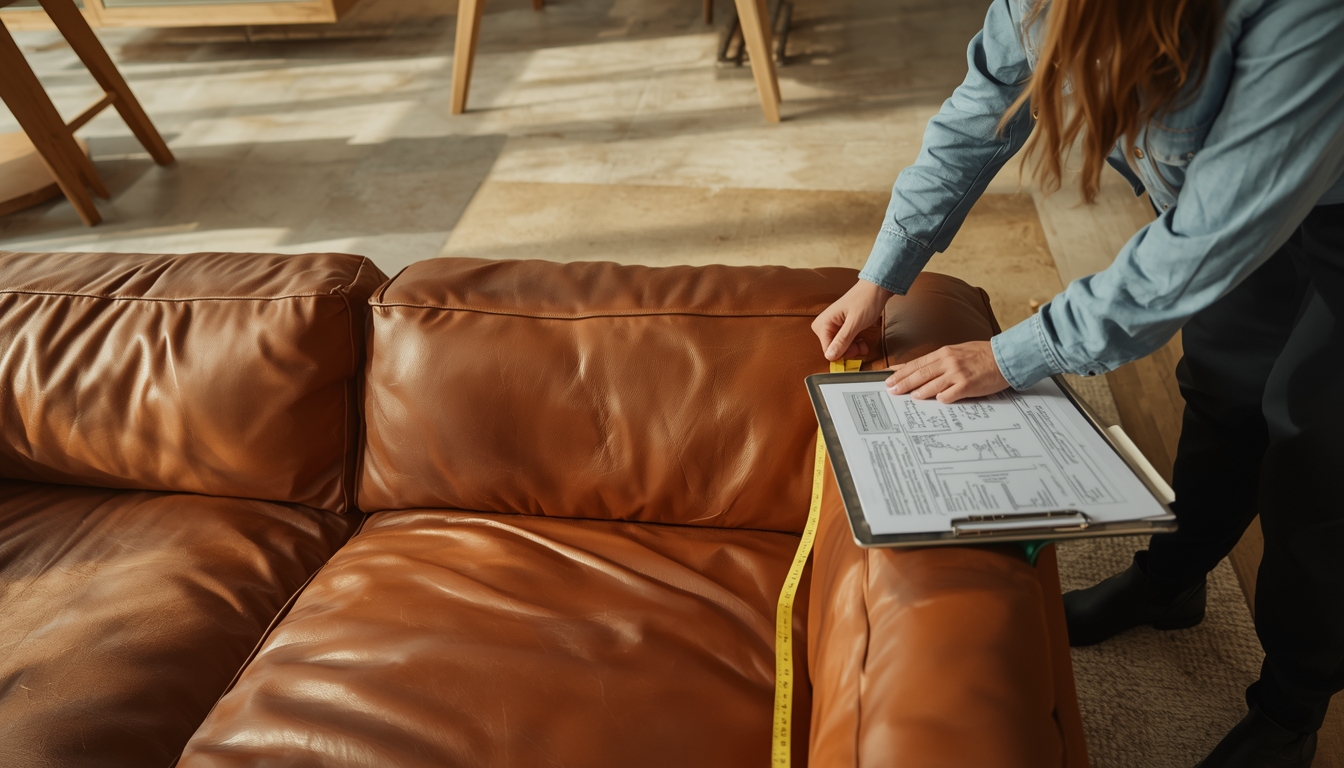
First-timers find this out after they've fallen for a design. Ask early whether the model is mould-based, which dimensions can change, and what the change costs. Then measure the room, the front door, the stair turn and the lift the piece has to pass through. A long sectional that can't get past a 90 cm doorway is a costly lesson.
Which mall in Foshan should I buy in?
Choose the style at the top of the market, then buy the same quality of make one tier down or at the factory. Paying Louvre prices for everything is the most expensive first-timer habit we see; shopping only at the budget end is the riskiest.
| Mall | Tier | Typical price | How we use it |
|---|---|---|---|
| Louvre, Lecong | Ultra-luxury, patented designs | Often above ¥30,000 a piece | Choose the style |
| Sunlink North | High quality, fair price | Sofas and beds from ¥8,000 | Where we usually buy |
| Empire | High quality | A little cheaper | A good second option |
| Sunlink South | Budget to mid | Varies widely | Good makers, but dig |
Some of the best makers aren't in a mall at all. Within 10 to 15 km of the Lecong markets there are factories building ultra-luxury beds, sofas and dining sets; one on Jiujiang Avenue makes a lifting, massage smart mattress of about seven layers that sells for around ¥40,000. Our Foshan furniture market map shows where each tier sits.
A price that looks too good to be true is exactly that. What you pay is what you get, and the gap usually hides in the frame, the foam or the finish.
When should I pay a Chinese factory, and how much?
Pay a deposit of 30 to 50% to start production and the balance only after the goods pass inspection, before they ship. Our own rule is 40% for furniture and 50% for wardrobes, because wardrobes are cut to your drawings and can't be resold.
The mistakes here are predictable. Paying 100% up front gives away your only hold over the order. Paying into a personal account, or to new bank details that arrive by email halfway through the order, are the classic ways buyers lose a deposit. A quote that changes after the deposit, or a contact person who suddenly changes, is a reason to stop and check.
We've written a full guide on the safest way to pay a furniture factory in China, including what the deposit invoice should say.
How late is too late to order for a move-in date?
Plan three to four months from deposit to your door, and more if Chinese New Year falls inside that window. Production usually takes 30 to 60 days, and sea transit to the US West Coast or Australia is roughly 2 to 4 weeks, before customs and delivery.
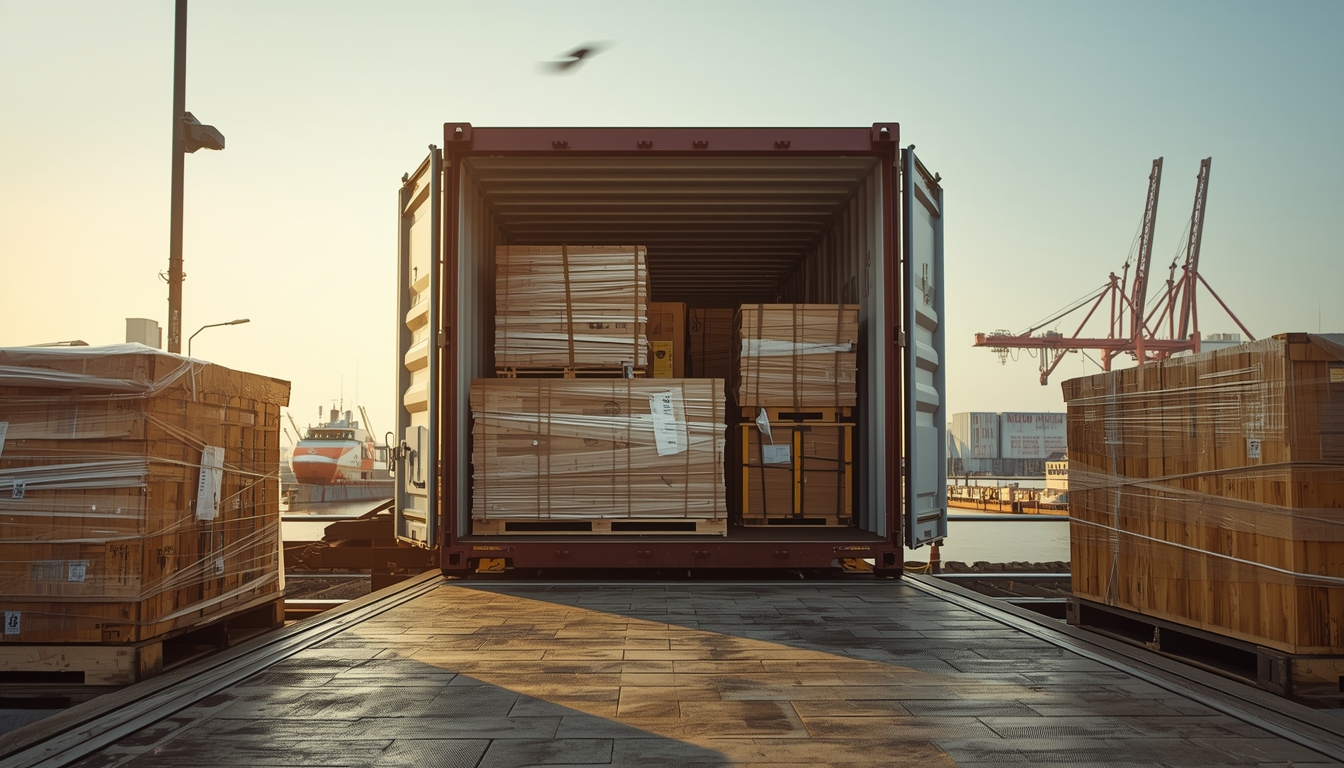
Chinese New Year (late January to mid February) shuts factories for weeks, and they restart slowly. Golden Week, 1 to 7 October, stops work too. A first-time buyer who confirms a whole house in December for an April move-in is usually disappointed. Our move-in order planner counts back from your date and shows the last safe week to order.
What import paperwork catches first-timers out?
Duties and filings, mostly. In the United States, upholstered wooden furniture and kitchen cabinets and vanities have carried a 25% Section 232 tariff since 14 October 2025, scheduled to rise on 1 January 2027 to 30% and 50% respectively, as of October 2026 (STR trade report). Chinese goods can carry other duties on top, including Section 301 and anti-dumping duties on wooden bedroom furniture, so the total depends on each item's tariff code. Check a category with our US tariff calculator, then confirm with a licensed customs broker.
US sea imports also need an Importer Security Filing lodged no later than 24 hours before the container is loaded in China (CBP). Your broker files it, but only if the shipper sends the details in time.
In Australia, many furniture goods from China can enter at 0% duty under ChAFTA, but only with a valid certificate of origin, and 10% GST still applies (DFAT FTA Portal). Timber crates and pallets must meet ISPM-15, and biosecurity checks the rest. Forget the certificate and you pay duty you didn't owe.
Importing isn't right for everyone. A single sofa, a deadline under three months, or a list made mostly of appliances that need a local warranty are all better bought at home.
Key takeaways
- Put every size, material, hardware brand and finish into a signed specification before paying a deposit.
- "Italian leather" at a Chinese price isn't Italian; check the leather at the factory during production.
- Ask whether a sofa is mould-based before you count on resizing it.
- Pay 30 to 50% up front, the balance after inspection, and never to a personal account.
- Allow three to four months door to door, and plan around Chinese New Year.
Questions buyers ask
What is the most common mistake first-time furniture importers make?
Ordering without a written specification. Without one, the factory decides the frame, foam and hardware, and the bulk order can differ from the sample with nothing to claim against.
How much deposit should I pay a Chinese furniture factory?
Usually 30 to 50% to start production, with the balance after inspection and before shipping. We work with 40% for furniture and 50% for wardrobes, paid to the factory's company account.
Do I need a customs broker to import furniture from China?
In practice, yes. Duties depend on each item's tariff code and change often, and in the US the Importer Security Filing must be lodged before the container is loaded. A licensed broker handles both and can confirm the rate before you order.
Is it worth importing furniture for just one room?
Rarely. Freight, customs fees and inspection are spread across the order, so a few pieces carry most of that cost on their own. Importing makes most sense for a whole house or several rooms at once.
If you're furnishing a home from Foshan for the first time, our team here can write the specifications, check the leather and the build in the factory, hold the balance until inspection, and ship to your door, with every price visible in your client app.