A guide to luxury stone trends for high-end homes. Compare travertine, marble, and sintered stone for durability, aesthetics, and sourcing in Foshan.
The current luxury design landscape is dominated by tactile, organic stone surfaces like honed travertine, dramatic veined marble, and high-performance sintered stone. Whether you are aiming for a "quiet luxury" aesthetic or a bold, sculptural statement, choosing the right material depends on its placement, maintenance requirements, and how it handles high traffic. SVIKARR helps you navigate these choices by visiting the stone markets in China Ceramics City and coordinating direct-from-factory orders to ensure the slab you see in a sample is the one that arrives at your site.
What are the main stone trends for luxury homes this season?
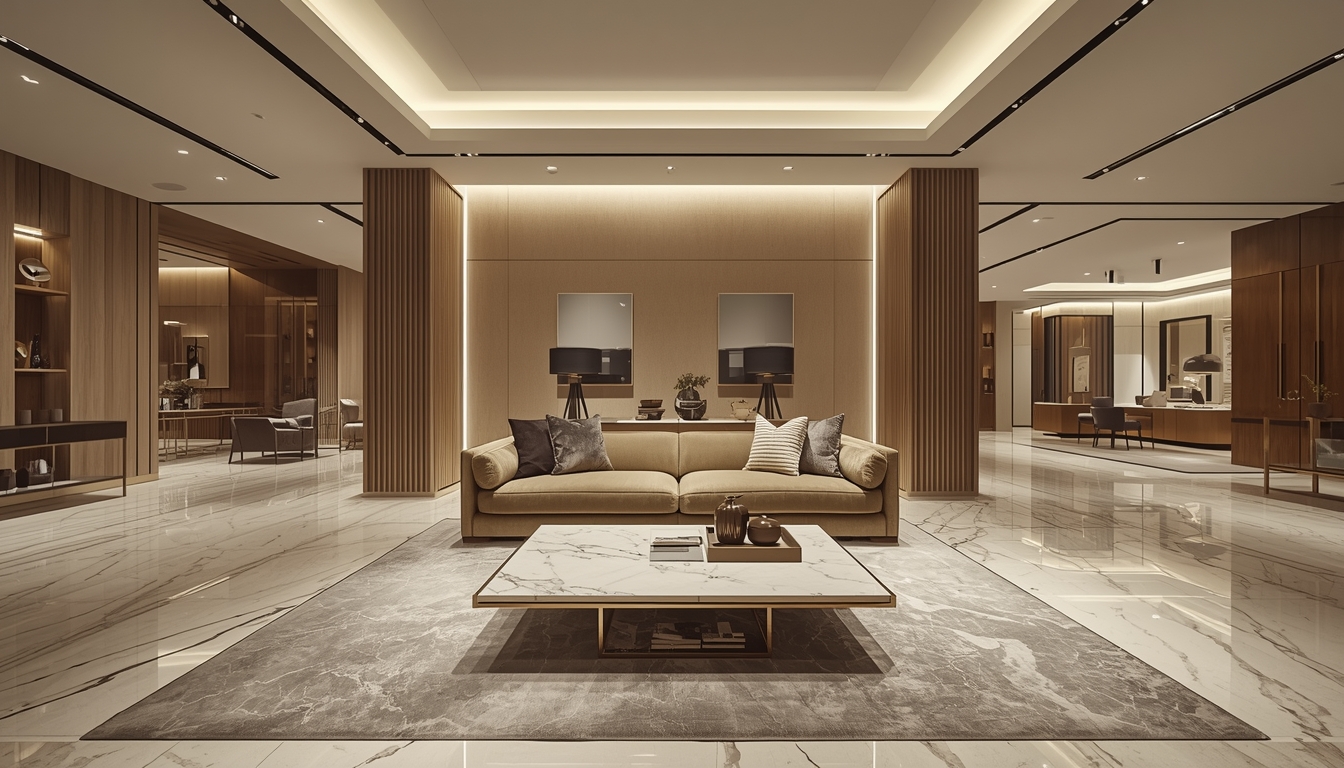
Organic, matte, and heavily textured surfaces are replacing the high-gloss, mirror-finish trends of previous years. Designers are currently specifying large-format slabs that minimize grout lines to create a continuous, monolithic look in primary bathrooms, kitchen islands, and feature walls.
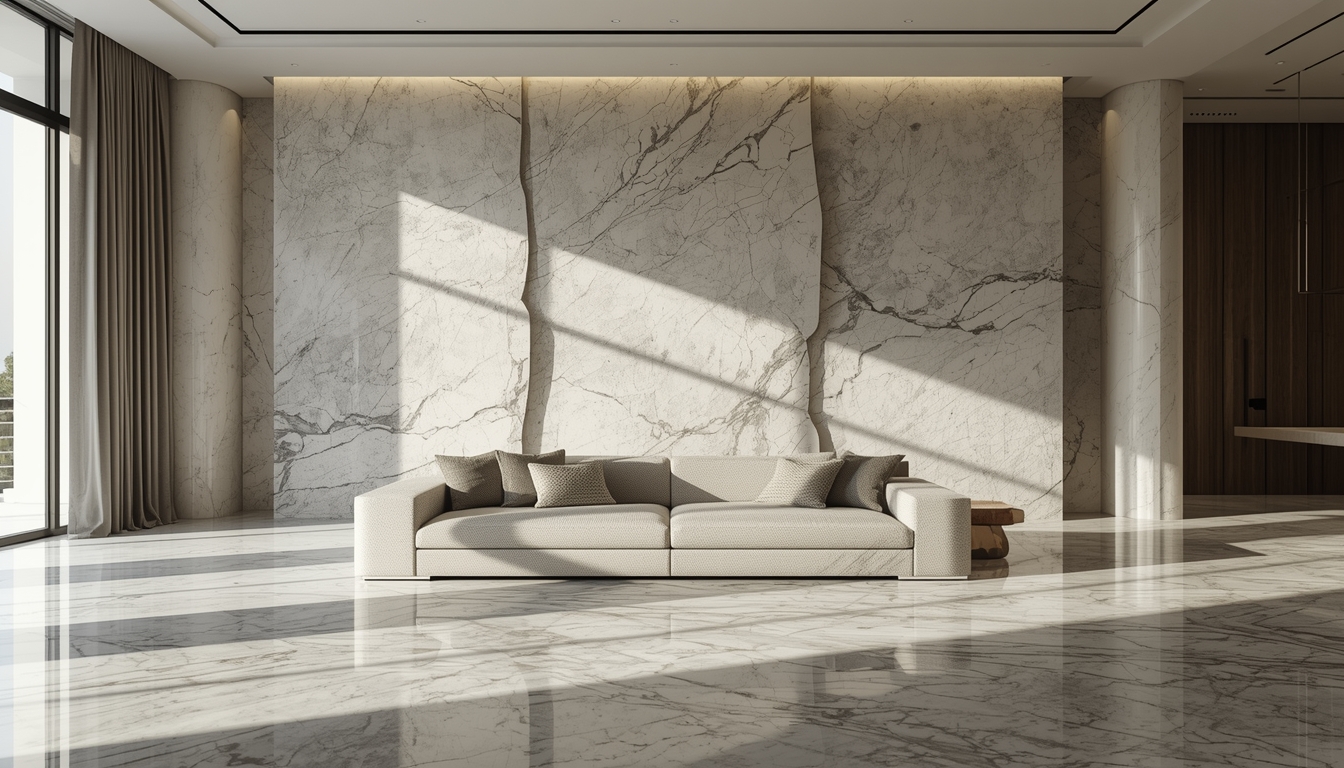
Travertine is seeing a massive resurgence, particularly in "honed" or "unfilled" finishes that emphasize its porous, earthy character. Marble remains the gold standard for elegance, especially in dramatic Calacatta or Arabescato patterns. Sintered stone is the preferred choice for high-use areas like outdoor kitchens or heavy-duty dining tables because it is virtually indestructible.
Is travertine a good choice for high-traffic areas?
Travertine is beautiful but requires careful management because its natural porosity makes it susceptible to staining and moisture. If you choose travertine for a kitchen countertop, it must be professionally sealed, and even then, it is more delicate than marble or sintered stone.
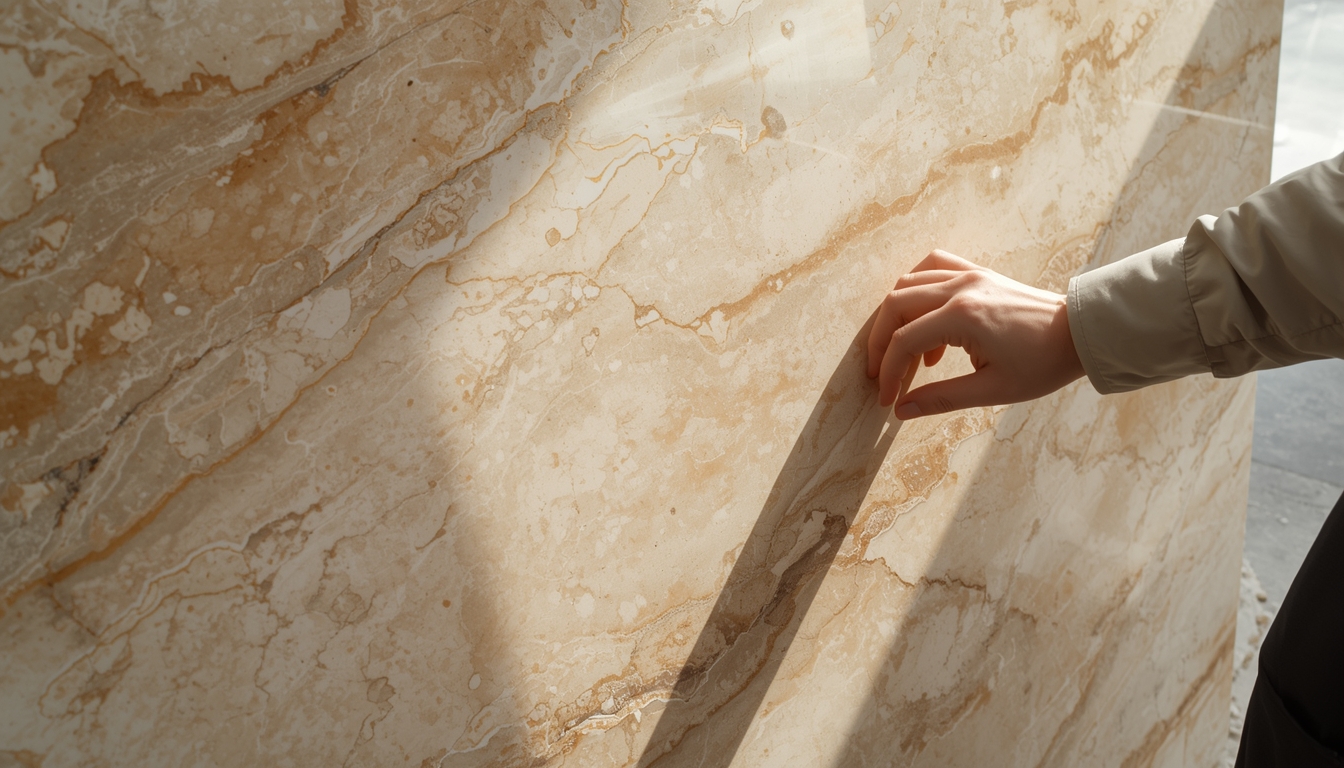
In our experience visiting showrooms in China Ceramics City, we often see travertine offered in two ways: unfilled and filled. Unfilled travertine retains its natural pits and voids, which looks incredible in a low-traffic foyer or a decorative wall panel, but it can trap liquids. Filled travertine uses a resin to plug the holes, making it smoother and easier to clean, which is better for dining surfaces. For a $5 million home where the kitchen is the social hub, we usually recommend travertine for wall cladding or flooring, but suggest a more resilient material for the main island.
How does marble compare to sintered stone for kitchen islands?
Marble offers an unmatched depth of colour and "living" movement that synthetic materials struggle to replicate, but it is chemically sensitive to acids like lemon juice or wine. Sintered stone is a manufactured product made from minerals under extreme heat and pressure, offering much higher resistance to scratches, heat, and stains.
If your design relies on the specific, unique veining of a natural stone, marble is the only choice. However, if you want the look of marble without the fear of etching a permanent white mark from a spilled glass of red wine, sintered stone is the practical luxury alternative. Many of the high-end factories we work with in Foshan can produce sintered stone slabs that mimic the exact patterns of rare marbles with incredible precision.
What should I check when ordering stone from Foshan?
You must verify the slab thickness, the finish (honed, polished, or brushed), and the exact pattern matching (book-matching) before the stone leaves the warehouse. Because natural stone is unique, "sample drift" is a real risk where the bulk order looks significantly different from the small piece you approved.
When we source stone, tiles, and lighting from Foshan, we don't just look at a swatch. We inspect the full slabs in the warehouse to check for fissures, uneven thickness, or colour inconsistencies that only become visible at scale. For marble, we specifically check the "vein flow" to ensure that if you are doing a book-matched installation, the patterns will mirror each other perfectly across the wall.
| Material Type | Durability | Maintenance | Best Use Case |
|---|---|---|---|
| Travertine | Moderate | High | Walls, Foyers, Floors |
| Natural Marble | Moderate | High | Bathrooms, Feature Walls |
| Sintered Stone | Very High | Very Low | Kitchens, Outdoors |
| Quartz | High | Low | Countertops, Vanities |
How do I manage the logistics of heavy stone shipments?
Stone is heavy, fragile, and expensive to ship, meaning it should ideally be part of a larger container load to optimize costs. You must ensure the supplier uses reinforced wooden crates and specialized A-frame packing to prevent cracking during sea transit.
Because stone is often ordered alongside furniture, it is vital to coordinate the arrival. If your stone arrives three weeks before your custom cabinetry, you may face unexpected storage fees at the port or on-site. We recommend planning your stone orders at least 4 months before your move-in date to account for production, crating, and the 2-4 week sea transit to the US or Australia. For more on timing, see our move-in planner around Chinese New Year.
Always request a video inspection of the actual slabs being loaded into the crate to confirm the pattern and quality match your approved samples.
Key takeaways
- Travertine is trending for its organic, matte texture but requires sealing.
- Marble provides unmatched luxury but is sensitive to acidic stains and etching.
- Sintered stone is the most durable option for high-use, high-spill areas.
- Always verify slab thickness and vein patterns in person or via detailed video.
- Coordinate stone arrival with your construction schedule to avoid site delays.
Questions buyers ask
Can I get the "RH look" with sintered stone?
Yes. Many high-end manufacturers in Foshan produce sintered stone with textures and colours that mirror the aesthetic of luxury brands like Restoration Hardware, but with much higher durability for kitchen and outdoor use.
Is it worth importing natural marble from China?
It depends on the source. While some marble is quarried locally, many Foshan suppliers source premium blocks from Italy or Greece and process them in China. This can often provide the same high-end Italian stone at a more competitive price point due to lower local processing costs.
How do I prevent my stone from arriving broken?
The key is the packing specification. Ensure your supplier uses heavy-duty, heat-treated (ISPM-15 compliant) wooden crates and that the stone is secured in A-frames. We always perform a pre-loading inspection to ensure the crating is sufficient for a long sea voyage.
Our team in Foshan visits the stone markets and factories personally to inspect every slab and ensure the specifications match your designer's vision. We handle the heavy lifting of quality control, payment, and logistics so you can focus on your build.