Discover how to source quiet luxury furniture and materials from Foshan. Learn to achieve high-end designer aesthetics through direct factory sourcing.
---
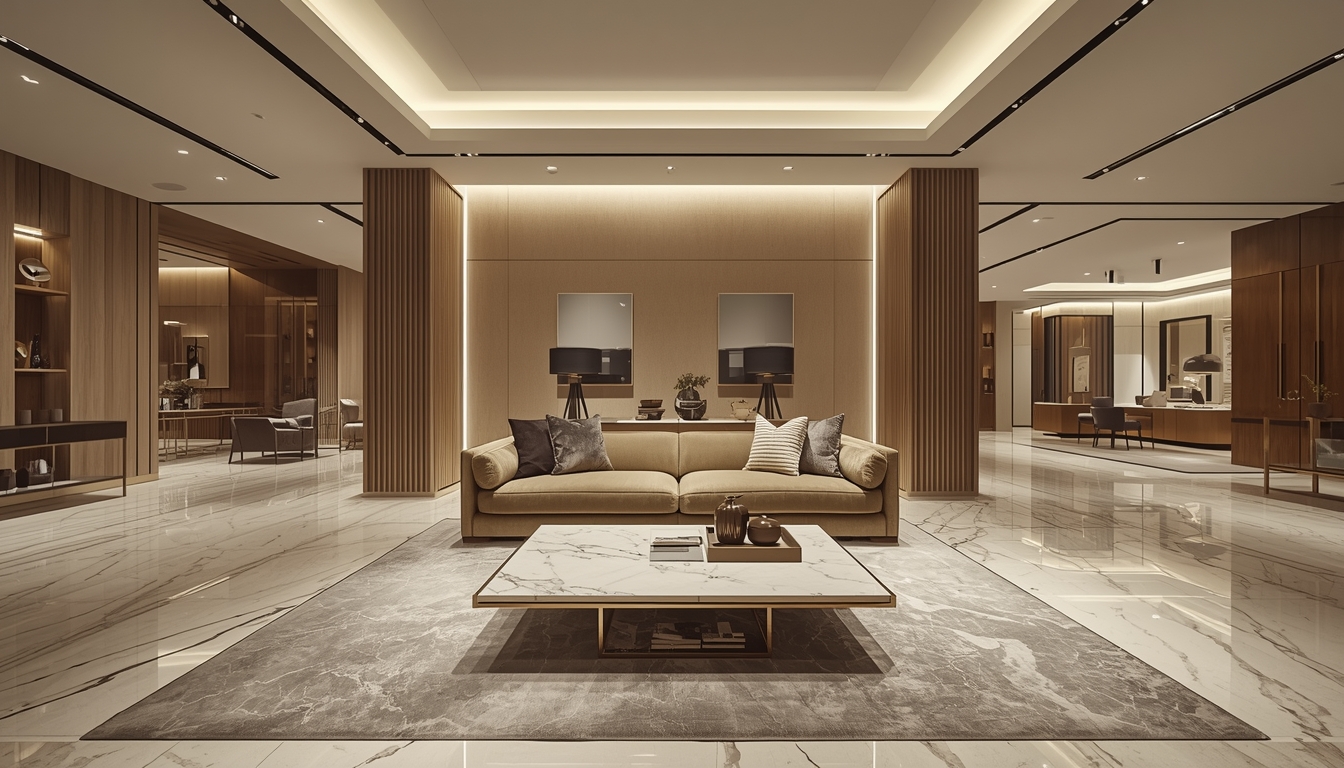
Quiet luxury is defined by tactile, high-quality materials and a restrained color palette rather than overt branding or flashy logos. You can achieve this high-end aesthetic by sourcing custom-made pieces directly from Foshan manufacturers, allowing you to invest in superior materials like full-grain leathers and solid hardwoods without the 300% designer retail markup. SVIKARR helps you navigate this by translating your designer's vision into technical factory specifications, ensuring the "look" is matched by uncompromising structural integrity.
What are the key textures for quiet luxury this season?
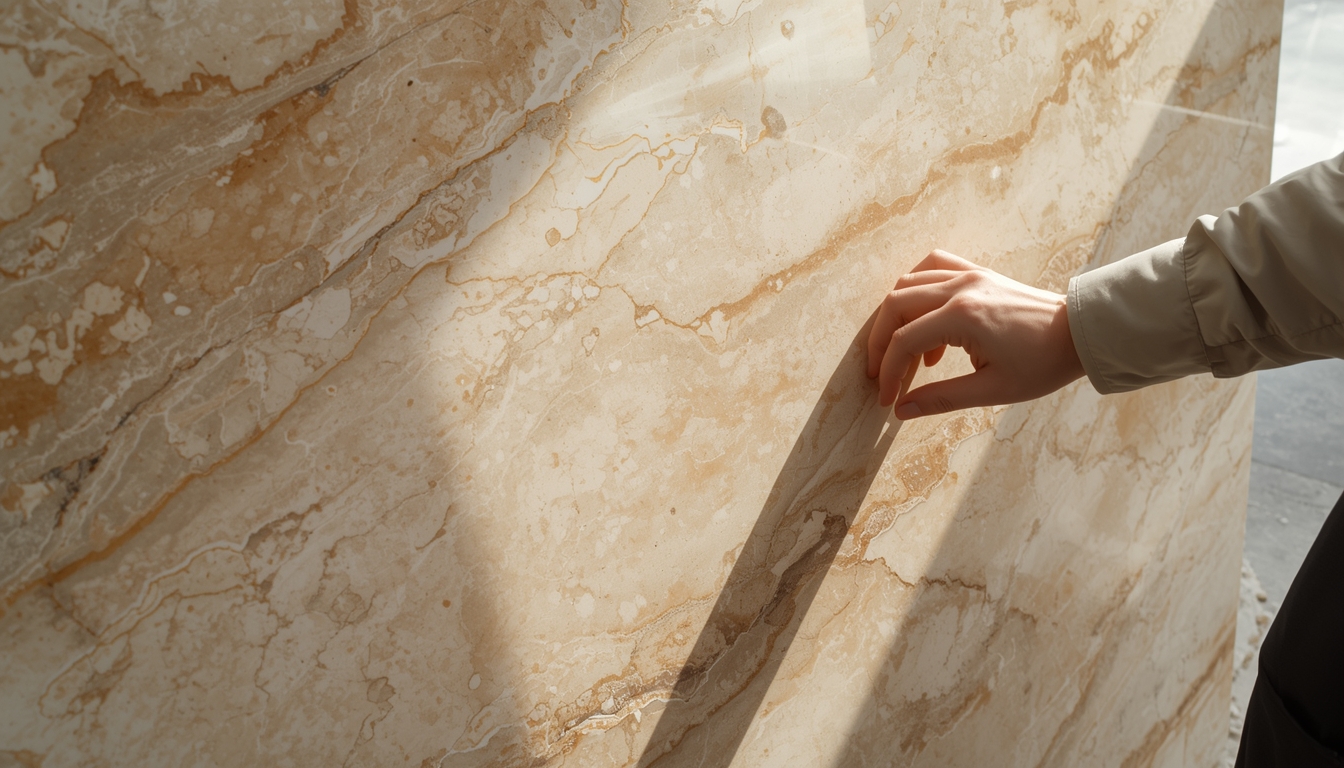
Tactile depth is the foundation of the quiet luxury aesthetic, moving away from high-gloss finishes toward matte, organic, and highly textured surfaces. Designers are currently prioritizing heavy-weight linens, brushed bouclé, and ultra-matte stones like honed travertine or sandblasted marble.
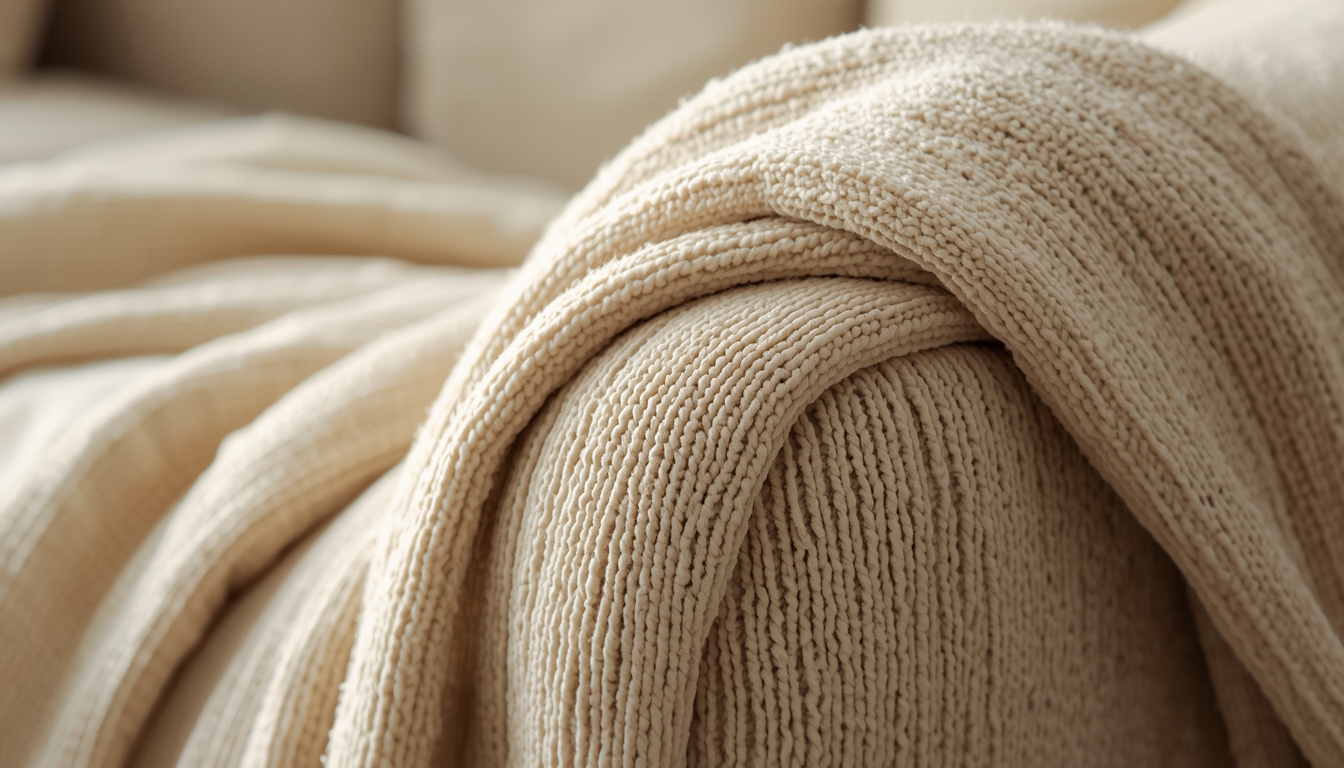
To get this right at the factory, you cannot simply ask for "linen." You must specify the weight (grams per square meter) and the weave density. For stone, specify a "honed" or "leathered" finish rather than a polished one to avoid the cheap, reflective look of low-grade granite. If you are sourcing upholstery, we recommend specifying a high Martindale rub count (at least 40,000) to ensure the texture holds up in high-traffic areas of a large home.
Which color palettes define high-end interiors right now?
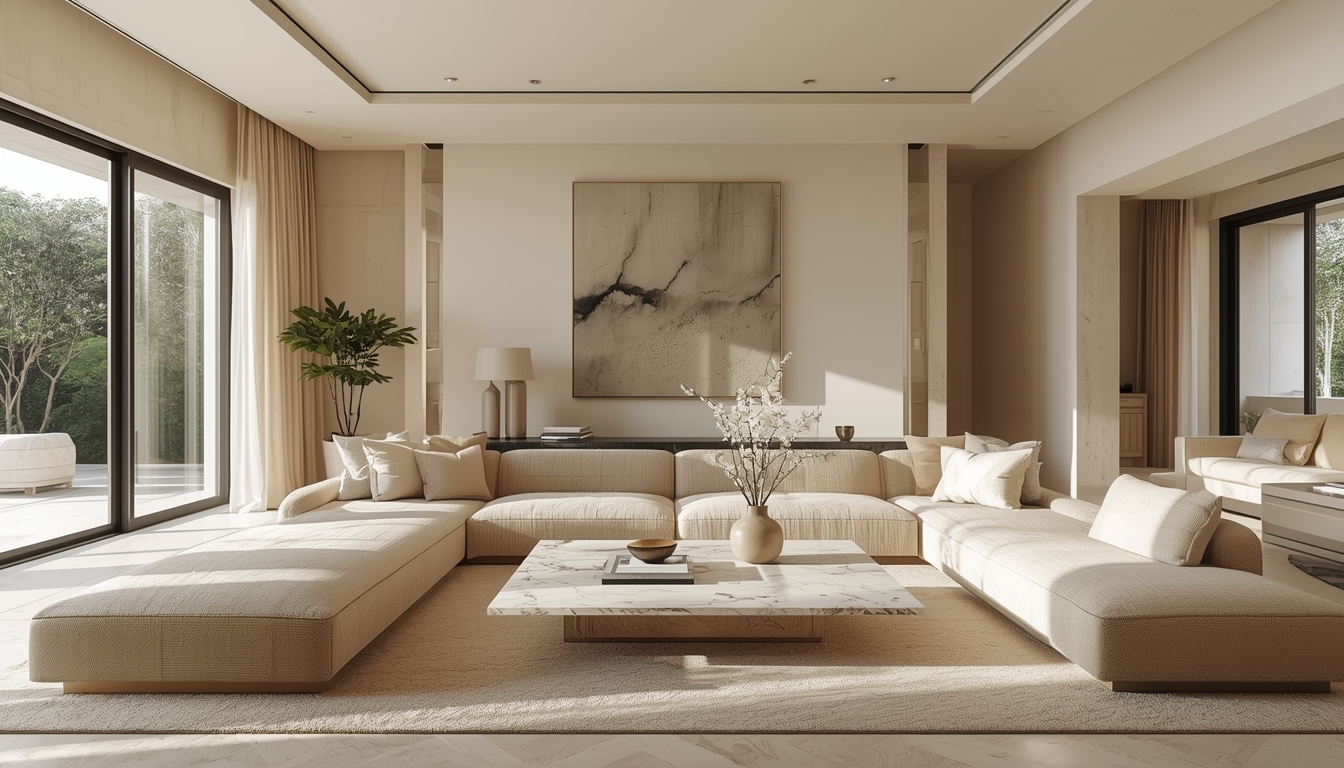
The current trend favors "warm neutrals" and "earthy desaturation," moving away from the stark, cold greys of previous years. Expect to see palettes built on mushroom, oatmeal, taupe, and terracotta, accented by deep, muted tones like olive green or charcoal.
When ordering from Foshan, color accuracy is a major risk. A "beige" sofa in a showroom might arrive as a "yellowish cream" if the specification is vague. We always insist on physical lab dips or fabric swatches being sent to the client for approval before the factory cuts a single meter of fabric. This is especially critical for large-scale orders where a slight shade shift across 20 different pieces can ruin the cohesion of a whole-house design.
How do I source custom curved furniture without quality issues?
Organic, curved shapes are central to the current aesthetic, but they are technically difficult to manufacture correctly. Unlike straight-edged furniture, curved pieces require precision in internal framing to prevent the upholstery from sagging or looking "lumpy" over time.
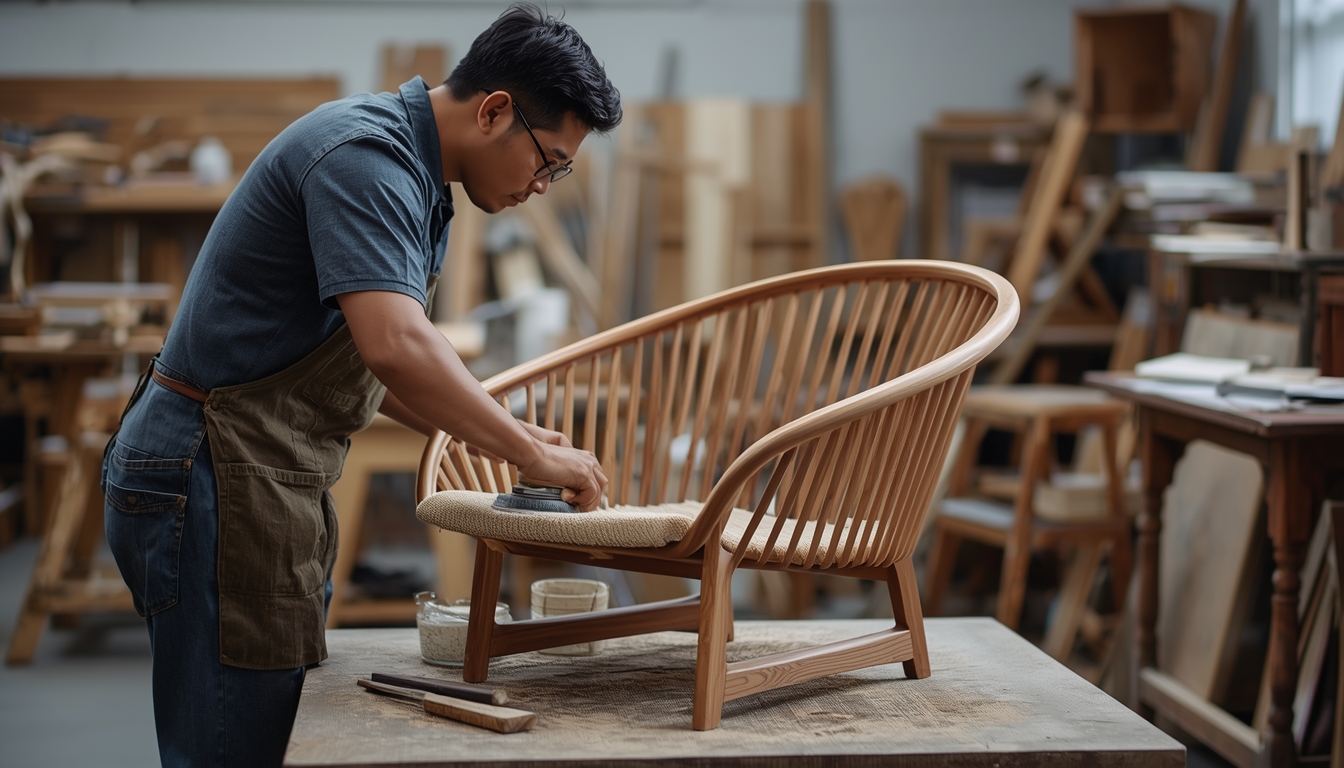
If you are looking for the "Italian-mould" look, be aware that many factories use fixed moulds for these shapes. This means you might not be able to resize the piece easily without a significant price increase. For the highest quality, we look for factories that use bentwood techniques or CNC-milled solid wood frames rather than just MDF covered in veneer, as the latter can struggle to maintain a smooth, continuous curve under tension.
Can I get the "designer look" with high-end materials?
Yes, but you must be specific about the "hidden" components that define luxury. A sofa may look like a Minotti piece, but if it uses low-density foam or generic hinges in the cabinetry, it will fail to meet the standard of a multi-million dollar home.
For example, when sourcing wardrobes or kitchen cabinetry, the "quiet luxury" feel comes from the soft-close movement and the weight of the doors. We specify brands like Blum or Hettich for all hardware. For leather, we look for full-grain hides that are 1.6mm to 2.0mm thick. If a supplier offers "Italian leather" at a price that seems too good to be true, it is likely a corrected grain or a split leather that will peel within years.
| Feature | Designer Showroom | Foshan Factory Direct |
|---|---|---|
| Material Quality | Premium/Certified | Custom Specified |
| Price Markup | 200% to 400% | Direct Cost + Sourcing |
| Customization | Limited/Expensive | Highly Flexible |
| Lead Times | 16–24 Weeks | 12–16 Weeks |
How do I avoid mistakes when ordering large volumes?
The biggest mistake in large-scale sourcing is the "sample vs. bulk" drift, where the prototype is perfect but the production run is inferior. This is where "writing everything down" becomes a legal necessity.
Every single item in your FF&E (Furniture, Fixtures, and Equipment) schedule must have a corresponding technical specification sheet. This includes the specific wood species, the exact RAL or Pantone colour code, the density of the foam (e.g., 35kg/m³ or higher), and the specific brand of internal spring or hardware. Without this, you are at the mercy of the factory's "standard" production, which is rarely the luxury standard you require.
The most expensive mistake you can make is assuming a factory understands "luxury"; you must define luxury through technical measurements and brand-name hardware.
Key takeaways
- Focus on tactile, matte textures like honed stone, bouclé, and heavy linen.
- Prioritize warm neutrals and earthy, desaturated tones over stark whites or greys.
- Specify high-density foams and premium hardware (like Blum) to ensure longevity.
- Always use technical specifications (weight, thickness, brand names) rather than adjectives.
- Verify leather quality by thickness (1.6mm+) and grain type (full-grain).
Questions buyers ask
Is it worth buying luxury furniture from China for my new home?
It is highly worth it if you are furnishing a whole house and want to avoid massive retail markups. By sourcing directly, you can often afford higher-grade materials (like solid walnut instead of veneer) for the same total budget you would spend on mid-range furniture at a local showroom.
How do I know if the leather is actually high quality?
Real luxury leather is measured by thickness and grain. Look for full-grain leather that is at least 1.4mm thick. If the price is significantly lower than the cost of genuine Italian hides, it is likely a bonded or heavily corrected leather that will not age well.
Will my custom furniture arrive on time for my move-in date?
Timing depends on your planning. You should account for 30–60 days of production, sea transit (2–4 weeks), and customs clearance. We recommend a 3–4 month window from deposit to door, and you should always plan around the Chinese New Year factory shutdowns.
How do I manage the risk of paying a factory deposit?
Never pay a deposit to a factory without a verified contract and a clear invoice. We recommend a structure of 40% for furniture and 50% for wardrobes, with the final balance paid only after a physical inspection has been completed and approved by our team in Foshan.
If you are planning a large-scale interior project, our team can manage the entire process from the first showroom visit in Lecong to the final container loading. We can help you build a complete furniture specification that ensures your vision is executed with precision.