
Learn how to handle damaged furniture imports from China, from pre-shipment inspections to insurance claims and factory compensations.
If your furniture from China arrives damaged, your ability to recover costs depends entirely on whether the damage was identified before the container was sealed. SVIKARR prevents most of these issues by conducting physical inspections at the factory to ensure every piece meets your specifications before it ever reaches the port.
Can I claim damages from the factory after the furniture is delivered?
You can only successfully claim damages from a Chinese factory if you have documented proof that the damage occurred during production or due to improper packing. Once the goods are cleared by customs and delivered to your home in the US or Australia, the factory will almost always deny responsibility, claiming the damage happened during sea transit or local unloading.
To protect yourself, we insist on a formal inspection before the final balance is paid. We take high-resolution photos of every item, specifically focusing on corners, joints, and upholstery, and we document the exact way items are crated. If we find a scratch on a marble tabletop during our inspection in China, we make the factory fix it or replace it before the balance is released. If you skip this step, you are essentially self-insuring against every broken leg or torn fabric that might arrive in your container.
Is shipping insurance enough to cover luxury furniture?
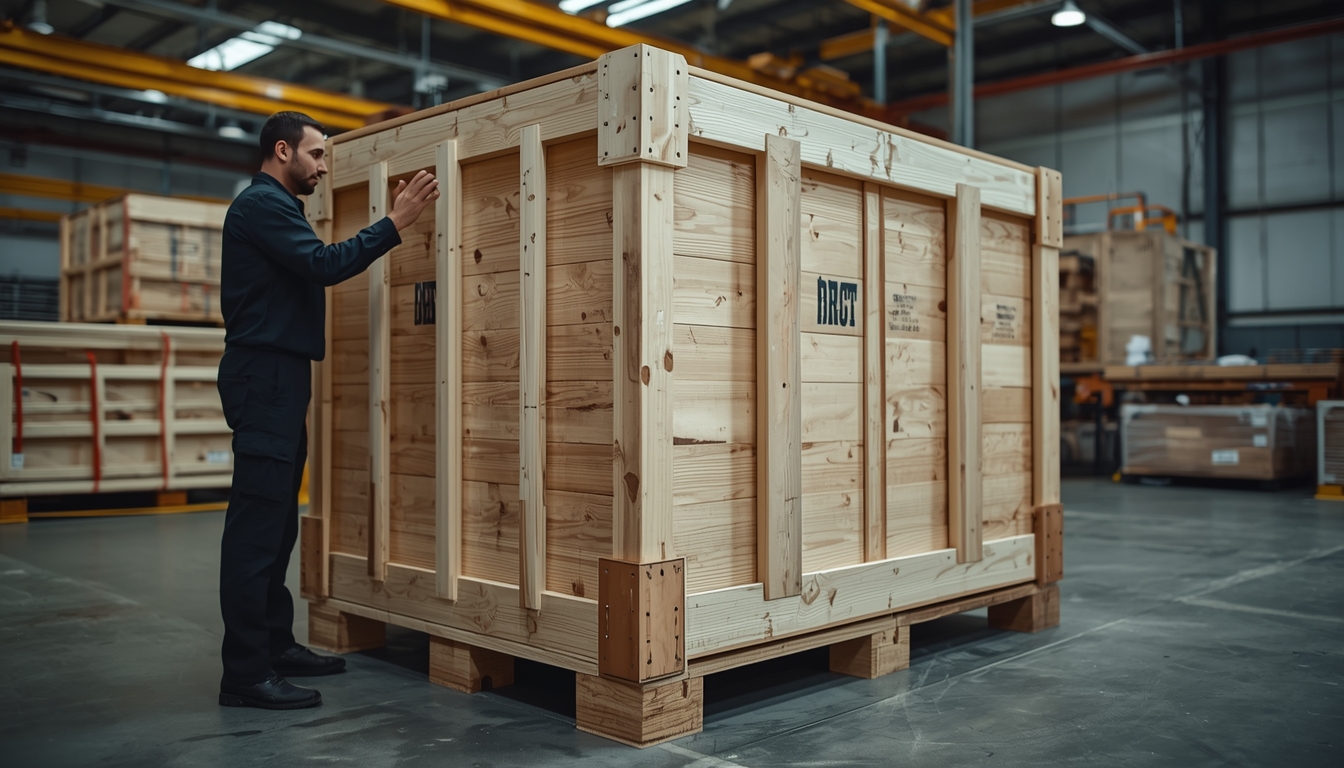
Shipping insurance is designed to cover "major maritime perils," such as a container falling overboard or significant water damage from a breached hull, but it rarely covers "concealed damage." Concealed damage refers to items that look fine on the outside of the crate but are shattered or dented inside due to poor internal bracing.
Most standard marine insurance policies require a "clean" Bill of Lading, meaning the carrier accepted the goods in good condition. If your furniture arrives damaged due to shifting inside the container, the shipping line will blame the shipper for poor loading, and the insurance company will blame the shipper for inadequate packing. This is why we emphasize professional crating for fragile items like stone, glass, and large lighting fixtures.
How do I prevent damage before the container is loaded?
Prevention happens in the factory and the warehouse, not on the ocean. The three most critical elements are material specification, structural integrity, and crating standards.
First, we ensure the factory uses the correct hardware. For example, we check that wardrobes use high-quality hinges like Blum rather than generic alternatives that can snap during transit vibrations. Second, we verify the thickness of protective materials. A common mistake is using thin bubble wrap when a piece requires custom-cut high-density foam and edge protectors. Third, we oversee the "blocking and bracing" inside the container. Large items must be secured so they cannot slide even if the ship encounters heavy weather.
When is buying furniture from China the wrong choice?
Buying from China is the wrong choice if your project has an extremely tight deadline or if you are ordering small, individual items that do not justify the shipping and inspection costs.
If you need a single replacement chair for a broken one in a Texas living room by next week, do not order from Foshan. The lead times for production (30-60 days), sea transit (2-4 weeks), and customs clearance mean you are looking at a 3-4 month window for a full-house order. Additionally, avoid ordering highly specialized appliances or electronics that require local manufacturer warranties and immediate technical support. For those items, buying locally is much safer.
| Feature | Professional Sourcing (SVIKARR) | DIY Sourcing |
|---|---|---|
| Damage Prevention | Pre-shipment inspection | None |
| Packing Oversight | Verified crating standards | Left to factory |
| Dispute Support | We manage factory claims | You handle alone |
| Risk Level | Low (documented) | High (unverified) |
What are the most common types of damage in imports?
The most frequent issues we see are corner impacts on wooden furniture, scratches on stone surfaces, and "bruising" on leather. Leather is particularly sensitive; if it isn't stored in a climate-controlled environment or is packed too tightly against hard edges, it can develop permanent creases or marks.
We also see "structural drift" where a piece is built to the right dimensions but the internal frame is weak, causing it to wobble once it is fully assembled in your home. This is why we check the internal joinery and the density of the foam during our inspections. If you are sourcing stone, such as marble and sintered stone from Foshan, we specifically check for hairline fractures that could expand during the temperature changes of sea transit.
Most furniture damage is not caused by the ocean, but by the factory's failure to use adequate foam density and corner protection during the packing stage.
Key takeaways
- Damages discovered after delivery are nearly impossible to claim from Chinese factories.
- Pre-shipment inspections are the only way to ensure you aren't paying for broken goods.
- Marine insurance often excludes "concealed damage" caused by poor internal packing.
- Proper crating, high-density foam, and corner protectors are non-negotiable for luxury items.
- Always verify hardware brands and material thicknesses in your written specifications to ensure structural strength.
Questions buyers ask
What should I do immediately if a crate arrives damaged?
Do not sign the delivery receipt until you have noted the damage on the driver's paperwork. Take high-resolution photos of the external crate before opening it, and then take photos of the damage to the furniture itself. This documentation is vital for both insurance claims and any potential disputes with your shipping agent.
Does the cost of insurance outweigh the risk?
For a full-house project, marine insurance is a mandatory expense, not an optional one. While it adds a small percentage to your landed cost, it is the only way to protect your investment against major maritime accidents. We recommend insuring the full declared value of the goods.
Can I ask the factory to send replacement parts instead of the whole item?
Yes, for non-structural damage like a broken drawer handle or a damaged lamp shade, asking for replacement parts is often faster and cheaper. However, if the damage is to the frame, the upholstery, or a large stone slab, a replacement part is rarely sufficient, and you should insist on a replacement of the entire unit.
Our team in Foshan handles the heavy lifting of quality control by being on the ground when it matters most. We visit the factories, inspect the goods, and ensure everything is packed to survive the journey to your door.