Learn how to prevent material substitutions in China. We explain the importance of written specifications, physical samples, and on-site inspections.
You stop material switching by moving from verbal agreements to a rigid, written production specification and conducting mandatory on-site inspections before the balance is paid. At SVIKARR, we prevent these "silent substitutions" by verifying every single component, from the thickness of the leather to the brand of the drawer slides, against your approved sample before a single crate is loaded onto a container.
Why do factories switch materials?
Factories often switch materials to protect their profit margins if the cost of raw materials rises or if they run into supply chain shortages. If you ordered a specific Italian leather but the shipment is delayed, a factory might try to substitute it with a lower-grade leather that looks similar to the naked eye but lacks the same breathability and durability.
This is why "too-good-to-be-true" prices are a major red flag. If a quote is significantly lower than the market rate for the specified materials, the factory has likely already planned where they will cut corners.
How do I create a foolproof production specification?
A foolproof specification replaces vague adjectives with hard, measurable facts. You cannot simply write "high-quality leather" or "solid wood"; you must specify "1.4mm full-grain Italian leather" or "25mm thick solid American Walnut with a matte oil finish."
Every single element of the piece needs a line item:
- Upholstery: Material type, thickness (mm), color code, and abrasion resistance (Martindale rating).
- Internal Structure: Wood species (e.g., kiln-dried beech), plywood grade, and foam density (e.g., 35kg/m³ high-resilience foam).
- Hardware: Exact brand and model numbers (e.g., Blum soft-close hinges, Hettich drawer runners).
- Finishes: Specific RAL or Pantone codes for painted surfaces or specific stain names for wood.
Without this document, the factory is essentially working from a "suggestion" rather than a contract. We recommend using a production specification guide to ensure no detail is missed.
Is a physical sample enough to protect me?
A physical sample is your most powerful tool, but it is only half of the solution. You must keep the physical sample (often called a "golden sample") in a safe place and require the factory to produce the bulk order to match that exact specimen.
When we visit showrooms in the Louvre or Sunlink North, we don't just look at the finished piece. We look at the underside, the joinery, and the internal frame. If you are ordering custom pieces, we often insist that the factory produces a "pre-production sample" of one item for your approval before they start the full run. This is especially critical for Italian-mould sofas, where the size and shape are fixed by the mould and cannot be easily adjusted later.
When is buying from China the wrong choice?
Buying from China is the wrong choice if your project has an extremely tight deadline or if you are ordering small quantities of items that require local warranties.
If you need a dining set in three weeks to host a housewarming party, do not order from Foshan. Between production (30-60 days), sea transit (2-4 weeks), and customs clearance, you should plan for a 3-4 month window from deposit to delivery. Additionally, for items like appliances or complex electronic lighting that require immediate local technical support, buying locally is often safer to avoid the headache of international returns.
How can I verify materials without being there?
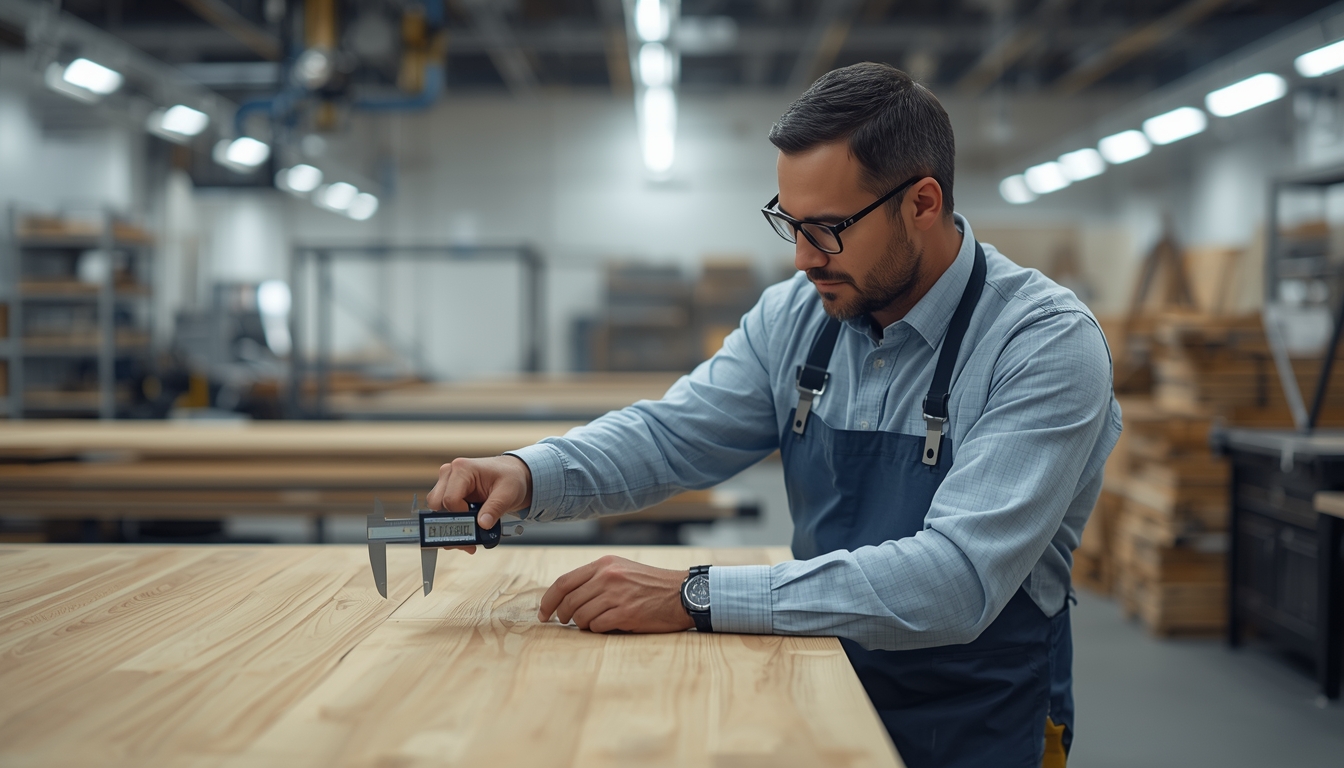
Verification requires a multi-layered approach that combines documentation, photography, and third-party presence. You cannot rely on a factory sending you "happy" photos of the finished product; those photos often hide the very substitutions you are worried about.
| Feature | Low-End/Risk | Luxury/SVIKARR Standard |
|---|---|---|
| Leather | "Italian style" | 1.2mm+ Full-grain |
| Hardware | Generic/Unbranded | Blum, Hettich, or Grass |
| Wood | MDF or Plywood | Kiln-dried Solid Wood |
| Foam | Low density | High-resilience (35kg+) |
| Inspection | Self-reported | Third-party on-site |
The most dangerous moment in sourcing is the window between "production finished" and "balance paid." Never release the final payment until an inspection has confirmed the materials match your specification.
What are the most common material "swaps"?
The most frequent substitutions occur in areas that are difficult for a client to see once the furniture is in a home.
- The "Plywood to MDF" switch: A table might look solid, but the internal structure has been swapped from high-grade plywood to cheaper MDF to save costs.
- The Foam Density drop: A sofa may feel soft initially, but if the factory used low-density foam instead of the specified high-resilience foam, it will sag within six months.
- The Hardware downgrade: Using generic hinges instead of the Blum or Hettich hardware you specified.
- The Leather deception: Replacing expensive full-grain leather with "corrected grain" or even high-quality bonded leather. Real Italian leather is roughly 3-4 times more expensive and should be inspected for thickness (ideally 1.0-1.6mm) during production.
Key takeaways
- Specifications are everything: Replace adjectives with measurements, brands, and codes.
- The Golden Sample: Use a physical sample as the benchmark for the entire order.
- Inspect before paying: The final balance should only be paid after an on-site verification of materials.
- Avoid "Too Good" prices: Extreme discounts usually signal a plan for material substitution.
- Plan for time: Allow 3-4 months for the full cycle to avoid rush-induced mistakes.
Questions buyers ask
How do I know if the leather is actually Italian?
If the price seems too low, it likely isn't. Real Italian leather is sold by the hide and is significantly more expensive than artificial or corrected leathers. We check the thickness (1.0mm to 2.0mm) and the pore structure at the factory to ensure it is true full-grain.
What if the factory says they ran out of my specified fabric?
This is a common tactic to force a substitution. Your contract should state that no substitutions are allowed without written approval from the buyer. If a substitution is necessary, you should be entitled to a price reduction or the right to cancel that item.
Do I need to hire a professional inspector?
For a whole-house project involving high-value items, yes. An inspector knows how to check for things you can't see, such as the internal frame construction, the type of glue used, and the quality of the joinery.
We help you navigate these complexities by acting as your eyes and ears on the ground in Foshan. Our team visits the factories, writes the technical specifications, and performs rigorous inspections to ensure that what you ordered is exactly what arrives at your door.